Table of Contents
Yongsan-gu sanitation workers removed dozens of fan-made dolls and letters from railings outside HYBE headquarters in Seoul this month, after local residents filed repeated complaints. The decorations, nicknamed “rat jerky dolls,” had covered the site for months. The cleanup has reignited debate over where fan devotion should stop and shared public space begins.
Have you ever walked past a fence covered in stuffed animals and wondered who put them there?
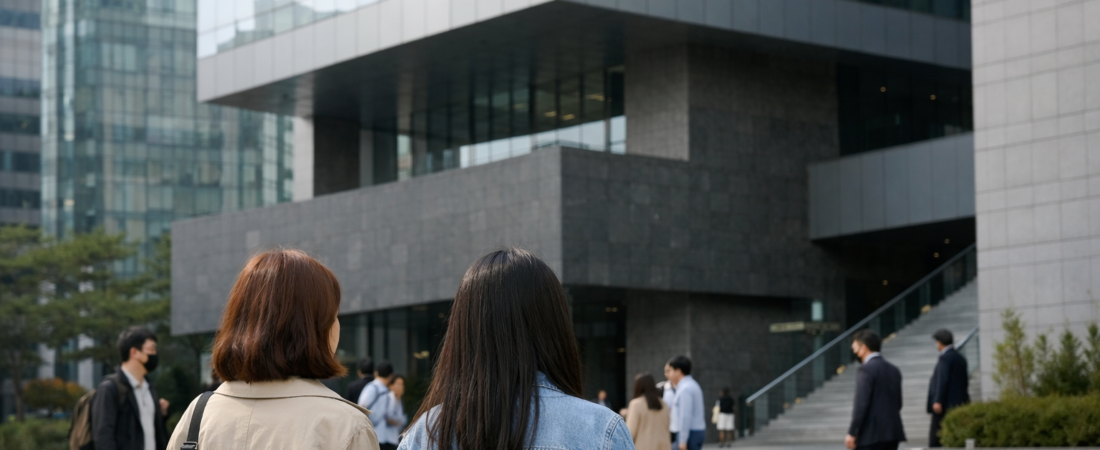
Outside HYBE’s building in Yongsan, that question became a daily reality for neighbors. Fans left dolls, handwritten letters, and small trinkets on the pedestrian railings near the entrance. Over time, the display grew so large that it blocked sightlines and, according to some residents, made the sidewalk feel cluttered and unsafe.
What Happened Outside HYBE Headquarters
The scene near HYBE headquarters had quietly built up over several months. Fans, many devoted to artists under the HYBE label, began attaching plush toys and notes to the railings as tokens of affection. It started small, but it did not stay that way.
By summer, the railings were nearly covered edge to edge. Local reports describe the items ranging from handmade dolls to laminated photos and ribbons. Residents living nearby said the display made the area harder to navigate, especially for elderly pedestrians and parents with strollers.
Eventually, the Yongsan-gu Office stepped in. Sanitation workers cleared the railings after fielding a string of complaints. HYBE itself did not initiate the removal, which raises an interesting question: should a company be responsible for cleaning up gestures of love it never asked for?
That question does not have an easy answer. But it does explain why this small local dispute has become a bigger cultural conversation.
Fan Culture and Public Space Collide
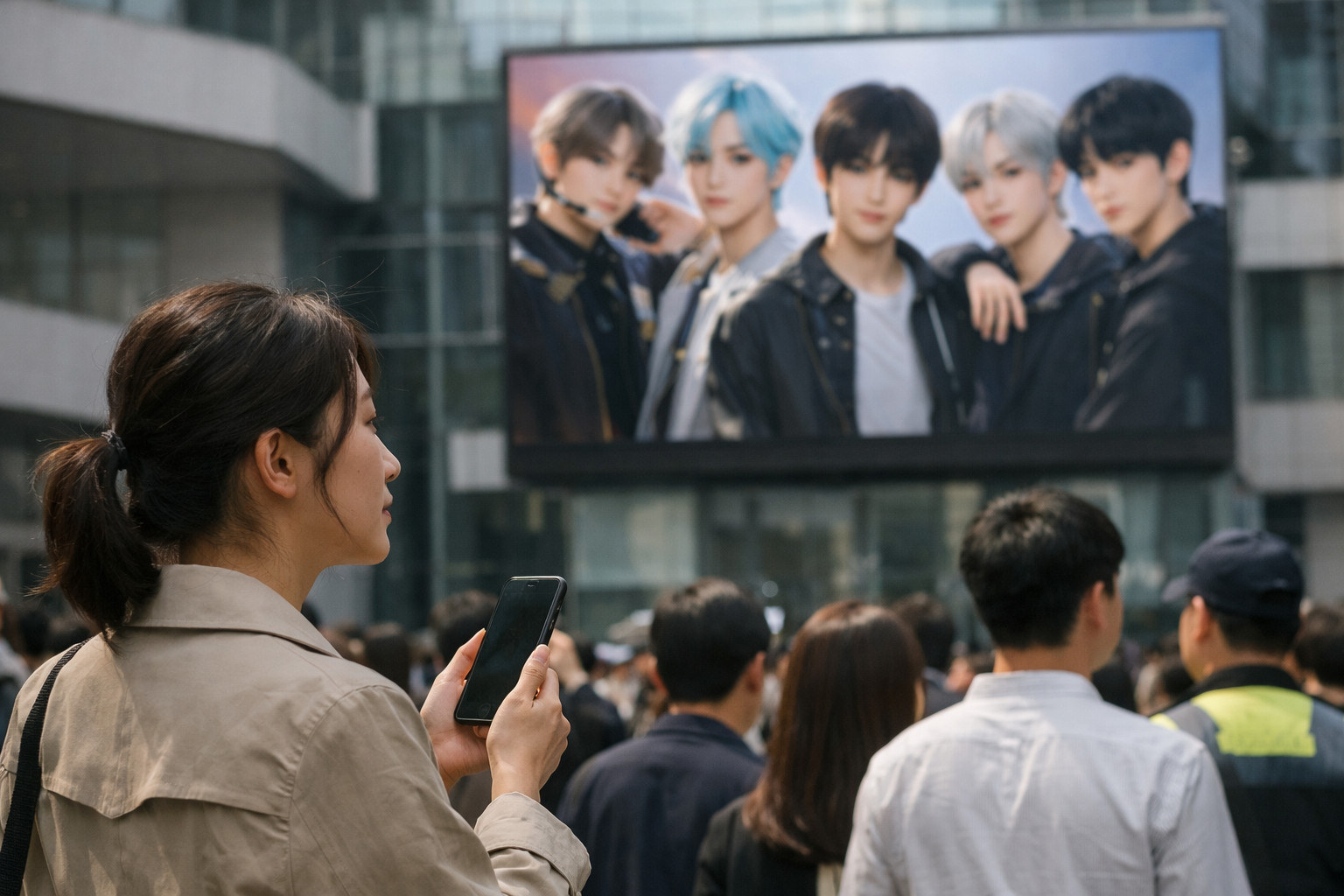
K-pop fan culture has always found creative ways to express devotion. Fans line up outside broadcast studios, send coffee trucks to filming sets, and organize massive birthday projects for their favorite idols. This is not new behavior—it is part of what makes K-pop fandom so visible and energetic worldwide.
But public railings are different from a fan cafe or an online fan page. They belong to everyone, not just the people who decorate them. Once shared space starts feeling occupied by one group’s interests, tension with other space is almost inevitable.
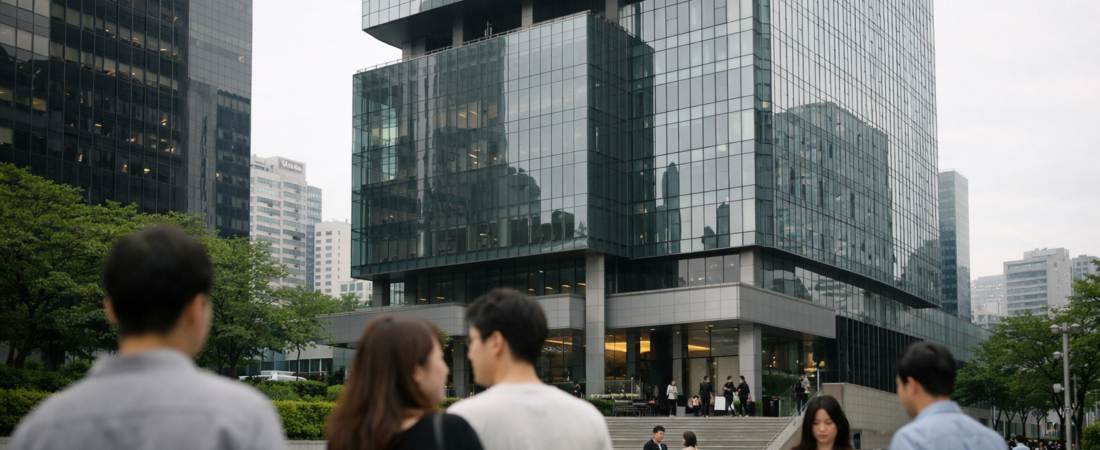
Seoul’s Yongsan district is not just home to HYBE. It is also a residential neighborhood where people commute, walk children to school, and run daily errands. Imagine trying to get your morning coffee past a wall of stuffed toys every single day—charming at first, exhausting by week three.
This is where the debate sharpens. Is decorating public railings a harmless form of fan expression, or does it cross into public nuisance once it affects other people’s daily lives? The Korea Herald reporting suggests local officials ultimately sided with the residents’ complaints.
Why HYBE Faces a Tricky Balancing Act

HYBE did not ask fans to decorate its railings, yet the company still finds itself at the center of this dispute. That is the nature of running a headquarters that also functions as a pilgrimage site for millions of fans. Any building housing globally popular artists becomes a magnet for devotion, whether the company wants it or not.
HYBE has strong incentive to keep fans engaged and loyal. Fan enthusiasm drives album sales, concert tickets, and merchandise revenue across its roster of artists. But that same enthusiasm, when it spills into public infrastructure, can create friction with the very city that hosts the company.
So what should HYBE do here? Some fans argue the company should designate an official space for fan tributes, separate from public railings. Others say enforcement should stay with local government, since HYBE cannot police every sidewalk near its building.
Either way, HYBE’s brand reputation is now tied to how this plays out. A company known for global influence in music also has to manage very local, very human concerns about sidewalks and shared space.
What Comes Next for K-pop Fan Etiquette
This incident may become a small case study for how Korean cities handle fan culture going forward. Seoul has hosted K-pop headquarters for over a decade, and similar tensions have surfaced before near other agency buildings. But the scale of HYBE’s global fanbase makes this particular dispute more visible than most.
Fan devotion says something good about human connection. People form real bonds with music and artists, and expressing that bond through small gifts and letters reflects genuine warmth, not empty obsession.
At the same time, that same warmth can turn into pressure on the people who live nearby, especially when personal expression spreads across space meant for everyone. Real care for an artist does not require occupying a neighbor’s daily walking path, and the healthiest fan communities tend to find ways to celebrate without crowding others out. Perhaps the answer lies in agencies designating small, official tribute spaces, giving fans a proper outlet while keeping public sidewalks open for everyone.
Some fan communities elsewhere have already tried this model, setting up rotating fan cafes or temporary tribute walls instead of permanent street displays. If HYBE and Yongsan-gu can find a similar middle ground, this could become a helpful precedent rather than just a cleanup story.
K-pop fandom is not going anywhere, and neither is the need for shared public space. The real challenge is designing solutions that respect both. What do you think HYBE and city officials should do the next time fan devotion meets a public sidewalk?
AI-Generated Photorealistic Image — All people, scenes, and details in this image are entirely AI-generated and fictional. Not a real photograph of an actual person or event. 이 이미지는 AI로 생성된 가상 이미지입니다.



Leave a Reply