Table of Contents
Can one scandal stop a major police reform in its tracks? In Korea, it just did.
The jachi gyeongchalje, or autonomous police system, was supposed to expand under President Lee Jae-myung’s administration this year. But the Jang Yoon-gi case shook public confidence in law enforcement so badly that the whole timeline is now under review.
Let’s break down what happened, why it matters, and what it tells us about trust in Korean institutions.
The Jang Yoon-gi Case and a Crisis of Trust
Trust in police doesn’t disappear overnight. It erodes slowly, then collapses all at once.
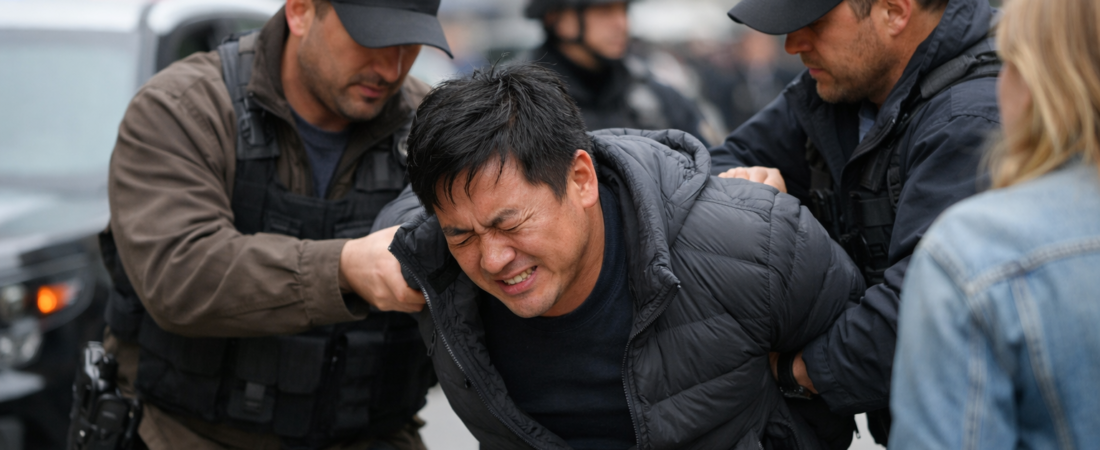
That’s what happened after the Jang Yoon-gi case became public. The details struck a nerve with ordinary citizens, raising uncomfortable questions about accountability inside Korea’s police force.
Once that kind of doubt spreads, it doesn’t stay contained to one incident. It bleeds into every conversation about police reform, including the debate over jachi gyeongchalje.
Why does one case carry so much weight? Because reform plans depend on public confidence to succeed.
If citizens don’t trust the police as they currently operate, why would they trust a decentralized version with more local control? That’s the exact question Korean policymakers are now wrestling with.
The government has to answer it before moving forward. Otherwise, any expansion of jachi gyeongchalje risks losing legitimacy before it even starts.
What Is Jachi Gyeongchalje, Anyway?
For readers outside Korea, the term jachi gyeongchalje might sound unfamiliar. Simply put, it means “autonomous police system.”
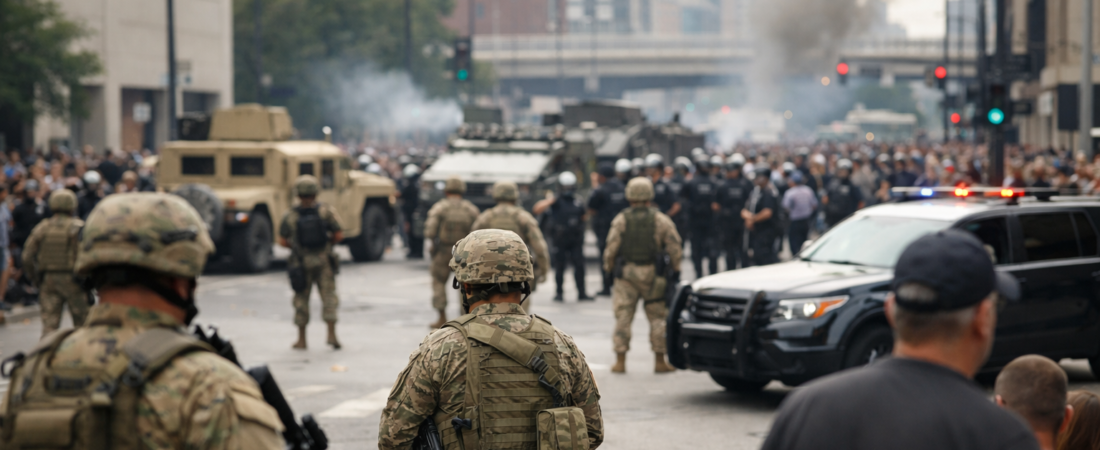
Under this model, local governments gain more authority over everyday policing. Traffic control, community safety, and minor crime response shift from central control to regional hands.
Korea has traditionally run a centralized police force. The National Police Agency in Seoul has held most authority since the modern police system was established after the Korean War.
Jachi gyeongchalje was designed to change that. It aimed to give provinces and cities more say over local law enforcement priorities, similar to models used in the United States or parts of Europe.
The logic made sense on paper. Local officials often understand community needs better than a distant national headquarters ever could.
A police response in rural Gangwon Province looks different from one needed in downtown Seoul. Shouldn’t local authorities have more say in shaping that response?
That’s the promise behind jachi gyeongchalje. But promises and execution are two very different things.
Pilot programs for jachi gyeongchalje began years ago, testing the waters before nationwide rollout. President Lee Jae-myung’s government had planned to accelerate that rollout this year, moving from limited trials toward full implementation.
That plan is now on pause. For more background on how Korea’s police governance evolved, readers can check reporting from Korea JoongAng Daily.
Why President Lee Jae-myung Hit the Brakes

Timing matters in politics. And the timing here couldn’t have been worse for reform advocates.
Just as the government prepared to expand jachi gyeongchalje, the Jang Yoon-gi case dominated headlines. Public anger toward police grew louder by the week.
President Lee Jae-myung reportedly ordered his administration to slow down. Rather than pushing forward with the original schedule for pilot programs and full implementation, officials were told to reassess.
Why take this cautious approach instead of pressing ahead? Because rushing a reform during a trust crisis can backfire badly.
Imagine handing more police authority to local governments right when citizens question police judgment nationwide. That combination could deepen distrust rather than ease it.
President Lee Jae-myung’s government seems to understand this risk clearly. Slowing the jachi gyeongchalje timeline isn’t necessarily abandoning the reform.
It’s buying time to address underlying problems first. Trust has to come before structural change, not after.
This mirrors a familiar pattern in Korean governance. Major institutional reforms often stall when public confidence dips, only to resume once conditions stabilize.
Consider how contentious reforms unfold elsewhere. Governments frequently choose delay over risking public backlash tied to unrelated scandals.
Korea’s handling of jachi gyeongchalje now follows that same cautious playbook. The administration wants to avoid tying a structural reform to a single controversial incident.
That’s a reasonable political calculation. But it also means uncertainty for provinces that already invested resources into pilot programs.
What Happens Next for Jachi Gyeongchalje
So where does jachi gyeongchalje go from here? The government says it will gather more input before deciding.
Officials plan to collect opinions from both ordinary citizens and frontline police officers. That’s a notable shift from top-down policymaking toward a more consultative approach.
Why involve field officers directly? Because they understand operational risks that policymakers in Seoul might overlook.
Frontline police deal with jurisdictional confusion, resource gaps, and coordination problems every single day. Their feedback could shape a more workable version of jachi gyeongchalje going forward.
This process will likely take months, not weeks. Korea’s government wants to avoid repeating past reform mistakes where policy moved faster than public readiness.
Meanwhile, the Jang Yoon-gi case continues casting a long shadow over police credibility. Any renewed push for jachi gyeongchalje will have to address that credibility gap directly.
What would rebuilding that trust actually require? Likely stronger accountability mechanisms, clearer oversight structures, and visible consequences for misconduct.
Without those elements, expanding jachi gyeongchalje risks repeating the same trust problems on a larger, more localized scale. President Lee Jae-myung’s administration appears to recognize this connection.
Slowing down isn’t weakness here. It’s an acknowledgment that structural reform needs a stable foundation of public confidence first.
For international observers, this moment offers a valuable lesson. Even well-designed reforms like jachi gyeongchalje can stall when institutional trust collapses unexpectedly.
Korea isn’t alone in facing this challenge. Countries worldwide struggle to balance decentralization with accountability in policing.
What makes Korea’s case interesting is the direct political response. President Lee Jae-myung didn’t ignore public anger; he adjusted policy timelines because of it.
That responsiveness says something about Korean democratic governance today. Citizens’ concerns translated quickly into concrete policy delay, not just rhetorical sympathy.
Looking ahead, expect renewed debate once the government completes its consultation process. Jachi gyeongchalje will likely return to the agenda, but probably in a revised form.
The core question remains unchanged: can local police authority coexist with strong public trust? Korea’s answer to that question will shape law enforcement for years to come.
What do you think about Korea’s decision to slow down its jachi gyeongchalje expansion after this scandal?
AI-Generated Photorealistic Image — All people, scenes, and details in this image are entirely AI-generated and fictional. Not a real photograph of an actual person or event. 이 이미지는 AI로 생성된 가상 이미지입니다.


Leave a Reply