Table of Contents
Can a foreign rock band say something true about K-pop that Koreans can’t say themselves? That question is worth sitting with. It gets at something bigger than one festival performance.
At the Incheon Pentaport Rock Festival, British band Massive Attack covered Seo Taiji and Boys’ classic “Regret of the Times.” The message was hard to miss. K-pop, they seemed to argue, has drifted from rebellion into a polished commercial machine.
A British Band Stirs Up a Korean Debate
Massive Attack didn’t just play a song. They used the stage and social media to make a pointed claim about the K-pop industry. Was this fan service for a Korean crowd? That explanation falls apart fast.
The band repeated the exact same message during shows in Japan and Sweden. That consistency matters. It tells you this wasn’t a one-off gesture aimed at Korean fans, but a deliberate international statement about capitalism, censorship, and the direction K-pop has taken.
Their performance also included footage of the 1980 Gwangju Uprising, a pro-democracy movement met with brutal military crackdown. Some viewers called this inclusion overtly “political.” But is separating art from politics ever really possible, especially in a country shaped by decades of authoritarian rule?
Seo Taiji and the Original Fight Against Censorship
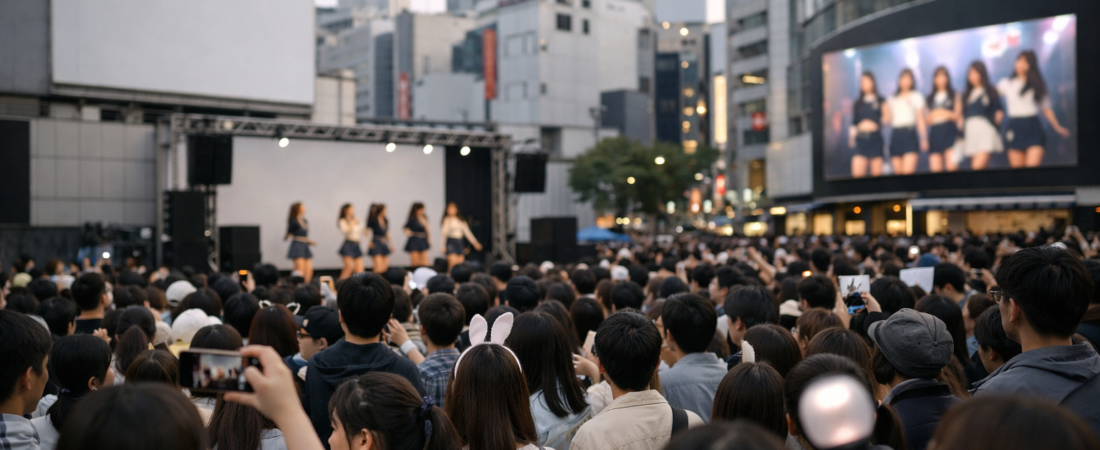
To understand why this cover hit a nerve, you need to know the history behind it. Seo Taiji and Boys were not a manufactured idol group. They were disruptors who challenged Korea’s Public Performance Ethics Committee thirty years ago.
That committee objected to their lyrics, treating musical expression as a threat requiring state approval. Seo Taiji fought back, and in doing so, helped open space for artistic freedom in Korean pop culture. This history isn’t a footnote — it’s the foundation K-pop was built on.
Now compare that era to today’s industry. Trainees debut through tightly managed systems. Concepts, choreography, and even personal image are often shaped by agencies rather than artists themselves. The parallel to the Gwangju footage controversy is almost too neat: Korea is again debating who gets to decide what counts as acceptable expression.
Is K-pop Just a Corporate Product?
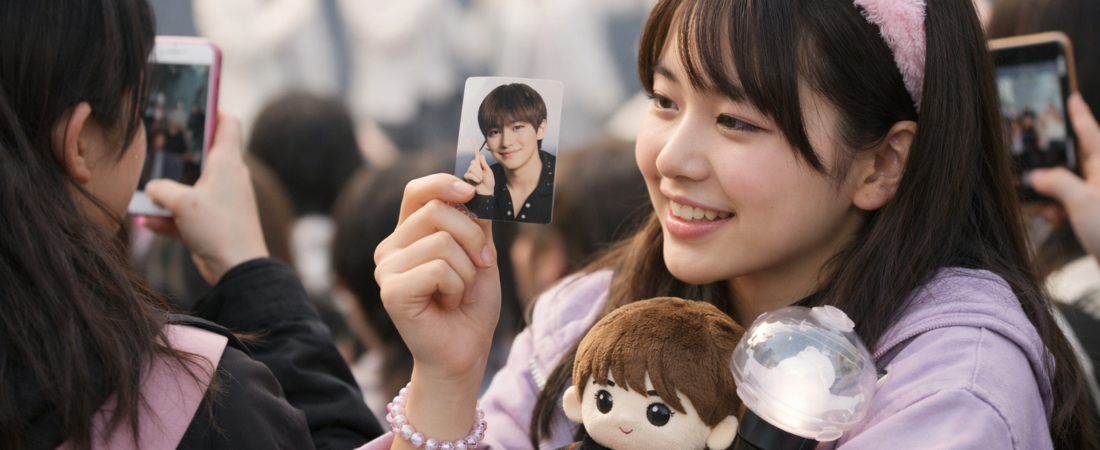
Here’s the uncomfortable question at the center of this whole controversy: has K-pop become just a corporate product, stripped of the resistance that once defined it? It’s tempting to answer with a simple yes or no. But the reality is more layered than that.
Global entertainment agencies do run K-pop like a business — training systems, marketing calendars, brand partnerships, the works. You could call it an industry that treats artists like products on an assembly line (though the packaging is, admittedly, very well designed). That commercial precision helped K-pop reach stadiums in Los Angeles, Paris, and São Paulo.
Yet inside that system, some artists still push back. You see it in lyrics addressing mental health, agency lawsuits over unfair contracts, and idols speaking publicly about creative control. The commercialization critique is fair, but it’s not the whole story. For more context on how this debate is unfolding in Korean media, see Korea Times.
So which is it — art or product? Maybe that’s the wrong question entirely. Maybe K-pop today holds both truths at once, commercial machine and creative outlet, tangled together in ways that resist easy separation.
What This Means for K-pop’s Future
Where does K-pop go from here? That depends on whether the industry can hold space for both profit and genuine artistic voice. The two aren’t automatically enemies, but they do require constant, honest negotiation.
It’s easy to romanticize Seo Taiji’s era as pure rebellion and dismiss today’s K-pop as pure product. That comparison isn’t quite fair to either side. Seo Taiji fought censorship from the state; today’s tensions involve corporate structures, global fan expectations, and algorithm-driven visibility — different pressures requiring different kinds of courage.
What gives me hope is that the conversation Massive Attack sparked hasn’t been shut down. Korean fans, critics, and even industry insiders are debating it openly online and in festival crowds. That kind of open friction, uncomfortable as it is, tends to be healthier than silence — it’s often how creative industries stay honest with themselves over time.
K-pop’s global reach is undeniable, and so is the tension baked into its success. Younger artists inside the system are already finding ways to speak more freely than their predecessors could, even within commercial constraints. Growth, it turns out, doesn’t require choosing one truth over the other.
K-pop stands at an interesting crossroads right now, caught between its rebellious roots and its global business model. Will the industry find room for more artists to speak as boldly as Seo Taiji once did? What do you think — can K-pop still surprise us, or has the machine already won?
AI-Generated Photorealistic Image — All people, scenes, and details in this image are entirely AI-generated and fictional. Not a real photograph of an actual person or event. 이 이미지는 AI로 생성된 가상 이미지입니다.

Leave a Reply