Table of Contents
Kim Seung-won, South Korea’s Justice Minister nominee, changed his explanation three times about a photo with a broker. Independent lawmaker Han Dong-hoon called it a “shameless lie,” citing a phone call transcript. The dispute now threatens to derail Kim Seung-won’s confirmation process entirely.
Confirmation hearings are supposed to clear up doubts, not create new ones. So why does this story keep getting messier instead of simpler? Let’s walk through what actually happened.
What Happened to Kim Seung-won
Kim Seung-won is nominated to lead South Korea’s Ministry of Justice. Before he can take office, he faces questions about a broker named Yang and a judge identified only as Jung. A photo from February 2022 shows all three together.
That alone might not raise eyebrows. But Kim Seung-won is also facing separate allegations tied to a fast-tracked COVID-19 drug trial approval. Together, these two threads have turned his confirmation hearing into a genuine political storm.
Confirmation hearings in Korea often become public trust tests, not just policy reviews. Citizens want to know if their future top law enforcement official tells the truth under pressure. That question is exactly what’s at stake here.
The Photo, the Phone Call, and the Shifting Story
On September 4, Kim Seung-won’s team offered a simple explanation for the 2022 photo. They said he and broker Yang “happened to run into each other” that day. Case closed, or so it seemed.
Then Han Dong-hoon posted what he claimed was a transcript of a phone call between Kim Seung-won and Yang from that same day. According to the transcript, Yang asked, “I’m coming now, where are you?” Kim Seung-won reportedly replied, “Yeouido.”
Yang then allegedly said he was in Hanam and would arrive in an hour, asking for the address. Kim Seung-won supposedly answered, “Sure, I’ll be here.” That is not a chance encounter. That sounds like a planned meeting.
Facing this pressure, Kim Seung-won’s camp revised its story. They said the explanation had been “insufficient” because it relied on memory, and described the meeting as “sudden” rather than coincidental. Notice the shift in language here — from “happened to run into” to merely “sudden.”
Then things got more complicated. Kim Seung-won’s team had also claimed no contact with Yang since 2022. A new photo surfaced showing them together at an event in 2023, forcing yet another revision: this time, another “chance encounter” at a local district event.
Three explanations in a matter of days is a lot for one photo. Doesn’t that pattern itself raise more questions than any single photo could?
Han Dong-hoon’s Sharp Rebuke
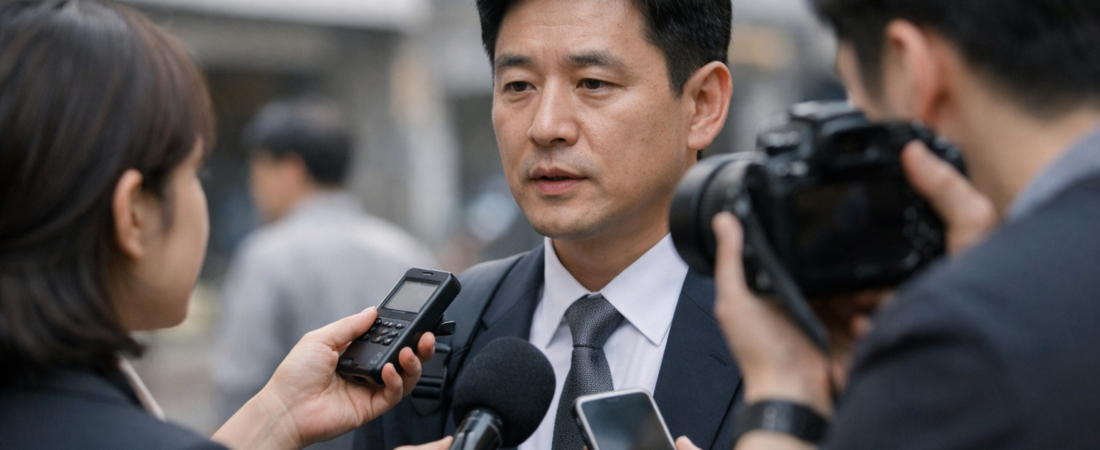
Han Dong-hoon, now serving as an independent lawmaker, did not hold back. He called Kim Seung-won’s original explanation a “shameless lie” and used the alleged transcript as his primary evidence. Whether or not you find his tone harsh, his argument is straightforward.
A planned phone call arranging a meeting location is fundamentally different from an unplanned encounter. If the transcript is accurate, Kim Seung-won’s first explanation simply does not hold up. This is the core of Han Dong-hoon’s political attack.
You can read more background on the broader confirmation dispute through SBS News, which has been tracking the story closely. Korean political reporting often moves fast during confirmation season (imagine a courtroom drama where every witness changes their testimony overnight). That pace is exactly what makes fact-checking so important right now.
Political rivals accusing each other of dishonesty is nothing new in Korean politics. But when a transcript is placed directly against an official’s public statement, the stakes rise sharply. Kim Seung-won’s team now has to explain not just the meeting itself, but why their story kept changing.
The Drug Approval Controversy Deepens
Separately, Kim Seung-won faces allegations that he lobbied Korea’s Ministry of Food and Drug Safety for faster approval of a COVID-19 drug trial plan. Ruling People Power Party lawmaker Han Ji-a claims the drug, made by Genensel, received approval in just 33 days. That is roughly twice as fast as the average timeline, according to her allegation.
Kim Seung-won’s side pushed back with its own numbers. They argue that once you subtract the time companies spend fixing paperwork issues, the actual review period for Genensel was 11 days. Under that same standard, they claim, the average review actually took longer, not shorter.
Whose math is right here? That’s a fair question, and it’s one that likely requires an independent audit of the ministry’s internal records rather than dueling press releases. Numbers alone won’t settle a dispute over intent and influence.
What makes this case harder to untangle is that both allegations — the photo and the drug approval — feed into the same underlying question. Did Kim Seung-won use personal connections to bend official processes in his favor? That question deserves a clear answer, but clear answers are rarely quick in Korean political disputes.
It’s worth remembering that confirmation hearings exist precisely because trust in public office cannot be assumed. Institutions built to check power sometimes move slowly, and public frustration with that slowness is understandable and valid. At the same time, the fact that lawmakers, journalists, and citizens keep pressing for consistent answers shows the system is still doing its job, imperfectly but persistently.
No single official embodies an entire justice system, and no single scandal defines an entire government. What matters is whether accountability mechanisms — hearings, transcripts, cross-party scrutiny — actually function when tested. That tension between frustration and functioning process is where real democratic maturity gets built.
Kim Seung-won’s confirmation process is far from over, and more documents or testimony could still emerge. For now, the shifting explanations have done more damage to his credibility than any single allegation on its own. Trust, once questioned publicly, is hard to rebuild through revised statements alone.
What do you think happens when public officials change their story multiple times under pressure? Does that pattern matter more to you than the original allegation itself?
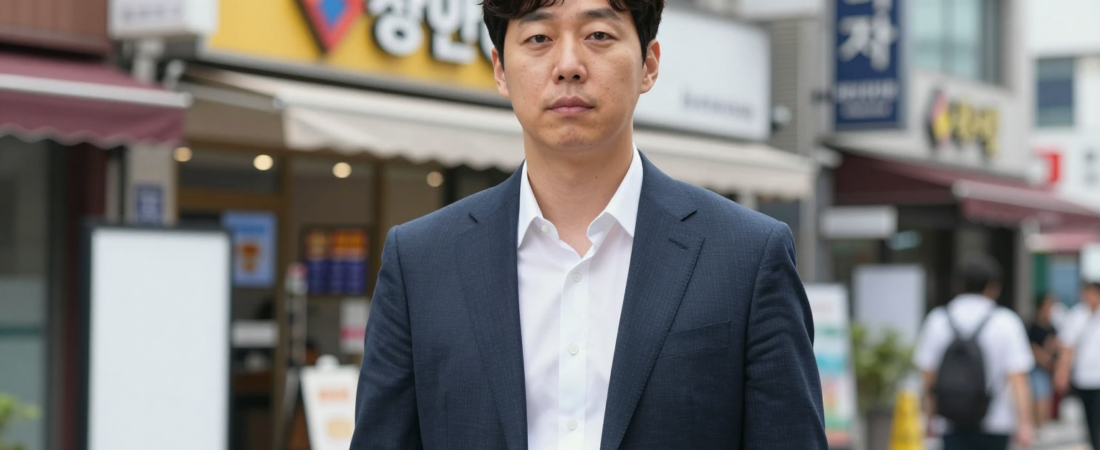
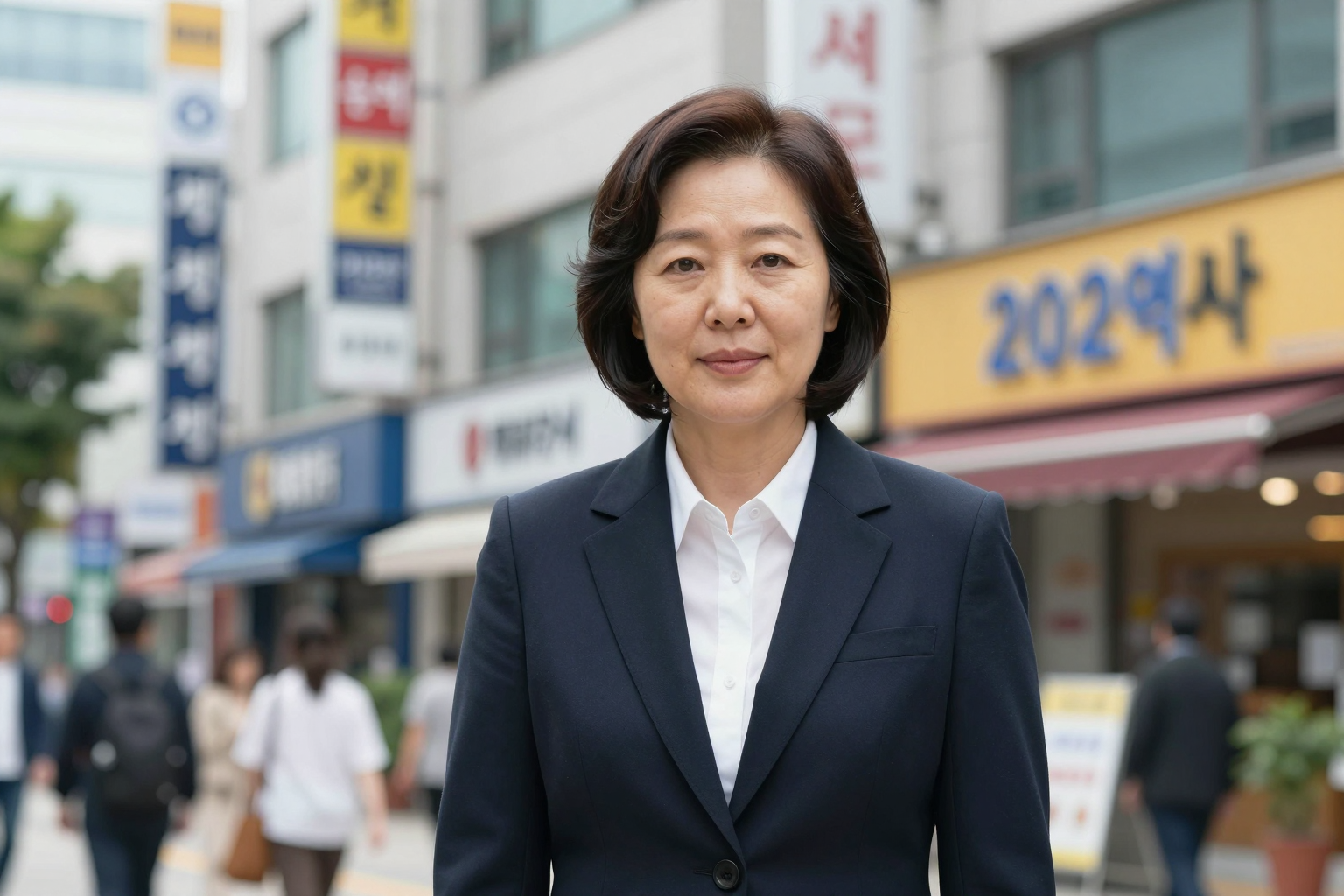
AI-Generated Photorealistic Image — All people, scenes, and details in this image are entirely AI-generated and fictional. Not a real photograph of an actual person or event. 이 이미지는 AI로 생성된 가상 이미지입니다.
Leave a Reply