Table of Contents
Lee Chang-dong Returns to Toronto After Eight Years
What does it take to make a filmmaker wait eight years between projects? For Lee Chang-dong, the answer seems to be patience, precision, and a refusal to rush art.
Lee Chang-dong is heading back to the Toronto International Film Festival, and this time he’s making history. He will become the first Korean director ever to receive the TIFF Ebert Director Award, one of the festival’s most prestigious honors.
Netflix confirmed the news on July 30, announcing that Lee Chang-dong has been selected as a 2026 TIFF Tribute Awards recipient. His new film, A Possible Love, will screen at the 51st edition of the festival this September.
Eight years is a long gap in any career. Eight years is an especially long gap when your last film was Burning, a movie critics still discuss in film school seminars today.
Who Is Lee Chang-dong? A Filmmaker Who Writes With Silence
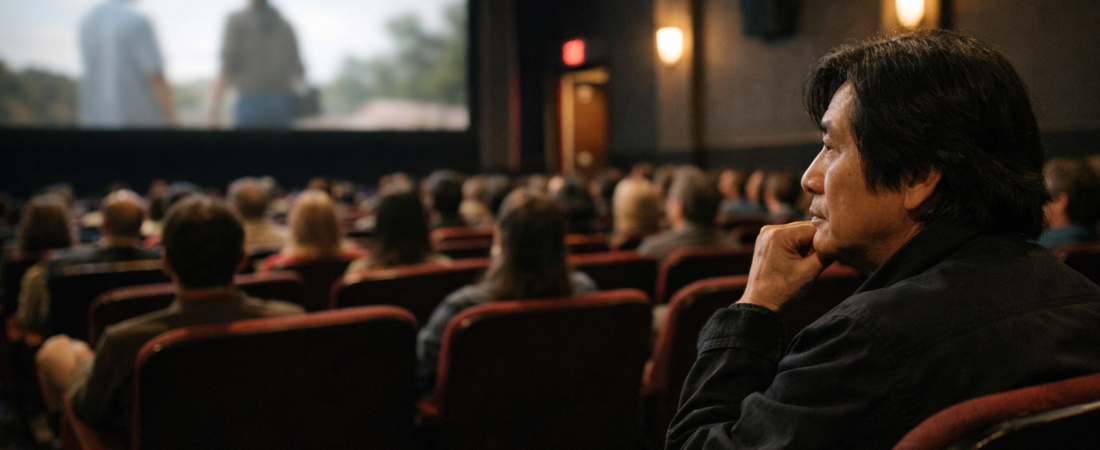
Before he ever picked up a camera, Lee Chang-dong wrote novels. That literary instinct never left him, and you can feel it in every frame of his films.
His directorial debut, Green Fish, arrived in 1997. From there, he built a body of work that reads almost like a slow-burning novel: Peppermint Candy, Oasis, Secret Sunshine, Poetry, and finally Burning in 2018.
Each of these films tackles quiet human pain — grief, guilt, longing, invisibility. Lee Chang-dong doesn’t chase spectacle; he chases truth, even when truth is uncomfortable to watch.
Interestingly, Lee Chang-dong once stepped away from filmmaking entirely to serve as South Korea’s Minister of Culture, Sports and Tourism in the mid-2000s. Few directors move so fluidly between storytelling and public service.
That background matters here. It explains why his films always feel less like entertainment and more like careful observation of Korean society itself.
Cinema fans outside Korea often discover Lee Chang-dong through Burning, which earned a spot on countless “best films of the decade” lists. But longtime Korean audiences knew his name decades earlier, back when Korean cinema was still fighting for global recognition.
Why the Ebert Director Award Matters for Lee Chang-dong
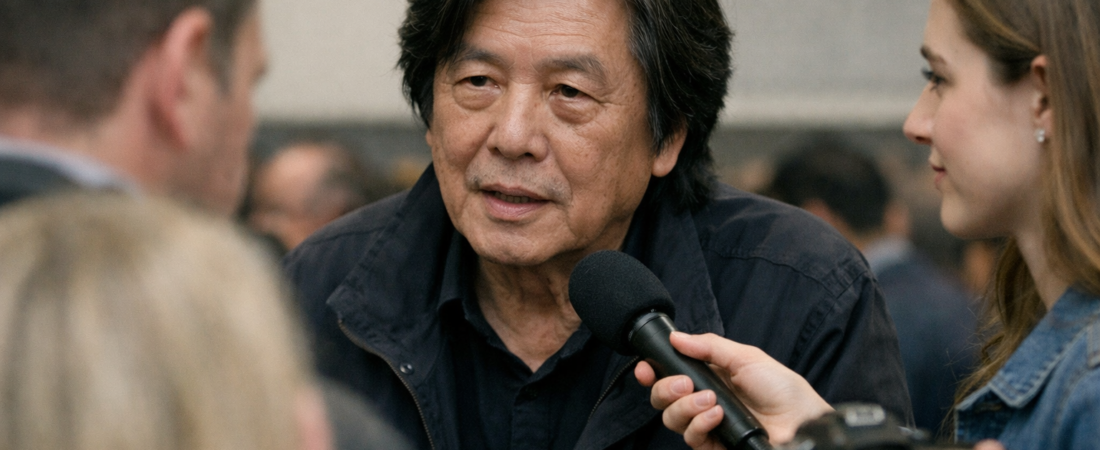
Named after the legendary American film critic Roger Ebert, this award honors filmmakers whose work reflects deep artistic integrity. It isn’t handed out for box office numbers or trending hashtags.
The TIFF Tribute Awards, now in their eighth year, celebrate individuals who have made an outstanding contribution to global film culture. Past honorees have included some of the most respected names in international cinema, so the company Lee Chang-dong now keeps says a lot.
Why does this recognition carry extra weight for Korean cinema? Because it signals something beyond one director’s talent — it signals that Korean storytelling has earned a permanent seat at the world’s table.
You could say Korean film has been climbing this mountain for thirty years, one festival prize at a time. Bong Joon-ho’s Parasite won the Oscar for Best Picture in 2020.
Park Chan-wook has collected honors across Cannes and beyond. Now Lee Chang-dong adds his own chapter, becoming the first Korean director to receive this specific TIFF honor.
Readers curious about the award’s history and past recipients can find more detail through Kyunghyang Shinmun, which has tracked the festival’s Tribute Awards closely over the years.
Netflix’s involvement also deserves attention here. As the streaming platform behind A Possible Love, Netflix continues investing in Korean auteur cinema, not just commercial hits.
That strategy has paid off before. It suggests global streaming platforms increasingly see Korean directors like Lee Chang-dong as prestige investments, not just regional content.
What Comes Next for Lee Chang-dong and Korean Cinema
So what should you expect from A Possible Love? Details remain limited for now, but given Lee Chang-dong’s history, expect something quiet, emotionally precise, and slow to reveal its full weight.
His films rarely explain themselves in the first act. They ask you to sit with discomfort, and that patience usually pays off by the closing scene.
There’s something worth pausing on here, beyond the award itself. Eight years of silence between films can look like absence, but it can also be the quiet architecture of real craft.
We live in a culture that rewards constant output — more content, more speed, more noise. Lee Chang-dong’s career pushes back against that instinct, and there’s real courage in choosing slowness when the industry demands speed.
But let’s be honest about the other side of that patience, too. A long gap between projects can also mean years of financial uncertainty, quiet self-doubt, or the private pressure of living up to a masterpiece like Burning.
Creative silence isn’t always peaceful; sometimes it’s simply hard. What makes this story hopeful isn’t that the wait was easy — it’s that persistence, even through difficulty, can still lead somewhere meaningful.
That tension between struggle and eventual recognition says something true about human effort in general, inside filmmaking and far beyond it.
Korean cinema’s global rise didn’t happen overnight either. It took decades of directors working in relative obscurity, failing at festivals, trying again, and slowly building an audience willing to watch subtitled films.
Lee Chang-dong’s TIFF honor is one more marker of how far that journey has come. It also reminds global audiences that Korean storytelling isn’t a trend — it’s a tradition still deepening with every new film.
Looking ahead, expect more festival attention on A Possible Love as its September premiere approaches. Expect renewed interest in Lee Chang-dong’s earlier catalogue too, as new viewers discover why critics have championed him for nearly three decades.
Korean cinema keeps proving that patient, personal storytelling can still win on the world stage. What do you think — does an eight-year wait make a filmmaker’s return more meaningful, or does it just build unfair pressure before the film even premieres?
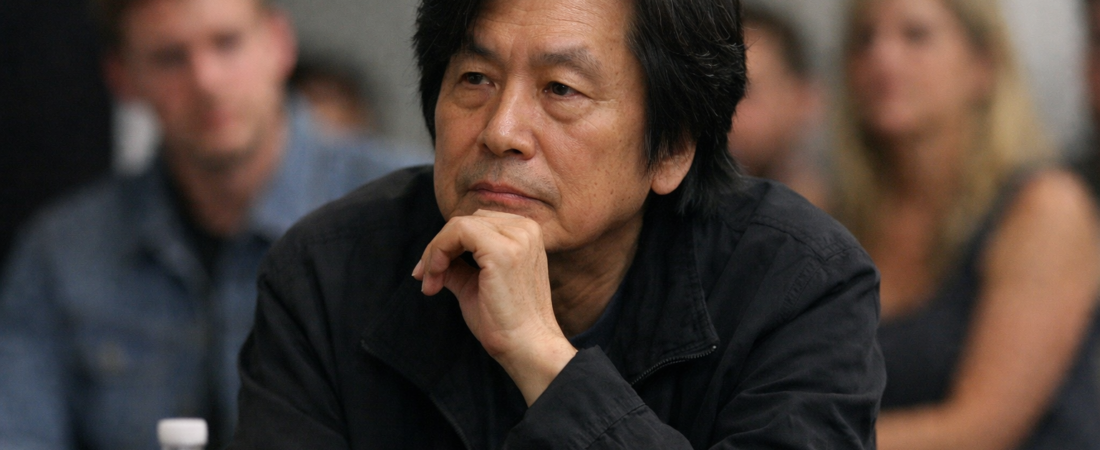
AI-Generated Photorealistic Image — All people, scenes, and details in this image are entirely AI-generated and fictional. Not a real photograph of an actual person or event. 이 이미지는 AI로 생성된 가상 이미지입니다.




Leave a Reply