Table of Contents
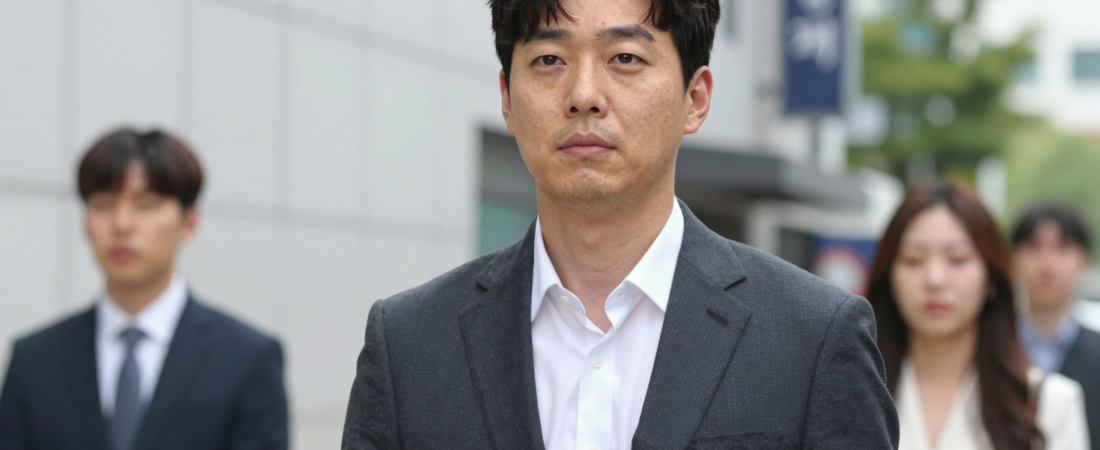
Lee Whi-hyang admitted she lost count of how many times she slapped a 14-year-old Park Shin-hye while filming Stairway to Heaven in 2003. She says the guilt still lingers 22 years later. The confession has reignited conversation about intense acting methods in Korean television.
Why would an actress still feel sorry over a scene from two decades ago? That question sits at the heart of this story. Lee Whi-hyang’s honesty says something bigger about how Korean drama sets have changed since then.
The Story Behind Lee Whi-hyang’s Confession
Lee Whi-hyang played a cruel stepmother figure in Stairway to Heaven, one of the most emotionally charged Korean melodramas of the early 2000s. Her character’s cruelty toward the young lead, played by Park Shin-hye, required repeated slapping scenes. Lee Whi-hyang recently revealed she got so deep into the role that she lost track of how many times she actually struck the teenage actress.
She did not treat this lightly. Lee Whi-hyang said she still carries a sense of apology, even after 22 years have passed. That kind of lingering regret tells you something about how seriously she takes the responsibility of working alongside a child actor.
This wasn’t a casual remark buried in an old interview. The story resurfaced recently and spread quickly online, exactly because it touches a nerve. Korean audiences are increasingly asking hard questions about what happened behind the scenes of beloved dramas from their childhood.
You might wonder why this old anecdote matters now. Simple: nostalgia and accountability are colliding in Korean pop culture conversations. Fans who grew up watching Stairway to Heaven are revisiting it with adult eyes, and Lee Whi-hyang’s candor gives them new context.
Stairway to Heaven and Its Lasting Legacy
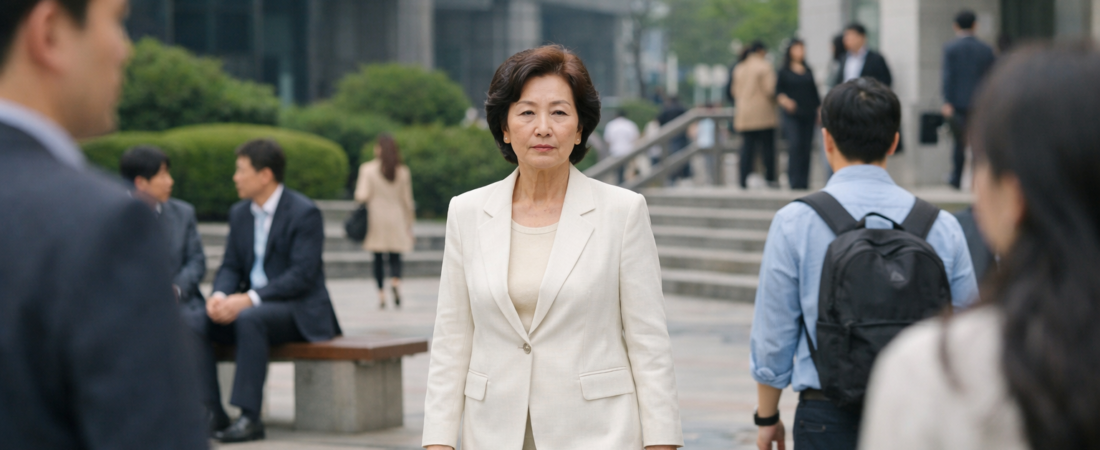
Stairway to Heaven aired from December 2003 to February 2004, and it became a defining melodrama of that era. The show helped launch Park Shin-hye’s career, turning her into one of Korea’s most recognizable actresses today. Its tragic love story and dramatic confrontations, including the infamous slapping scenes, became cultural touchstones.
Melodrama was king in early 2000s Korean television. Series leaned hard into heightened emotion, tragic illness, love triangles, and cruel family dynamics. If you have ever watched an early-2000s K-drama and thought the slaps seemed unusually real, you were onto something.
Lee Whi-hyang’s performance stood out precisely because it felt raw and uncomfortable to watch. That discomfort was the point back then; directors wanted visceral reactions from viewers. Looking back now, though, audiences are asking whether that intensity came at too high a cost for the young actors involved.
You can find clips of these scenes still circulating today, decades later. That staying power says something about how effective the performances were. But it also raises a fair question about how far “effective” should go when a minor is on the receiving end.
Method Acting and the Ethics of Child Performers

Method acting has a long, complicated history in film and television worldwide, not just in Korea. Actors sometimes push themselves into a role so completely that the line between performance and reality blurs. Lee Whi-hyang’s account fits into that broader pattern, though her case involves someone who was legally still a child.
Should intensity ever outweigh a young performer’s wellbeing? That is the uncomfortable question critics are raising now. It is worth noting that industry norms around child actors have shifted considerably since 2003, with more safeguards now standard on Korean sets.
Modern productions increasingly bring in intimacy coordinators, stunt doubles for physical contact scenes, and stricter guidelines for minors. According to Maeil Business Newspaper, this old story about Lee Whi-hyang is resurfacing exactly as these conversations about performer protection gain traction in Korea.
Here is the honest complexity: passionate, immersive acting created some of Korean drama’s most unforgettable moments, and that dedication deserves respect. Yet the same intensity that made Stairway to Heaven so memorable also exposed a young actress to real physical discomfort that no contract should have allowed. Real progress means keeping the emotional power of Korean melodrama alive while building stronger protections so no child performer has to absorb that cost again — and the industry’s move toward coordinators and stricter set rules shows that shift is already underway.
Neither extreme serves the truth here. Condemning Lee Whi-hyang outright ignores her genuine remorse and the different standards of that era. Excusing the incident entirely ignores a 14-year-old’s safety, and both readings miss the more useful lesson: growth is possible, and Korean television is proving it, one safeguard at a time.
What This Means for Korean Drama Today
Lee Whi-hyang’s story is not really about scandal. It’s about how far Korean drama production has come in protecting its youngest performers. Two decades ago, method acting on set could go unchecked; today, that same intensity gets filtered through safety protocols first.
Think about your own favorite childhood drama for a second. Would you watch it the same way now, knowing what you know about production practices back then? That’s the kind of reflection Lee Whi-hyang’s confession invites, gently rather than harshly.
(And if you’re picturing Korean melodrama slaps as dramatic sound effects with light taps — think again; these scenes were shot for maximum emotional realism, sometimes a little too real.) Park Shin-hye herself has gone on to a hugely successful career, suggesting the experience did not derail her, even if it left a mark on Lee Whi-hyang’s conscience.
Korean drama continues to evolve, balancing raw emotional storytelling with responsible production practices. Lee Whi-hyang’s willingness to speak openly about her regret adds a human dimension to an industry often criticized for staying silent about its past. Her honesty might even encourage other veteran actors to reflect on their own old sets.
So where does this leave us as viewers, decades removed from the original broadcast? It leaves us with a more complete picture of a beloved drama, warts and all. What do you think about how Korean drama sets have changed since the era of Stairway to Heaven, and does Lee Whi-hyang’s confession change how you see the show?
AI-Generated Photorealistic Image — All people, scenes, and details in this image are entirely AI-generated and fictional. Not a real photograph of an actual person or event. 이 이미지는 AI로 생성된 가상 이미지입니다.


Leave a Reply