Table of Contents
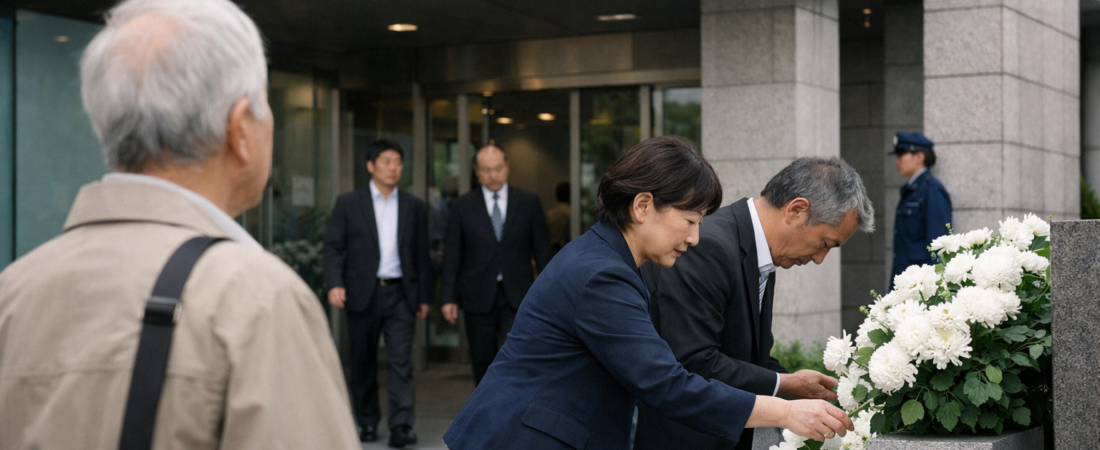
Can a single memorial service heal decades of political division? That question sat at the center of a recent ceremony marking the 61st anniversary of Syngman Rhee’s death. Minister Kwon Oh-eul of the Ministry of Patriots and Veterans Affairs attended the event and delivered a message that went far beyond simple remembrance.
His words focused on something Korea has struggled with for generations: national unity. Kwon urged citizens to move past old grievances and channel their energy into building the country’s future. That message, coming from the head of the Ministry of Patriots and Veterans Affairs, carries real weight.
A Memorial Service With a Bigger Message
Every year, supporters gather to honor Syngman Rhee, the founding president of South Korea. This year’s 61st anniversary service felt different, though. Minister Kwon didn’t just praise Rhee’s legacy—he used the platform to talk about something larger.
He spoke about overcoming historical conflict and division. He called on Koreans to gather their collective energy toward national development. This isn’t a small ask, especially given how contested Rhee’s legacy remains.
What made the speech notable wasn’t just what Kwon said about Rhee. He also mentioned Kim Gu, another founding-era leader whose relationship with Rhee was often tense and complicated. Bringing both names into the same breath signals something intentional.
Why pair these two figures together? Because Rhee and Kim Gu represent two different visions of early Korean independence and nation-building. Acknowledging both, rather than choosing sides, suggests the Ministry of Patriots and Veterans Affairs wants a broader, more inclusive telling of history.
Why Syngman Rhee Still Divides Korea
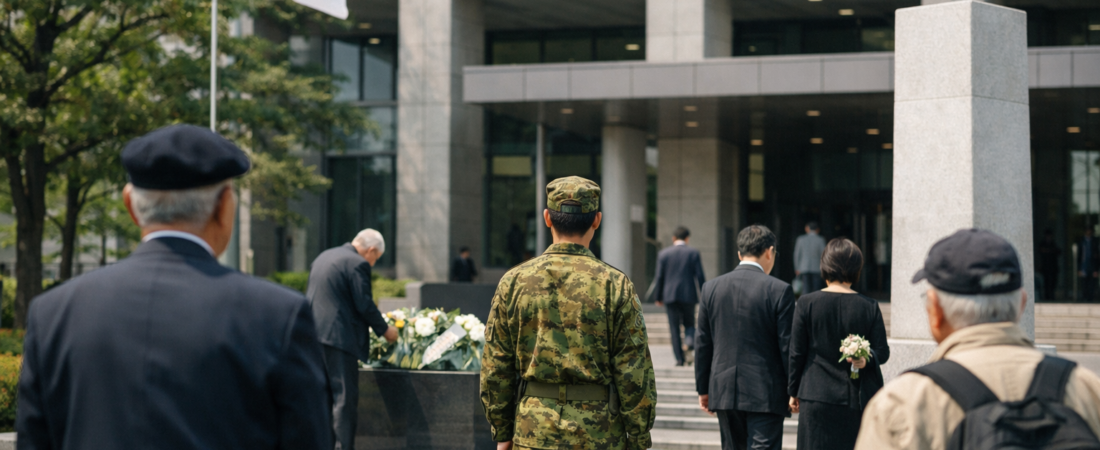
Understanding this story requires some historical background. Syngman Rhee served as South Korea’s first president from 1948 to 1960. His presidency ended in resignation after the April Revolution, following widespread protests over election fraud and authoritarian rule.
That ending still shapes how many Koreans view him today. Some celebrate Rhee as the founding father who secured South Korea’s independence and resisted communist expansion. Others remember him primarily for corruption and suppressing political opposition.
Kim Gu, meanwhile, is remembered differently. He led the Korean Provisional Government during Japanese colonial rule and fought for a unified Korea. His assassination in 1949 cut short a political career that many see as more focused on reconciliation with the North.
These two men, once rivals in the independence movement, now represent competing narratives about what modern Korea should value. Should the country prioritize anti-communist stability, as Rhee’s supporters argue? Or should it emphasize unification and inclusive nationalism, as Kim Gu’s legacy suggests?
This tension isn’t just academic. It plays out in textbooks, political rhetoric, and even in how memorial services are organized. That’s exactly why Minister Kwon’s decision to honor both men together matters so much right now.
The Ministry of Patriots and Veterans Affairs and Its Unity Mission
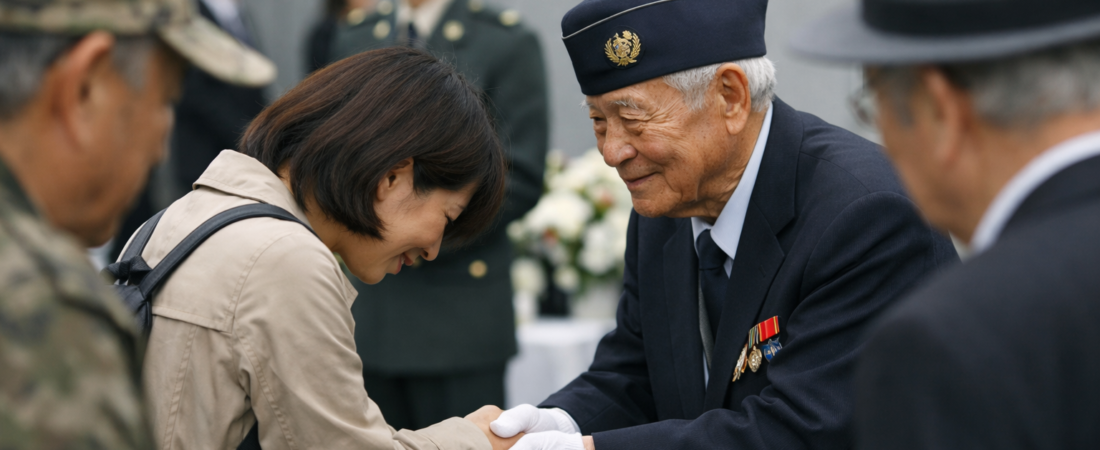
The Ministry of Patriots and Veterans Affairs holds a unique role in Korean society. It’s not just an agency that manages veteran benefits and pensions. It also shapes how the nation remembers its founding figures and historical struggles.
That’s a delicate responsibility. Every choice the Ministry of Patriots and Veterans Affairs makes—which leaders to honor, which anniversaries to prioritize—sends a political signal. Choosing to link Rhee’s memorial with a call for unity wasn’t accidental.
According to the ministry’s own statement, officials also proposed something concrete: better communication between the Syngman Rhee Memorial Foundation and the Baekbeom Memorial Association, the organization dedicated to preserving Kim Gu’s legacy. Baekbeom, incidentally, was Kim Gu’s pen name, still used affectionately by many Koreans today.
Why does this proposal matter? Because these two memorial organizations rarely coordinate. They often operate as if honoring one founder means overlooking the other.
By suggesting dialogue between them, the Ministry of Patriots and Veterans Affairs is attempting something ambitious. It wants these groups to see history as shared territory, not competing turf. Is that realistic? Perhaps not immediately, but the gesture itself signals a shift in official thinking.
You might wonder how a government ministry can influence something as personal as historical memory. The answer lies in funding, ceremonies, and public messaging. When the Ministry of Patriots and Veterans Affairs speaks at a memorial, it isn’t just paying respects—it’s shaping the national conversation about identity and legacy for years to come.
Readers interested in the broader context of Korea’s veteran affairs policy can explore more through Yonhap News Agency, which covers related government initiatives in greater depth.
What Comes Next for National Reconciliation
Where does this leave Korea’s ongoing struggle with historical memory? The Ministry of Patriots and Veterans Affairs seems to be betting that reconciliation starts with small, symbolic acts. A joint memorial reference here, a proposed dialogue there—these aren’t dramatic policy shifts, but they add up over time.
Will supporters of Rhee and supporters of Kim Gu actually come together because a minister mentioned both names at a ceremony? Probably not overnight. Political and historical wounds rarely heal that quickly.
But symbolic gestures matter more than skeptics often admit. They set a tone. They tell citizens what kind of national conversation their government wants to encourage.
Consider how other divided nations have handled similar reconciliation challenges. Germany’s approach to memorializing complicated 20th-century history offers a useful comparison—not identical to Korea’s situation, but instructive nonetheless. National healing rarely happens through a single decree; it happens through repeated, consistent institutional choices over years.
That’s likely the strategy behind the Ministry of Patriots and Veterans Affairs’s current approach. Instead of forcing a single unified narrative, the ministry appears to be encouraging coexistence between competing historical viewpoints. It’s a subtle but meaningful distinction.
For global readers, this matters beyond Korea’s borders. Every democracy wrestles with how to honor complicated founders and painful histories. The United States debates monuments and founding figures constantly.
Germany continues to navigate its 20th-century past through public memorials and education. Korea’s approach—using the Ministry of Patriots and Veterans Affairs as a bridge-building institution—offers a distinct model worth watching.
Looking ahead, the real test will be whether the proposed communication between the two memorial foundations actually happens. Symbolic speeches are one thing; sustained institutional cooperation is another. If the Ministry of Patriots and Veterans Affairs can turn this rhetoric into an ongoing dialogue, it could reshape how Korea teaches its founding history to future generations.
That would be no small achievement, given how entrenched these historical divisions have become. So here’s the question worth sitting with: can honoring two rival founders together actually help a divided society move forward? What do you think about Korea’s approach to reconciling its founding fathers’ competing legacies?
AI-Generated Photorealistic Image — All people, scenes, and details in this image are entirely AI-generated and fictional. Not a real photograph of an actual person or event. 이 이미지는 AI로 생성된 가상 이미지입니다.



Leave a Reply