Table of Contents
A Warm Farewell at the End of a Historic Trip
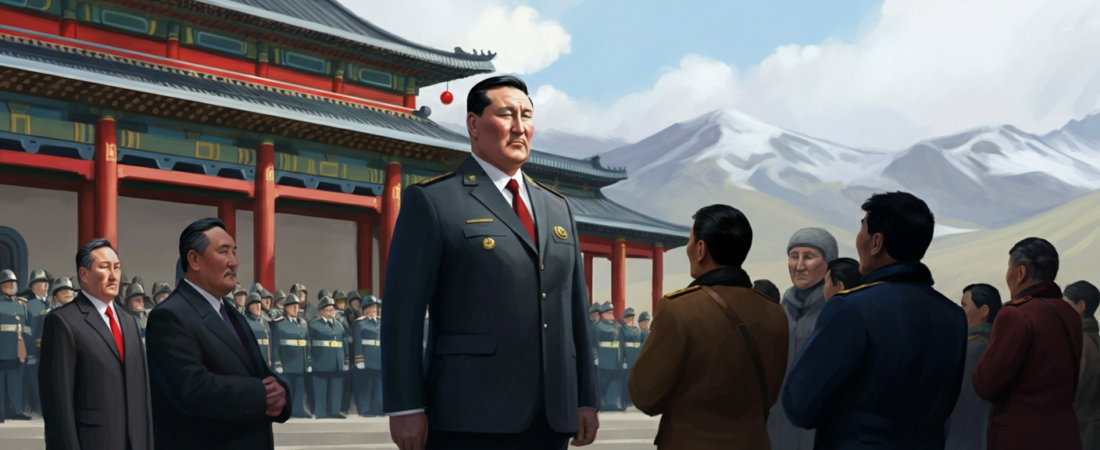
What does a state visit look like when the cameras stop rolling and the formal speeches end? For President Lee Jae-myung, it looked like a traditional ger tent, a plate of aaruul cheese, and two ponies waiting outside. His Mongolia state visit wrapped up not with a handshake, but with a shared meal steeped in centuries of nomadic hospitality.
This final stop capped a demanding schedule. President Lee had just finished a NATO summit before heading to Mongolia, making this trip a tight three-night, five-day itinerary.
Diplomacy often runs on formality. But this Mongolia state visit ended on something more personal — a lunch designed to show, not just tell, what friendship between two nations can feel like.
Inside the Ger: What Happened at the Farewell Lunch
President Lee’s Mongolia state visit closed with a lunch at a ger guesthouse alongside Mongolian President Khurelsukh. A ger, the traditional round felt tent used by nomadic herders for generations, served as the venue. Why choose a tent over a palace banquet hall? Because in Mongolian culture, the ger represents trust, family, and open-hearted welcome — values Mongolia clearly wanted to extend to its Korean guest.
The menu included aaruul, a dried curd snack made from fermented milk. It’s a staple of Mongolian herding life, often given to guests as a sign of respect.
Beyond food, the two leaders and their delegations took part in traditional games passed down through generations. A mini version of Naadam, Mongolia’s famous festival of wrestling, horse racing, and archery, added a festive touch to the farewell.
Think about what this says diplomatically. Instead of ending the Mongolia state visit with another round of formal statements, Mongolia chose to showcase its living culture.
That choice speaks volumes. It suggests Mongolia views this relationship as more than transactional — it’s personal, rooted in shared respect between two nations with very different histories but growing common interests.
Ponies and Bichig Script: Decoding the Gifts
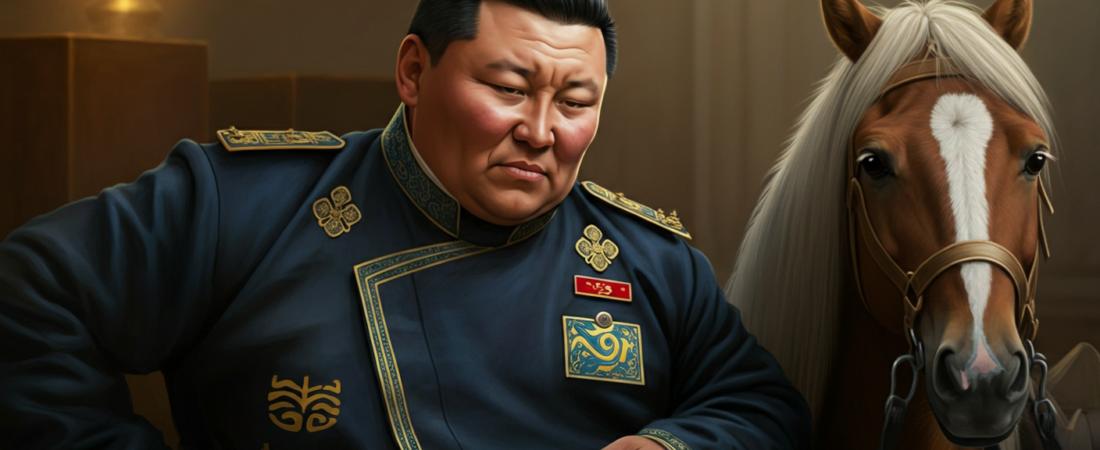
Gifts exchanged during state visits are rarely random. Mongolia gave President Lee and the First Lady two ponies — a gesture loaded with meaning. Horses sit at the very center of Mongolian identity, tied to centuries of nomadic life and the legacy of the Mongol Empire’s legendary cavalry.
Giving a horse isn’t a small courtesy in Mongolia. It’s one of the highest honors a host can offer, symbolizing freedom, strength, and lasting friendship.
The second gift carried even deeper cultural weight. Mongolia presented the couple’s names written in traditional Bichig script — the vertical Mongolian writing system dating back to the 13th century, still used today in ceremonial and cultural contexts alongside the Cyrillic alphabet adopted during the Soviet era.
Why does this detail matter? Because reviving traditional script for a foreign leader’s name is a rare and deliberate act of cultural sharing, not a routine souvenir.
It tells guests: we’re inviting you into our history, not just our present. For a Mongolia state visit meant to build long-term trust, that symbolism lands harder than any formal joint statement could.
Readers interested in the broader diplomatic backdrop of this trip can find additional coverage through Yonhap News Agency, which has tracked President Lee’s travel schedule closely.
Why This Mongolia State Visit Matters for Korea’s Diplomacy
Should a short visit to a country of just 3.5 million people really matter to Korea’s foreign policy? The answer is yes — and the reasons go beyond politeness. Mongolia sits between two giants, Russia and China, giving it a unique strategic position that middle powers like Korea increasingly value.
Korea has steadily deepened ties with Mongolia over the past two decades, covering trade, mining cooperation, and labor exchange. Thousands of Mongolians live and work in Korea today, and Korean investment in Mongolia’s mineral resources has grown alongside that people-to-people connection.
Against that backdrop, this Mongolia state visit reinforced something practical: personal rapport between leaders can smooth future negotiations. When President Lee traveled directly from a NATO summit to Ulaanbaatar, the sequencing itself sent a message.
Korea wants to balance its Western alliance commitments with active engagement in Northeast and Central Asia. Isn’t that exactly the kind of flexible diplomacy a mid-sized power needs today?
Small nations sometimes offer big lessons in how relationships get built. Mongolia didn’t try to compete with NATO-level pageantry.
Instead, it leaned into what makes it distinct — nomadic culture, horse symbolism, ancient script — and turned a routine diplomatic stop into something memorable. That’s a lesson in soft power that larger nations often forget.
Looking ahead, expect this Mongolia state visit to serve as a reference point for future exchanges between Seoul and Ulaanbaatar. Cultural diplomacy like this tends to outlast policy papers, because people remember shared meals longer than shared communiqués.
As Korea continues expanding its diplomatic footprint across Asia, moments like this ger lunch may matter more than they first appear. What do you think about Korea’s growing use of cultural diplomacy alongside formal state visits like this one in Mongolia?


Leave a Reply