Table of Contents
Actress Nana revealed her current favorite workout is “slow running,” a style so gentle it barely counts as jogging. She shared this on Netflix Korea’s YouTube web variety show while promoting her new series, “Scandal.” The pace she described covers just one kilometer in about ten minutes.
That number might surprise you. Ten minutes per kilometer sounds almost like a brisk walk, not a run at all. Yet that is exactly the point Nana was making, and it explains why so many fitness fans in Korea are paying attention.
Nana’s New Workout Obsession
Nana appeared on the Netflix Korea web series “Hongbohareo On Geon Matjiman,” a promotional talk show where actors casually chat about their new projects. She joined the episode alongside co-star Son Ye-jin to talk about “Scandal,” their upcoming series. During the conversation, Nana opened up about her personal fitness routine outside of acting.
She mentioned slow running almost in passing, but the comment quickly caught fans’ attention. Why would a celebrity known for disciplined training choose something so relaxed? That question alone sparked plenty of discussion online.
Nana has long been recognized for her fitness dedication, often sharing glimpses of intense workouts on social media. This time, though, she pointed to something much gentler. It signals a shift not just in her routine, but perhaps in how many people now think about exercise.
What Exactly Is Slow Running
Slow running, sometimes called “shuffle jogging” in fitness circles, means running at a pace close to walking speed. Covering one kilometer in ten minutes puts you at roughly six kilometers per hour. Compare that to competitive runners, who often finish a kilometer in four minutes or less.
So why run at all if you’re barely faster than walking? The answer lies in heart rate and sustainability. Slow running keeps your heart rate in a low, steady zone, which makes longer sessions far easier on your joints and lungs.
This method has roots in Japan, where it grew popular among older runners and beginners seeking a low-impact alternative to traditional jogging. It later spread to Korea’s running community, especially among people returning to exercise after a long break. Think of it as running’s version of decaf coffee — still the real thing, just easier to handle every day.
Why Slow Running Fits Korea’s Wellness Mood
Korea’s fitness culture has shifted noticeably over the past few years. High-intensity workouts once dominated gyms and social media feeds, but slower, more sustainable routines are gaining ground. Nana’s comment about slow running reflects this broader change in mindset.
Have you noticed how exhausting “no pain, no gain” fitness culture can feel over time? Many young Koreans are asking the same question, and they’re finding answers in gentler practices. Walking clubs, casual jogging crews, and now slow running groups have multiplied across cities like Seoul and Busan.
You can find more background on this shifting fitness trend through Maeil Business Newspaper, which has covered how Korean celebrities influence everyday exercise habits. Celebrities like Nana carry real weight in shaping these trends. When a well-known actress endorses a low-pressure workout, it gives ordinary people permission to slow down too.
The Bigger Picture Behind Nana’s Fitness Choice
Nana’s slow running habit says something beyond personal preference. It points to a quiet cultural correction happening across Korea’s fitness world, one that values consistency over intensity. That shift deserves attention, especially in a society often praised — and sometimes criticized — for its relentless pace.
Korea’s work culture has long celebrated effort, speed, and visible results, sometimes at the cost of rest. This same intensity has occasionally spilled into fitness spaces, where slower or less “impressive” routines get overlooked. But that pattern is changing, and Nana’s comment is a small yet telling example of people choosing sustainability over spectacle.
There’s something honest in admitting that slow progress still counts as progress. That idea can feel uncomfortable in a culture built on speed, yet it also offers real relief for people who have burned out chasing faster results. Choosing a slower path doesn’t mean giving up ambition; it often means protecting the ability to keep going at all.
Nana’s slow running moment likely won’t change Korean fitness culture overnight. But small public gestures like this one tend to ripple outward, encouraging quiet permission for others to rest without guilt. If more public figures speak openly about balance rather than intensity, the shift could become lasting rather than temporary.
What do you think about Nana’s choice to embrace slow running over high-intensity workouts?
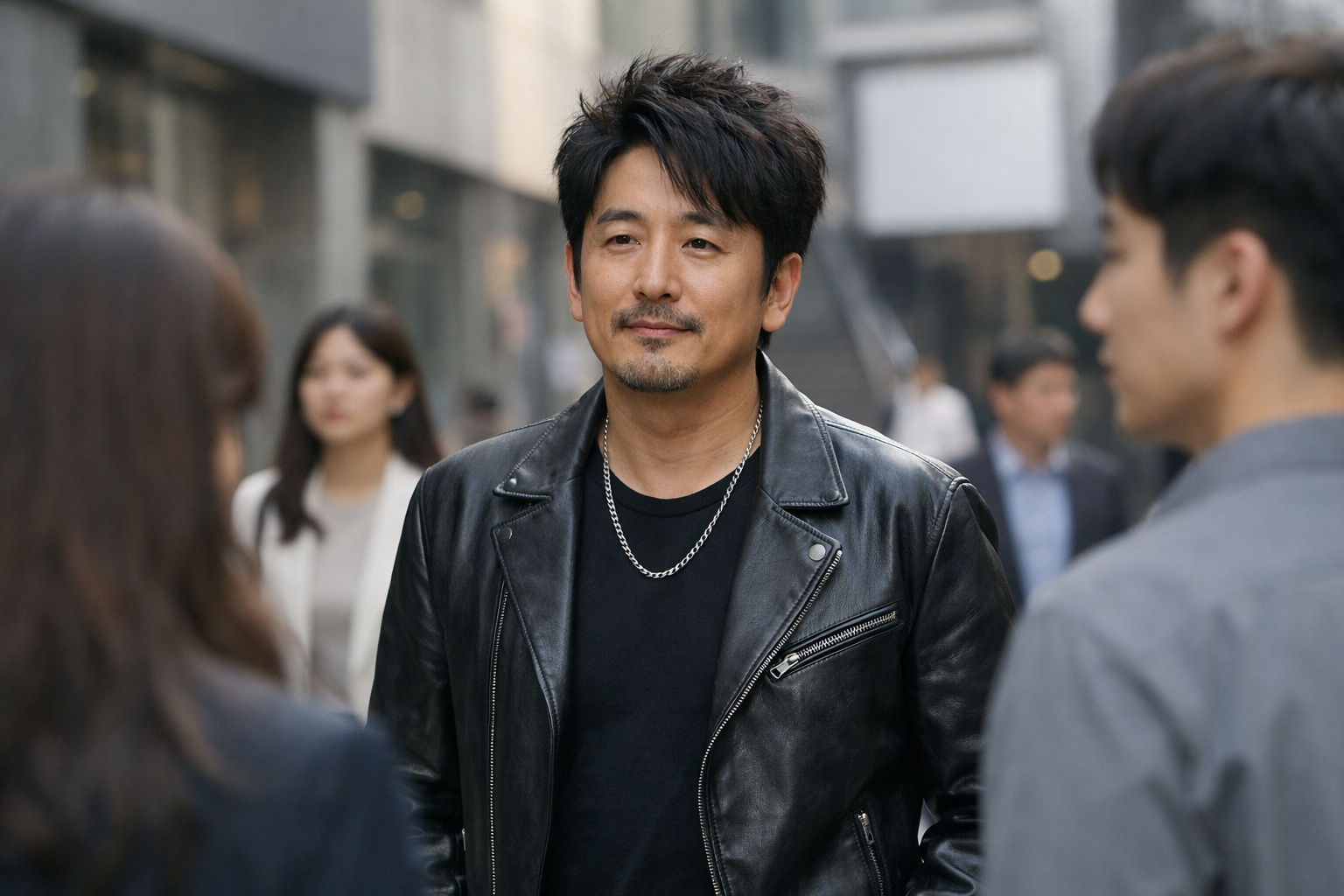
AI-Generated Photorealistic Image — All people, scenes, and details in this image are entirely AI-generated and fictional. Not a real photograph of an actual person or event. 이 이미지는 AI로 생성된 가상 이미지입니다.
Leave a Reply