Table of Contents
Can you trust the referee if no one is watching the referee? That question sat at the center of a tense National Assembly hearing this week. Lawmakers from both sides of the aisle turned their attention to the National Election Commission, and the criticism did not stop.
For a body that runs every national election in Korea, the National Election Commission rarely makes headlines for the wrong reasons. This week was different. A special parliamentary investigation committee held its first hearing, and the mood was anything but routine.
A Hearing That Put Korea’s Election Watchdog on Trial
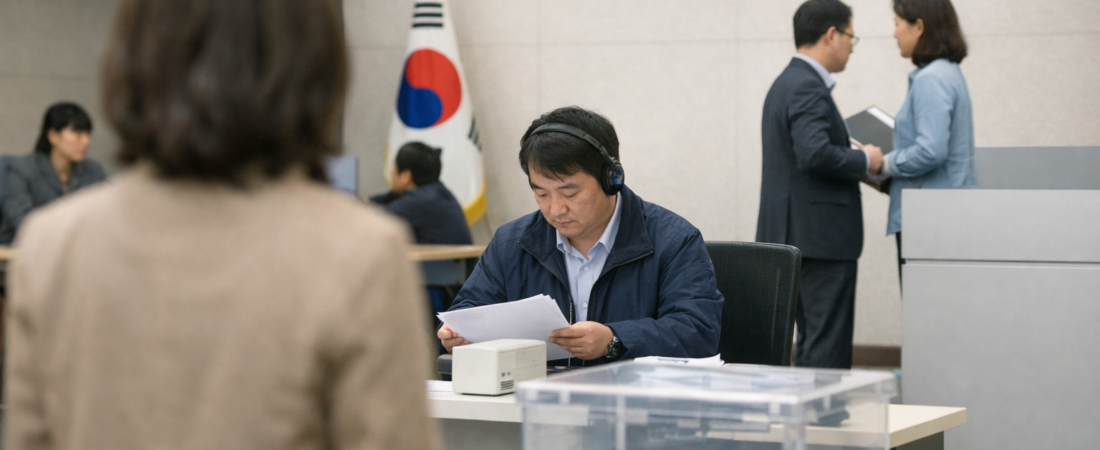
The National Assembly’s state investigation committee gathered for its first formal session this week. Its target: the National Election Commission, the independent body responsible for overseeing every vote in South Korea. Ruling and opposition lawmakers rarely agree on much these days.
But at this hearing, both sides found common ground in criticizing the National Election Commission. Why does that matter? When lawmakers from opposing parties unite against one institution, it usually signals a problem too big to ignore.
Committee members pressed National Election Commission officials on several fronts at once. They raised concerns about oversight gaps, questionable contract practices, and internal disciplinary policies. Election officials responded with a mix of explanation, defense, and in some cases, direct apology.
This was not a quiet, procedural session. It was a public reckoning for one of Korea’s most trusted institutions. And it is likely just the beginning of a longer investigation process.
Why the National Election Commission Faces Growing Scrutiny
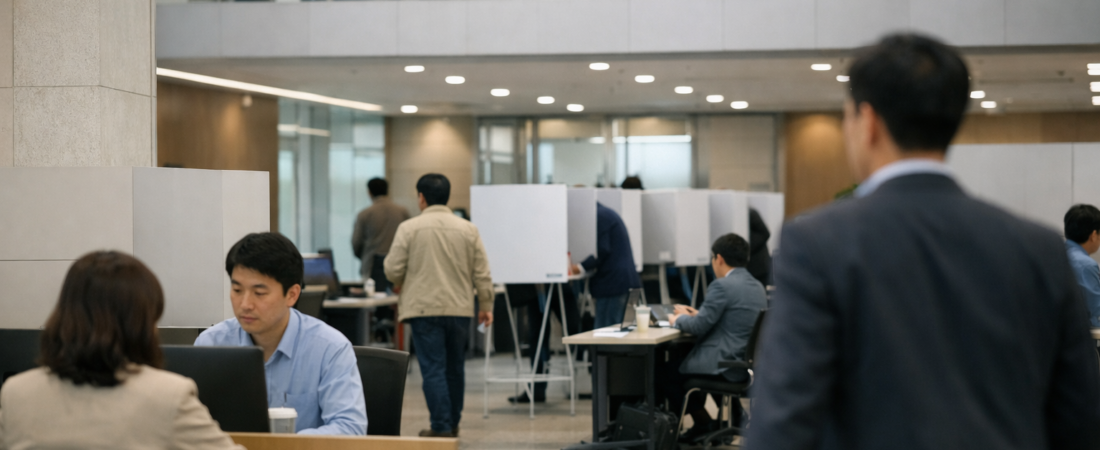
One of the sharpest criticisms centered on what lawmakers called a “blind spot” in oversight. The National Election Commission, they argued, has operated with too little external monitoring for too long. Isn’t that troubling for an agency that guards the integrity of every vote?
Election commissions in most democracies face regular audits from outside bodies. Independence protects them from political pressure, yes, but it can also shield them from healthy scrutiny. Lawmakers at the hearing argued the National Election Commission fell into this second trap.
Contract practices came under fire as well. Committee members accused the National Election Commission of steering work toward favored vendors, a practice known in Korean as “ilgam mollajugi,” or job allocation favoritism. This term describes situations where public contracts go to insiders rather than through open, competitive bidding.
Such practices erode public trust quickly, especially inside an agency built entirely on trust. If citizens cannot verify how the National Election Commission spends public money, how can they fully trust how it counts their votes? The two issues, contracts and credibility, are more connected than they first appear.
Lawmakers pushed for clearer answers. Commission officials offered explanations, though not every answer satisfied the committee. Readers following Korean governance closely can find broader coverage of these institutional debates through outlets like Yonhap News Agency, which has tracked the hearing in detail.
Disciplinary Loopholes, Election Appeals, and the “Twin Vote” Mystery
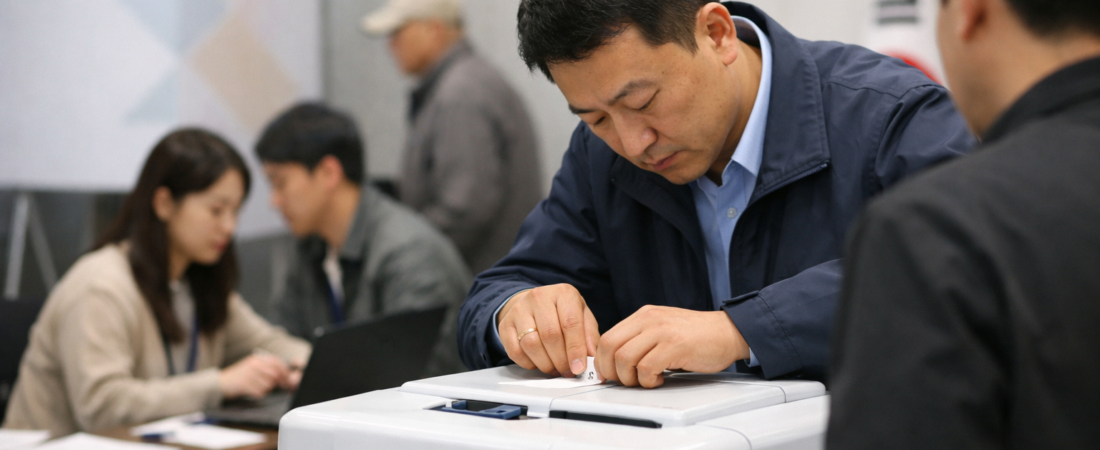
A second major concern involved internal discipline. After a recent audit system reform, the rate of reduced punishments inside the National Election Commission reportedly increased. In plain terms, more employees facing discipline ended up with lighter penalties than before.
Why does this matter to ordinary voters? Because weak internal accountability inside the National Election Commission can quietly undermine public confidence in election administration overall. Lawmakers wanted to know: did the reform accidentally make it easier for staff to avoid real consequences?
Commission officials acknowledged the pattern during testimony. They did not fully deny the criticism, and in some moments, they offered direct apologies to the committee. That kind of admission from a government body is notable, and it suggests the concerns carry real weight.
Election appeal reviews, known in Korea as “seongeo sochong,” also drew heavy criticism. These are the formal channels citizens and candidates use to challenge disputed election results. Lawmakers alleged the independence of this review process had been compromised in certain cases.
An election appeal system only works if it stays neutral. If the same body running an election also controls how disputes get reviewed, conflicts of interest can emerge naturally. The committee pushed the National Election Commission to explain how it protects this separation in practice.
Perhaps the most unusual topic raised was the so-called “twin vote count” controversy. This refers to reports of identical or near-identical vote tallies appearing in separate ballot boxes, a pattern that understandably raises suspicion among voters and candidates alike. Statistically, perfectly matching results across different locations are rare enough to invite questions.
Lawmakers also revisited past recount cases and related compensation disputes. When courts order recounts, and results shift even slightly, questions about damages and accountability naturally follow. The committee wanted clarity on how the National Election Commission handles these financial and procedural consequences going forward.
Taken together, these issues paint a picture of an institution under real pressure. Contract practices, discipline policies, appeal independence, and vote count anomalies all surfaced in a single hearing. That breadth alone signals this is not a minor housekeeping matter for the National Election Commission.
What This Means for Korea’s Democratic Future
Korea’s democracy has matured rapidly since direct presidential elections returned in 1987. Election administration became a quiet symbol of that progress, respected both at home and abroad. This hearing challenges part of that reputation, and challenges it publicly.
Does one difficult hearing mean the entire system is broken? Not necessarily. But it does mean citizens deserve clear answers, transparent processes, and stronger oversight going forward.
The National Election Commission now faces a choice. It can treat this hearing as a temporary political storm, or it can use the criticism as a genuine reform opportunity. Bipartisan pressure from the National Assembly suggests lawmakers expect the second option.
Expect further hearings as the special investigation committee continues its work. Expect renewed calls for external audits, clearer contract rules, and stronger protections for election appeal independence. The National Election Commission will need to respond with more than apologies this time.
For readers outside Korea, this story offers a useful lesson. Even well-established democracies must keep watching the institutions that protect their votes. Trust in elections is never permanent, it requires constant maintenance.
So here is the real question worth sitting with. What do you think it takes to keep an election commission accountable, without compromising its independence?
AI-Generated Photorealistic Image — All people, scenes, and details in this image are entirely AI-generated and fictional. Not a real photograph of an actual person or event. 이 이미지는 AI로 생성된 가상 이미지입니다.
Leave a Reply