
Table of Contents
What happens when a country cut off from global sports still wants a piece of World Cup fever? North Korea just gave us an answer. Photos shared by foreign visitors on social media suggest North Korea has quietly launched a lottery-style sports betting system tied to the 2026 World Cup.
This isn’t a rumor from defector testimony or satellite imagery. It’s coming from ordinary phone screens, spotted by people inside the country. And it raises a bigger question: why would North Korea, a nation that officially bans gambling, suddenly embrace it?
North Korea’s Secret World Cup Lottery Scheme
The evidence started small. A few images posted online showed North Korean smartphones displaying a “sports lottery” menu. Soccer graphics sat right next to it, clearly referencing the 2026 World Cup, which the United States, Mexico, and Canada will co-host.
Why would North Korea care about a tournament it likely won’t even qualify for? Because the World Cup isn’t the point. The betting system is.
North Korea has apparently built a state-run lottery product around global sports events, using the World Cup’s popularity as bait. Soccer fans anywhere in the world get excited about brackets, scores, and predictions. North Korea seems to be betting that its own citizens feel the same pull.
The lottery menu appeared on a device called the Samtaeseong 8, a domestically produced smartphone. This isn’t some underground app hidden in a dark corner of the internet. It’s built directly into state-approved technology, meaning North Korean authorities designed it on purpose.
That detail matters. This wasn’t an accident or a leak. North Korea planned this system deliberately, embedding it into everyday consumer electronics that ordinary citizens already use.
Why North Korea Needs This Cash Now
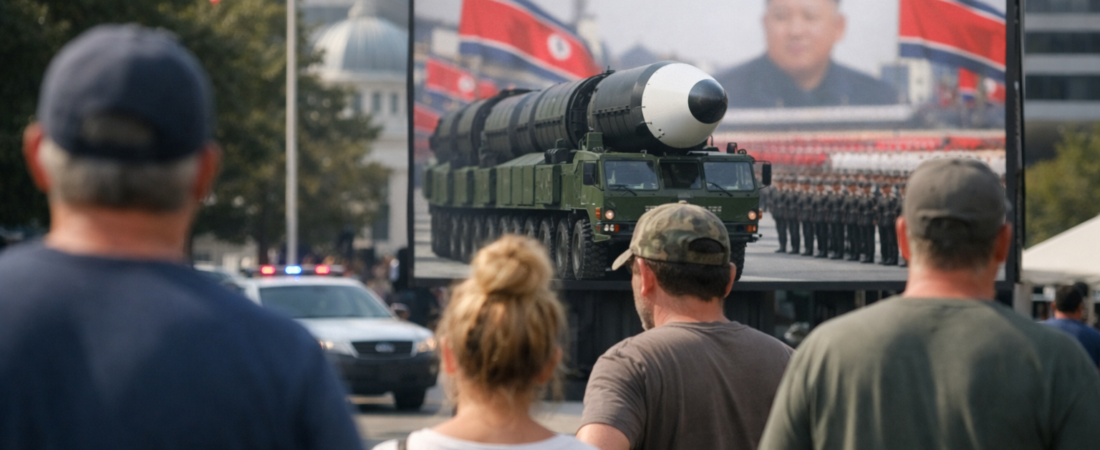
Here’s the real story behind the headlines: North Korea is broke, and it’s looking for money anywhere it can find it. Experts who study the North Korean economy point to one clear motive. North Korea wants to pull idle cash out of people’s mattresses and into state-controlled channels.
Think about it from Pyongyang’s perspective. Years of sanctions have strangled formal trade routes. International banks won’t touch North Korean transactions.
So where does the regime turn? Inward, toward its own citizens and their private savings.
Many North Korean households and even small institutions keep cash reserves outside the official banking system. That’s not surprising, given decades of distrust toward state banks after previous currency reforms wiped out personal savings overnight. But all that hidden cash does the government no good sitting in a drawer.
A sports lottery gives North Korea an attractive, low-cost way to lure that money out. People enjoy the thrill of possibly winning big. The government profits either way, collecting a cut from every ticket sold, whether anyone wins or not.
This isn’t a new playbook globally. Many governments run state lotteries specifically because they’re an efficient, popular way to raise revenue without raising taxes. North Korea appears to be borrowing this exact strategy, dressing it up with World Cup excitement to boost appeal.
Sports betting also taps into something taxes can’t: genuine public enthusiasm. Soccer has passionate fans even in isolated North Korea. Combining that passion with a chance to win money creates a much stronger pull than a plain government bond or savings account ever could.
The Tech Behind North Korea’s Digital Wallet Push
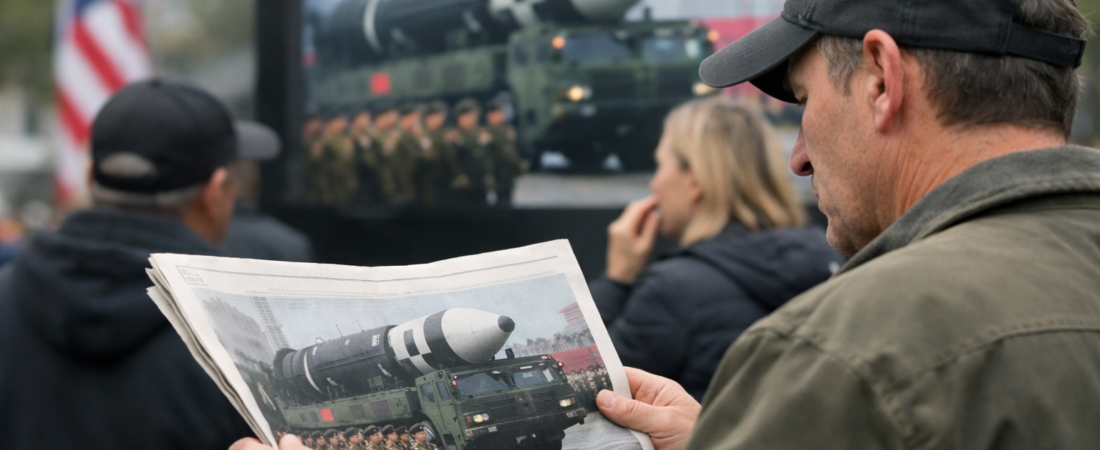
Here’s where things get more interesting. The lottery system doesn’t operate through cash tickets sold at a corner shop. It runs through a digital wallet app called Samheung Electronic Wallet.
This detail tells us a lot about North Korea’s broader ambitions. Why push a mobile payment app alongside a lottery? Because North Korea wants to move its entire economy toward trackable, cashless transactions.
A digital wallet does two things at once for a controlling government. First, it captures money that used to circulate invisibly outside official channels. Second, it gives authorities a real-time window into who’s spending what, and how much.
For a state obsessed with monitoring its population, that’s an incredibly attractive feature. Every lottery ticket purchase, every wallet top-up, becomes a data point the government can see. This mirrors trends happening elsewhere too.
Countries around the world have pushed cashless payment systems for convenience and efficiency. North Korea’s version, though, layers state surveillance directly on top. You can learn more about how digital currency trends are reshaping economies globally through resources like Korean Daily Life News Report.
The soccer-themed graphics inside the Samheung app aren’t decoration. They’re marketing, plain and simple. North Korea knows international sports events generate buzz, even among people with limited access to outside media.
By wrapping a financial control tool in World Cup excitement, North Korea makes an unpopular goal, tighter monetary surveillance, feel like harmless entertainment. That’s a clever, if troubling, strategy.
What This Reveals About North Korea’s Economy
So what does all this really tell us about North Korea today? It shows a regime experimenting with capitalist-style tools while keeping tight political control. Gambling was long condemned in official North Korean rhetoric as a symbol of Western moral decay.
Yet here we are, watching North Korea run its own version of a state lottery. That contradiction speaks volumes.
Economic pressure is clearly overriding old ideological objections. When survival needs cash, ideology tends to bend. This pattern isn’t entirely new for North Korea either.
The country has quietly allowed informal markets, called jangmadang, to flourish for decades despite official socialist principles. Leadership tolerates practices that generate revenue, even when those practices clash with stated values. The sports lottery fits this same pattern perfectly.
There’s also a signal here about international engagement, however limited. By referencing the 2026 World Cup specifically, North Korea shows awareness of, and interest in, global sporting culture. It won’t likely send a team to compete.
But it clearly wants to profit from the emotional energy such events generate worldwide. Should we expect more schemes like this from North Korea going forward? Almost certainly yes, especially as sanctions continue limiting traditional revenue streams like exports and overseas labor.
North Korea has shown a consistent pattern: adapt any available cultural or economic trend into a controlled revenue tool. Digital wallets, sports lotteries, and mobile technology all serve this single purpose. Watching how North Korea evolves these systems tells us more about its true economic condition than official state statements ever will.
Numbers from Pyongyang are notoriously unreliable, but behavior like this speaks honestly. A government doesn’t build gambling infrastructure into national smartphones unless it desperately needs new income sources. North Korea’s actions here say more than any official announcement could.
Looking ahead, expect North Korea to keep experimenting with hybrid systems that blend entertainment, technology, and financial control. The 2026 World Cup lottery may just be an early test case. If it succeeds in pulling meaningful cash out of private hands, similar schemes tied to future global events seem inevitable.
What do you think about North Korea using global sports events like the World Cup to fund its struggling economy?
AI-Generated Photorealistic Image — All people, scenes, and details in this image are entirely AI-generated and fictional. Not a real photograph of an actual person or event. 이 이미지는 AI로 생성된 가상 이미지입니다.


Leave a Reply