Table of Contents
Sixty-five years ago, two governments signed a treaty that still shapes Asian politics today. Can a decades-old agreement really keep influencing events in 2025? For North Korea-China relations, the answer is a clear yes.
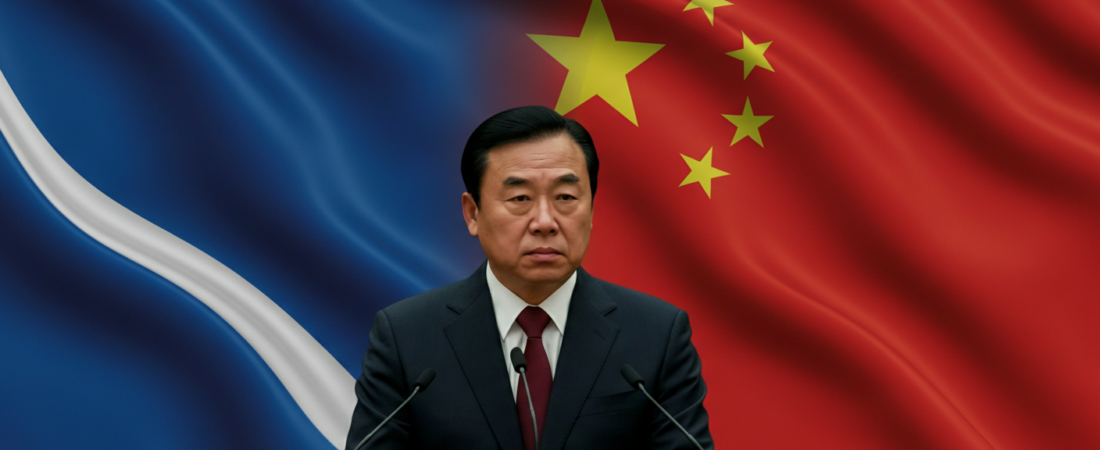
This week, North Korean Premier Pak Tae-song traveled to Beijing to mark the anniversary of that very treaty. He met with Chinese Premier Li Qiang for high-level talks. The timing and the tone of this visit tell us a lot about where North Korea-China relations stand right now.
A 65-Year-Old Treaty Still Shapes North Korea-China Relations
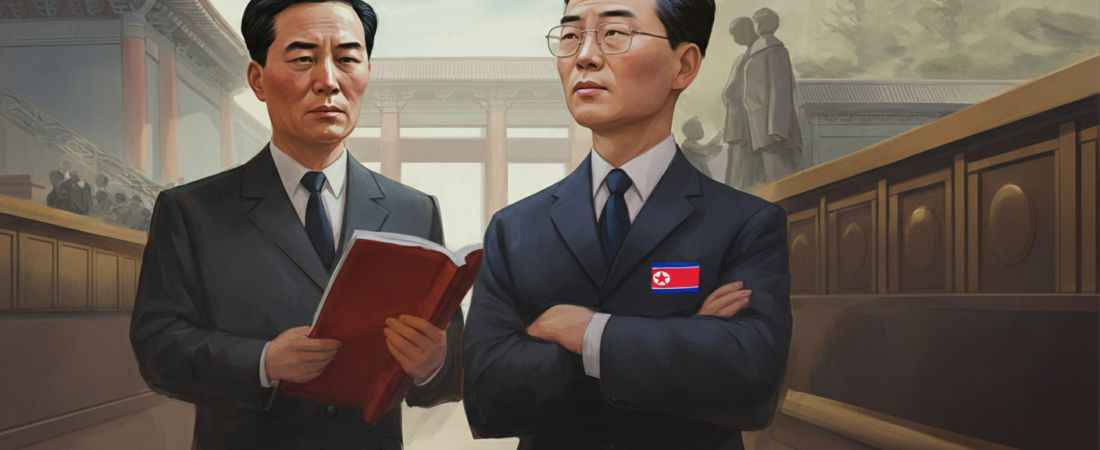
Back in 1961, North Korea and China signed the Treaty of Friendship, Cooperation and Mutual Assistance. This document created a formal alliance between the two neighbors. It promised military support, economic exchange, and political solidarity.
Why does a treaty from the Cold War era still matter today? Because both governments continue to use it as a symbolic anchor for their partnership. Anniversaries like this one give leaders a reason to renew ties publicly, without needing a new crisis to justify the meeting.
North Korea and China rarely explain their diplomacy in emotional terms. Instead, they lean on history and tradition. This 65th anniversary offered the perfect stage for Pyongyang to send a senior official to Beijing.
Pak Tae-song’s visit was not random. It followed months of careful positioning between the two capitals. You could say this trip was less about celebration and more about strategy dressed in ceremonial language.
Inside the Pak Tae-song and Li Qiang Meeting
Premier Pak Tae-song sat down with Chinese Premier Li Qiang for direct talks in Beijing. This was not a routine courtesy call. Both sides used the meeting to review what has happened since Kim Jong-un and Xi Jinping last held their own summit.
Follow-up meetings like this one matter more than most people realize. Top leaders shake hands and make big promises at summits. But real progress happens later, when officials like Pak Tae-song and Li Qiang work out the details.
So what did they actually discuss? Reports indicate the two premiers covered trade, agriculture, construction, medical care, and education. That is a wide range of topics for a single meeting, and it signals genuine intent to broaden cooperation.
North Korea-China relations have often centered on security and political solidarity. This meeting shifted some focus toward practical, everyday sectors. Medical cooperation and education exchange are not flashy headlines, but they build lasting connections between societies.
Both governments also reaffirmed something important: they want more high-level exchanges going forward. Strategic communication was named directly as a shared priority. That phrase might sound vague, but in diplomatic language, it means regular, structured contact at the top levels of government.
Why Economic Cooperation Tops the Agenda
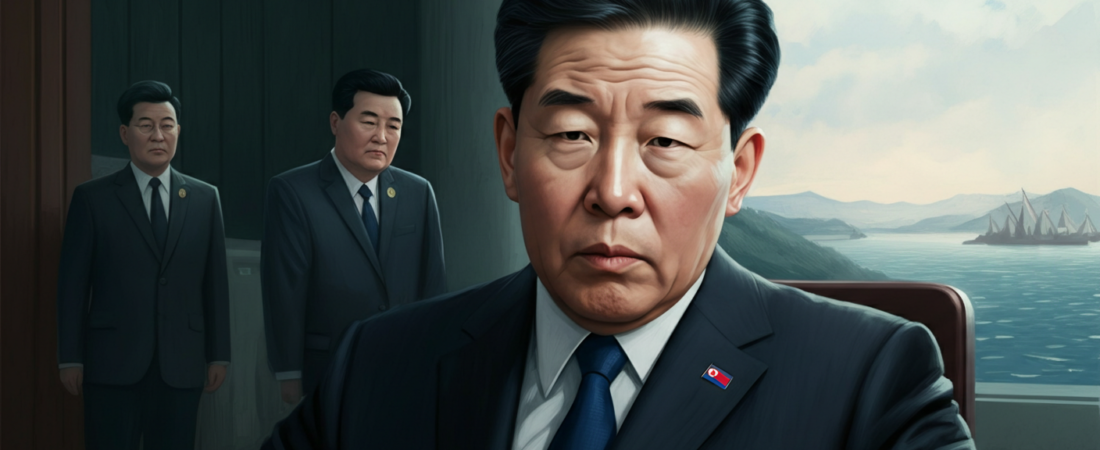
North Korea faces serious economic pressure. International sanctions have cut off many trade routes. China remains one of the few reliable partners left for Pyongyang, which makes every trade discussion between the two countries meaningful.
Agriculture came up specifically in the Pak Tae-song and Li Qiang talks. Why does farming matter so much here? North Korea has struggled with food shortages for years, and Chinese agricultural support could ease some of that pressure directly.
Construction cooperation also appeared on the agenda. Infrastructure projects require materials, expertise, and funding that North Korea often lacks on its own. China has both the resources and the strategic interest to help fill that gap.
Healthcare and education might seem like softer topics compared to trade deals. But these areas build long-term trust between nations. A student trained in China or a doctor working with Chinese medical teams creates human connections that outlast any single political agreement.
Analysts who track North Korea-China relations note a pattern here. Beijing tends to offer support that keeps Pyongyang stable, without pushing for reforms that might destabilize the regime. This approach protects China’s own regional interests while keeping North Korea afloat economically.
For readers who want deeper background on the historical treaty and past diplomatic exchanges, Yonhap News Agency offers additional context on this evolving relationship.
What This Means for the Future of North Korea-China Relations
Where does this leave North Korea-China relations heading into the rest of the decade? The signals point toward continued closeness, not distance. Both governments have strong reasons to keep this partnership active and visible.
China gains a buffer state on its northeastern border. North Korea gains an economic lifeline and diplomatic cover on the world stage. Neither side benefits from public friction, so expect more coordinated messaging in the months ahead.
Will this partnership change how North Korea engages with the rest of the world? Probably not dramatically, at least not in the short term. But steady, quiet cooperation in trade, agriculture, and education could gradually strengthen Pyongyang’s economic footing.
For global observers, this matters beyond just regional politics. North Korea-China relations directly affect how sanctions function, how aid flows, and how stable the Korean Peninsula remains overall. A stronger Beijing-Pyongyang partnership can blunt the effect of international pressure campaigns.
South Korean policymakers watch these developments closely too. Every step forward in North Korea-China relations shifts the balance of leverage in future negotiations. Seoul cannot ignore what happens between its northern neighbor and its largest trading partner.
History shows us that treaties outlive the leaders who sign them. This 65-year-old agreement between North Korea and China continues to shape decisions made in Beijing and Pyongyang today. What do you think about how a decades-old treaty still guides major foreign policy decisions in 2025?


Leave a Reply