Table of Contents
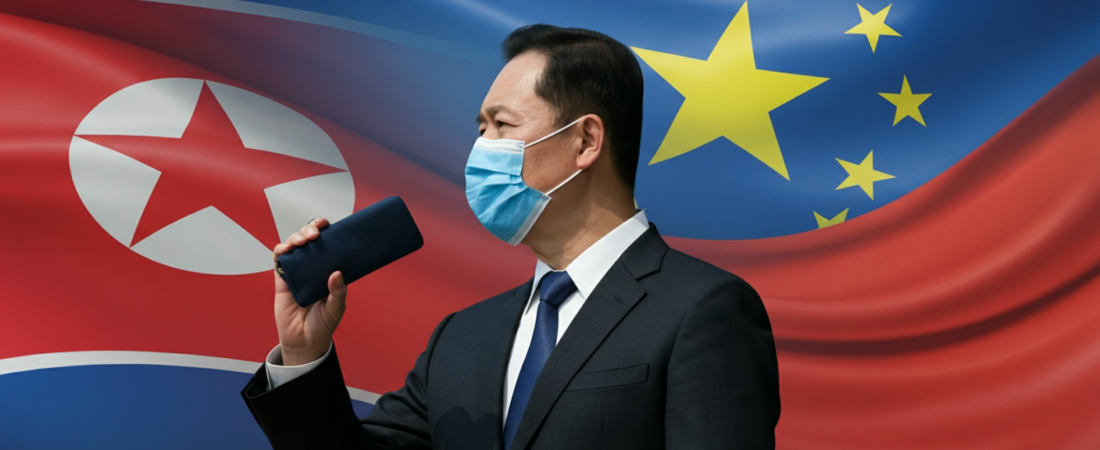
Can two countries stay close allies for 65 years and still find new reasons to meet? That question sits at the heart of the latest chapter in North Korea-China relations. This week, North Korean Premier Pak Thae-song traveled to China, and the timing was no accident.
His visit marked the 65th anniversary of the Treaty of Friendship, Cooperation, and Mutual Assistance between the two countries. That’s not a small number. Few alliances in modern history last that long without major shifts in tone or direction.
A High-Level Visit Marks a Milestone
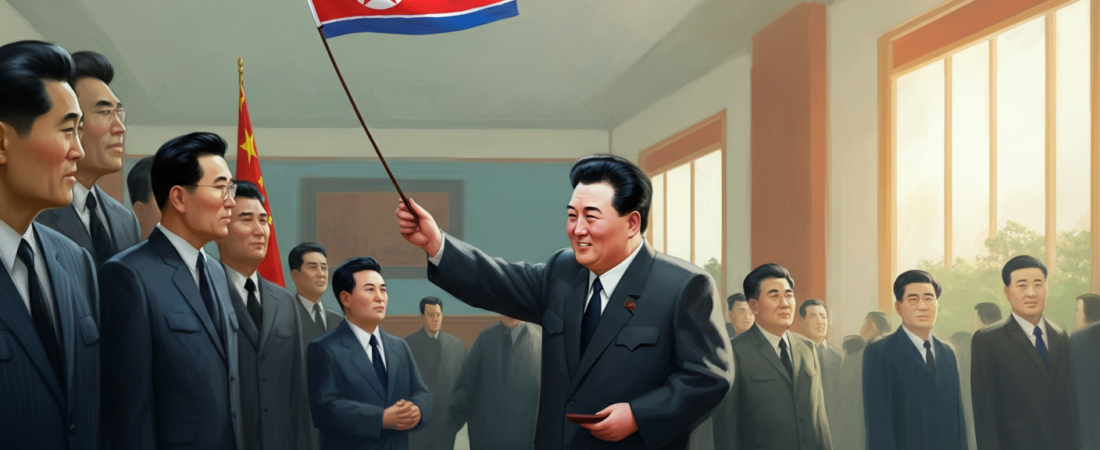
Pak Thae-song met with Chinese Premier Li Qiang in Beijing, and the meeting carried real diplomatic weight. This wasn’t a routine courtesy call. It was a carefully timed event designed to reaffirm the strength of North Korea-China relations at a symbolic moment.
Why does the timing matter so much? Anniversaries in diplomacy are rarely just ceremonial. Governments use them to send signals — to each other, and to the wider world — about where a relationship stands.
By choosing this specific anniversary for a premier-level visit, Pyongyang and Beijing made their intentions clear. They wanted to show continuity, not just history. North Korea-China relations, in this framing, are less about nostalgia and more about ongoing strategic alignment.
You might wonder why a premier — not the top leader — made this trip. In diplomatic practice, premier-level visits often handle the practical, economic side of a relationship. Leader-to-leader summits, like the one between Kim Jong-un and Xi Jinping, set the big political direction. Premier visits then carry out the follow-up work.
The 65-Year-Old Treaty Behind North Korea-China Relations
Let’s rewind for a moment. The treaty being celebrated dates back to 1961, signed during the Cold War’s early tension-filled years. It bound North Korea and China together through mutual defense commitments and pledges of cooperation.
Few treaties from that era still get formal anniversary celebrations today. Most Cold War-era pacts have faded, replaced by newer frameworks or simply forgotten. The fact that this one still matters says something about how North Korea-China relations have been built to last.
Historically, China has been North Korea’s most important economic and diplomatic partner. Sanctions from the international community, especially after North Korea’s nuclear tests, pushed Pyongyang even closer to Beijing. Without Chinese trade and support, North Korea’s economy would face far greater strain.
For readers unfamiliar with the region’s history, think of this treaty as the diplomatic backbone connecting two governments through decades of global change. The Korean War ended in 1953. Just eight years later, this treaty formalized a bond that has survived leadership changes, economic reforms, and shifting global power balances.
That kind of endurance doesn’t happen by accident. It reflects a deliberate choice by both governments to keep North Korea-China relations stable, even when the rest of the world was changing rapidly around them.
What Both Sides Actually Discussed
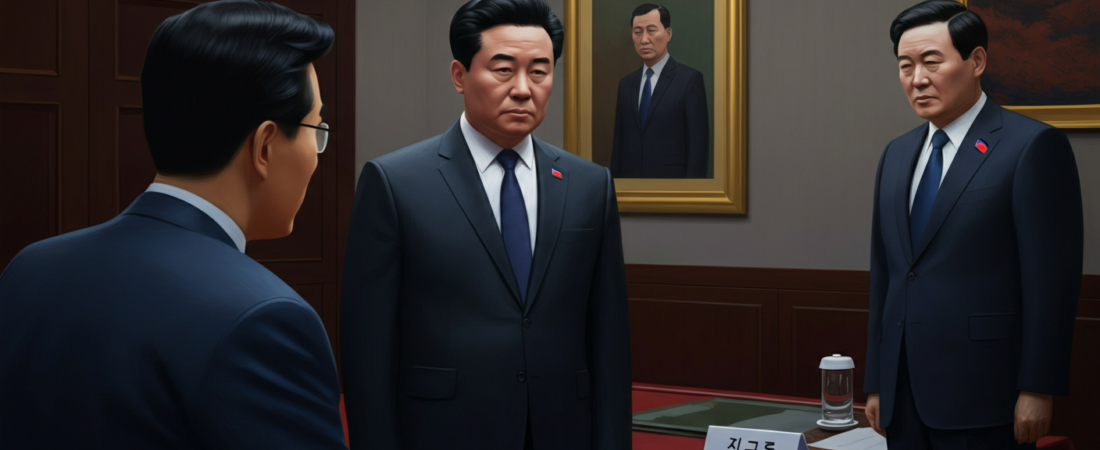
So what did Pak Thae-song and Li Qiang actually talk about? The conversation covered a wide range of sectors — economy, trade, agriculture, construction, medical care, and education. That’s a broad agenda for a single meeting.
Why cover so much ground at once? Because North Korea-China relations today aren’t just about politics or military alliance. They’re increasingly about practical cooperation that touches everyday life.
Agriculture cooperation, for example, speaks directly to North Korea’s ongoing food security challenges. Construction and medical partnerships suggest China’s continued role in helping build infrastructure and healthcare capacity inside North Korea. Education exchanges point toward longer-term relationship building, the kind that shapes future generations of officials and professionals.
Both sides also referenced the need for follow-up on the Kim Jong-un-Xi Jinping summit. This detail tells you something important. High-level agreements between top leaders don’t implement themselves — they require sustained diplomatic work at lower levels of government.
Pak Thae-song and Li Qiang’s meeting functioned as one of those implementation steps. Officials called for stronger high-level exchanges and deeper strategic communication going forward. That phrase — strategic communication — matters more than it might first appear.
It signals that both governments plan regular, ongoing dialogue rather than occasional, symbolic contact. For a relationship as consequential as North Korea-China relations, that kind of structured communication reduces the risk of misunderstanding or miscalculation. Readers interested in tracking how these diplomatic patterns evolve can find helpful analysis through outlets like Yonhap News Agency, which regularly covers regional security and diplomacy developments.
Why This Matters for the Region’s Future
Should the rest of the world pay closer attention to this? Absolutely, and here’s why. North Korea-China relations directly shape security dynamics across Northeast Asia, including how South Korea, Japan, and the United States respond to regional tensions.
When China deepens economic cooperation with North Korea, it affects the practical impact of international sanctions. Trade and investment flowing between the two countries can soften pressure that other nations are trying to apply through diplomatic channels. That reality complicates efforts by Washington and Seoul to influence Pyongyang’s behavior through economic isolation alone.
There’s also a broader geopolitical angle worth considering. China’s relationship with North Korea gives Beijing significant leverage in regional negotiations. Whenever discussions arise about denuclearization or peace talks, China’s voice carries extra weight because of this long-standing alliance.
For South Korea specifically, understanding North Korea-China relations isn’t optional — it’s essential context. Seoul’s own foreign policy decisions, whether about inter-Korean dialogue or alliance management with Washington, must account for how closely Pyongyang and Beijing coordinate. Ignoring this dynamic would mean missing half the picture.
Looking ahead, expect more anniversary-driven diplomatic activity between these two countries. Treaties like this one create built-in opportunities for renewed engagement every few years. As global tensions shift and new economic pressures emerge, North Korea-China relations will likely keep adapting rather than staying static.
What does this mean for ordinary readers outside the region? It means the balance of power in Northeast Asia isn’t determined solely by Washington, Seoul, or Tokyo. Beijing and Pyongyang continue writing their own chapter, on their own terms, and the rest of the world needs to keep reading closely.
So here’s a question worth sitting with: as China and North Korea deepen cooperation across trade, agriculture, and education, how should South Korea and its allies adjust their own strategic approach? What do you think about the durability of North Korea-China relations in today’s shifting global landscape?


Leave a Reply