Table of Contents
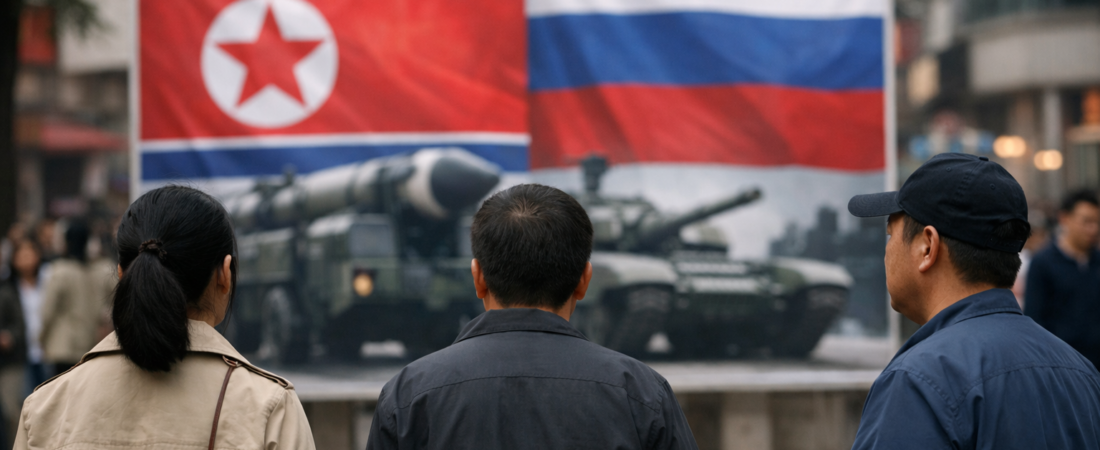
What happens when two isolated powers decide to lock arms for the next hundred years? That’s essentially what just occurred in Moscow. North Korea-Russia relations took another significant step forward, and the implications stretch far beyond a single diplomatic meeting.
North Korea’s Foreign Minister Choe Son-hui traveled to Moscow for a third round of strategic talks with her Russian counterpart, Sergey Lavrov. The two sides didn’t just exchange pleasantries. They committed to expanding cooperation across nearly every field imaginable, framing it as a long-term project meant to outlast both current governments.
What Happened in Moscow This Week
Choe Son-hui and Sergey Lavrov sat down for their third strategic dialogue since this diplomatic channel began. This wasn’t a casual check-in. Both foreign ministers used the phrase “hundred-year plan” to describe their vision for North Korea-Russia relations, signaling a commitment that goes well beyond short-term politics.
Before the formal talks even began, Choe met privately with Russian President Vladimir Putin. That meeting alone tells you something important. When a foreign minister gets face time with the head of state a day before official talks, it usually means the relationship carries real weight at the highest levels.
This marked Choe’s first visit to Russia in roughly nine months. Nine months is a long gap in diplomatic terms, especially for two countries that claim to be strengthening ties. Doesn’t that timing raise a question worth asking? Why now, and what changed to bring her back to Moscow at this particular moment?
The two nations agreed to keep high-level visits flowing regularly. They also pledged to coordinate diplomatic positions on international issues, essentially promising to back each other publicly on the world stage. For readers watching North Korea-Russia relations from abroad, this coordination signals something bigger than routine diplomacy—it points toward a functioning alliance structure.
The Backstory Behind North Korea-Russia Relations
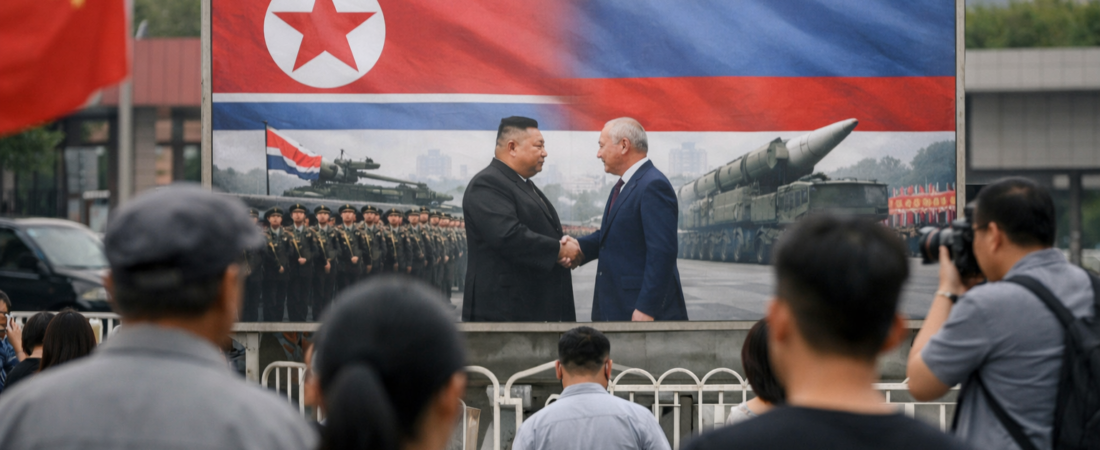
To understand why this meeting matters, you need context. North Korea-Russia relations have deep roots going back to the Cold War, when the Soviet Union helped establish North Korea’s regime after 1948. That relationship cooled significantly after the Soviet collapse in 1991, leaving North Korea more isolated than ever.
Fast forward to the past few years, and everything changed. Russia’s war in Ukraine created new pressures and new opportunities for Moscow. North Korea, facing its own economic struggles under heavy sanctions, found itself with something Russia desperately needed: military supplies and, according to multiple international reports, troops.
This transactional relationship evolved quickly. What started as reported arms shipments grew into formal treaties, mutual defense commitments, and now, this “hundred-year plan” language. Isn’t it remarkable how fast a relationship can shift from quiet cooperation to open strategic partnership?
Kim Jong-un and Putin have met multiple times since 2023, each meeting producing stronger public commitments. The Moscow talks between Choe and Lavrov build directly on that foundation. North Korea-Russia relations didn’t happen overnight—they grew out of shared isolation, shared adversaries, and increasingly aligned interests on the global stage.
Reading Between the Lines: What “Hundred-Year Plan” Really Means
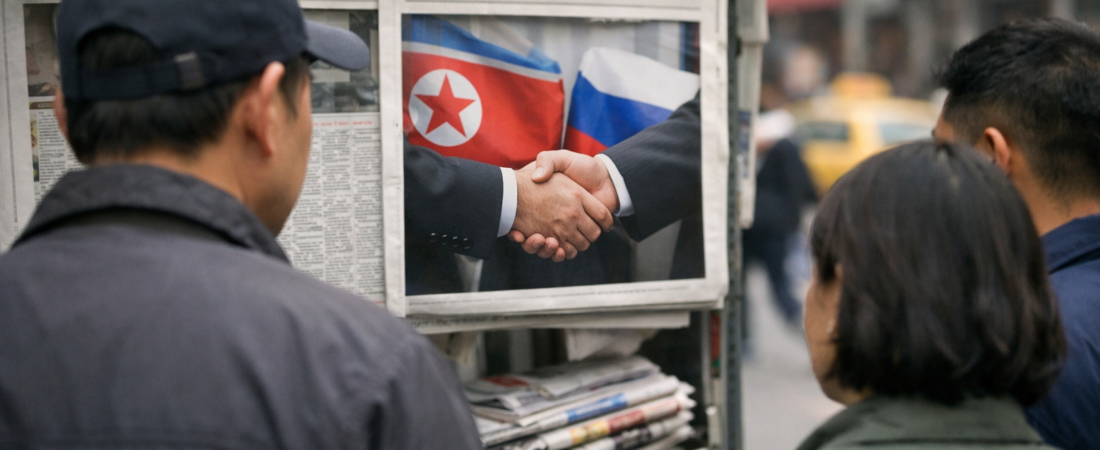
Words matter in diplomacy, and “hundred-year plan” is a carefully chosen phrase. It signals permanence. It tells both domestic and international audiences that this partnership isn’t a temporary wartime arrangement tied to Ukraine.
Think about what a hundred-year commitment actually requires. It means building institutional ties that survive leadership changes. It means creating economic dependencies that outlast any single conflict. North Korea-Russia relations, framed this way, start to look less like opportunistic cooperation and more like a genuine long-term alliance.
The agreement to maintain “strategic communication” on high-level exchanges, multi-sector cooperation, and diplomatic coordination isn’t vague filler language either. Each element points to concrete action. High-level exchanges mean more leader visits. Multi-sector cooperation likely includes energy, technology, and possibly space programs, areas where Russia has expertise North Korea badly wants.
Diplomatic coordination on international issues is perhaps the most consequential piece. It means North Korea and Russia will increasingly vote together, speak together, and defend each other at forums like the United Nations. For anyone tracking global power shifts, this coordination between two sanctioned states deserves close attention.
You might wonder how sustainable this really is. Can two countries with such different economies and populations maintain equal partnership for decades? Skeptics argue Russia benefits far more in the short term, using North Korean weapons and manpower while offering technology transfers that could take years to materialize.
Still, both sides seem determined to project confidence. Public statements of mutual support, repeated across multiple meetings now, aren’t just for show. They’re designed to convince domestic audiences and international observers alike that North Korea-Russia relations have entered a new, more durable phase.
Why This Matters for the Korean Peninsula and Beyond
So why should readers outside Korea and Russia care about any of this? Because North Korea-Russia relations directly affect the security balance on the Korean Peninsula. A more confident, better-supplied North Korea changes the calculus for South Korea, the United States, and Japan.
Consider the technology transfer angle. If Russia shares satellite, submarine, or missile technology in exchange for North Korean support, Pyongyang’s military capabilities could advance faster than sanctions were ever designed to prevent. That’s not a minor detail—it’s a fundamental challenge to the entire international sanctions regime built over the past two decades.
There’s also the diplomatic dimension. When North Korea and Russia coordinate positions at the UN Security Council, they can block or dilute international responses to Pyongyang’s nuclear and missile programs. Combined with China’s frequent abstentions or vetoes, this creates a bloc that increasingly limits what the international community can actually do.
According to reporting from Yonhap News Agency, this latest round of talks reinforces a pattern that started forming after 2023. Each subsequent meeting adds another layer of formal commitment. What began as wartime necessity for Russia is hardening into structural policy for both governments.
For South Korea specifically, this trend complicates an already difficult security environment. Seoul has to balance its own alliance with Washington while watching Pyongyang gain a powerful new patron. Doesn’t this put additional pressure on South Korea to strengthen its own deterrence and diplomatic options?
Looking ahead, expect more high-level visits between North Korea and Russia in the coming months. The “hundred-year plan” framing suggests neither side plans to slow down anytime soon. North Korea-Russia relations will likely keep evolving from military cooperation toward broader economic and technological partnership, reshaping regional dynamics in ways the world is only beginning to understand.
What do you think about this deepening bond between North Korea and Russia, and how do you think it will reshape security on the Korean Peninsula in the years ahead?
AI-Generated Photorealistic Image — All people, scenes, and details in this image are entirely AI-generated and fictional. Not a real photograph of an actual person or event. 이 이미지는 AI로 생성된 가상 이미지입니다.


Leave a Reply