Table of Contents
Why would North Korea publicly admit that one of its own top officials stole money and took bribes? That’s exactly what just happened. And honestly, it’s not something this secretive regime does very often.
North Korea rarely airs its dirty laundry. Yet this week, state media confirmed a major corruption scandal involving a senior military official. The story tells us a lot about how power really works inside North Korea today.
What Happened: North Korea’s Rare Public Corruption Confession
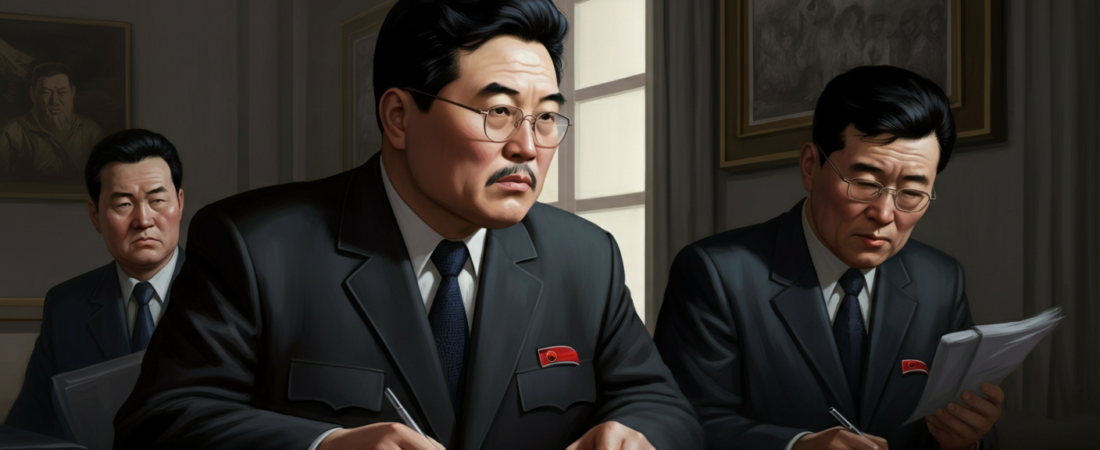
Kim Jong-un attended a joint meeting of the party, government, and military. During this session, North Korean officials revealed a corruption case involving a former senior figure in the Korean People’s Army. This wasn’t a quiet internal memo — it went straight to Korean Central News Agency, the state’s official mouthpiece.
According to the report, the official abused his authority over personnel and cadre appointments. He allegedly accumulated illegal wealth and accepted large bribes. For North Korea, publicly naming and shaming a high-ranking figure like this is unusual.
Why does the timing matter here? North Korea typically handles internal discipline behind closed doors, using secrecy as a tool of control. Announcing this case openly suggests Kim Jong-un wants the entire system to feel the message, not just a small circle of insiders.
This move fits a pattern researchers have tracked for years. North Korea occasionally uses public confessions or accusations to send warnings throughout the bureaucracy. Think of it as a controlled leak — carefully chosen, carefully timed, and never accidental.
Who Is Park Hui-cheol, and Why Does His Fall Matter?
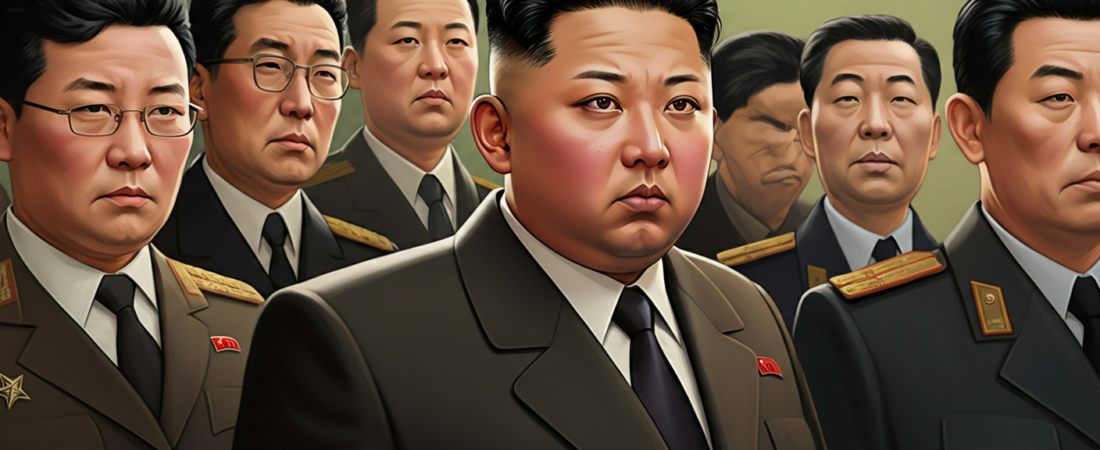
The official at the center of this scandal is Park Hui-cheol. He served as Deputy Director of the Organization Department within the General Political Bureau of the Korean People’s Army. That’s not a minor post — it’s one of the most sensitive jobs in the entire military hierarchy.
The Organization Department controls personnel decisions across the military. It decides who gets promoted, who gets sidelined, and who gets watched. Whoever holds that power essentially controls careers and loyalties throughout the armed forces.
Park Hui-cheol reportedly used this control for personal gain. He allegedly manipulated appointments and cadre placements in exchange for money. Some reports describe the bribes involved as substantial sums, not small favors here and there.
Have you ever wondered how corruption survives inside such a tightly controlled state? North Korea often looks like a system with no cracks from the outside. But wherever humans control scarce resources — like career advancement or military rank — opportunities for corruption tend to follow, even under strict authoritarian rule.
This case also shows something deeper about trust and access in North Korea. Park Hui-cheol wasn’t some low-level bureaucrat skimming small amounts. He sat close to real power, controlling appointments that shaped the military’s inner circle.
Kim Jong-un’s Anti-Corruption Campaign Inside North Korea
Kim Jong-un didn’t just announce the scandal — he framed it as a lesson for the entire system. He reportedly called for stronger “education, control, and legal struggle” against corruption. That phrase covers ideology training, tighter surveillance, and harsher legal punishment, all at once.
This isn’t Kim Jong-un’s first anti-corruption push. North Korea has cycled through similar campaigns before, often following major political events or power consolidations. Each wave tends to target officials seen as too independent or too wealthy for comfort.
So why launch this campaign now? North Korea faces serious economic pressure from international sanctions and border restrictions. When resources become scarce, corruption at the top becomes far more visible — and far more dangerous to public trust.
Kim Jong-un has spent years trying to project an image of disciplined, centralized control. A senior official secretly enriching himself directly threatens that image. By exposing Park Hui-cheol publicly, Kim Jong-un signals that no one stands above scrutiny, not even those inside the military’s inner circle.
Historically, North Korea has used purges to reshape its elite structure. The 2013 execution of Jang Song-thaek, once considered the second most powerful man in the country, remains the most famous example. This latest case is smaller in scale, but it follows a familiar script: expose wrongdoing, invoke discipline, and reinforce loyalty through fear.
What This Purge Reveals About North Korea’s Power Structure
What does this scandal really tell global observers about North Korea? First, it confirms that corruption exists even in the most controlled institutions. Second, it shows Kim Jong-un actively using public exposure as a governance tool, not just quiet punishment.
North Korea’s military remains the backbone of the entire political system. Any weakness inside the General Political Bureau raises questions about broader discipline problems. If corruption reached this level, how many similar cases remain hidden from public view?
This event also matters for how outside analysts read North Korea’s internal stability. Frequent public corruption cases can signal growing anxiety at the top. Kim Jong-un may be tightening control precisely because he senses cracks forming beneath the surface.
For readers outside Korea, this story offers a rare window into an otherwise closed system. North Korea controls almost all information about its internal affairs. When it chooses to reveal something like this, the message is deliberate — and worth watching closely.
Going forward, expect North Korea to continue framing corruption crackdowns as loyalty tests. Kim Jong-un benefits from appearing tough on internal enemies, especially during periods of economic strain. Whether this campaign leads to real structural change or simply reshuffles loyal officials remains an open question.
North Korea’s political system rewards obedience above almost everything else. Corruption scandals like this one give Kim Jong-un a convenient reason to remove rivals while appearing principled. As sanctions and isolation continue to strain North Korea’s economy, don’t be surprised if more of these cases surface in the months ahead.
What do you think — does this public admission signal real reform inside North Korea, or just another round of political theater?

Leave a Reply