Table of Contents
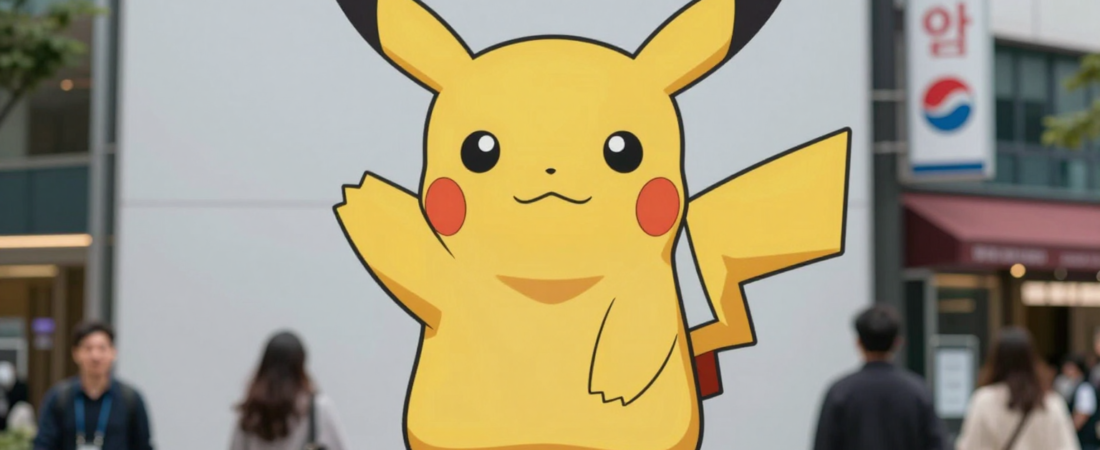
A single rare Pokemon card recently sold for 3.2 million won, and one auction lot reached an astonishing 23 billion won. What used to sit in a childhood toy box is now traded like fine art or luxury goods. Pokemon cards have officially entered the world of alternative investment.
Does that sound strange to you? A cartoon monster printed on cardboard, worth more than a used car, or even a house in some cases.
Welcome to the world of “Poke-tech,” a playful blend of Pokemon and jaetech, the Korean term for personal wealth-building strategies. It joins a growing list of unconventional assets Koreans now chase, alongside idol photocards and limited sneakers.
Pokemon Card Prices Are Breaking Records
Let’s start with the numbers, because they tell a striking story. According to reporting from Maeil Business Newspaper, certain rare Pokemon cards now trade for millions of won per piece.
One especially scarce card reportedly reached an auction price of 23 billion won. That number is not a typo, and it puts the card in the same conversation as fine art masterpieces or vintage sports memorabilia.
Why would a trading card command that kind of money? Scarcity is the answer, plain and simple.
Limited print runs, printing errors, and discontinued sets create instant rarity. Once a card is gone from production, no new supply can ever appear again. That permanent scarcity, combined with rising global demand, pushes prices upward fast.
This is not entirely new territory for collectibles. Baseball cards, comic books, and vintage toys have followed similar patterns for decades. But the speed at which Pokemon cards have climbed in value, especially in Korea over the past few years, has caught even seasoned collectors off guard.
Why Pokemon Cards Became a Real Investment
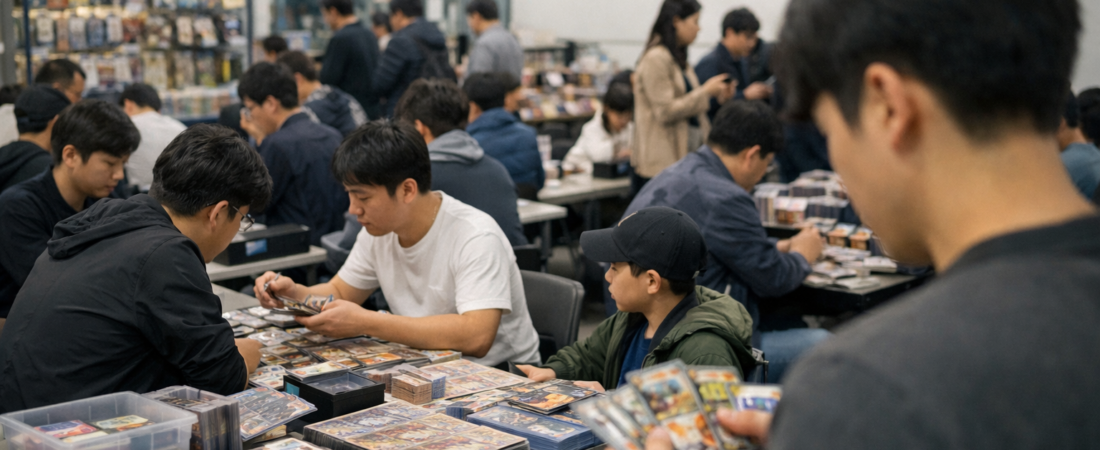
Traditional investment options feel shaky to a lot of young Koreans right now. Stock markets swing unpredictably, real estate remains out of reach for many, and interest rates offer little comfort. So where does extra cash go instead?
Increasingly, it goes into tangible collectibles like Pokemon cards. Unlike stocks, a physical card can be held, displayed, graded, and shown off. There’s an emotional payoff that a spreadsheet number simply cannot match.
Grading services now authenticate and rate card condition, similar to how coins or comic books get certified. A perfect grade can multiply a card’s resale value overnight. This professionalized grading system has turned casual collecting into something closer to serious asset management.
Think about it this way: imagine if your childhood baseball card collection suddenly needed a stock ticker. That’s essentially what has happened to Pokemon cards over the last few years.
Nostalgia plays a huge role here too. Many buyers grew up watching Pokemon on television or trading cards on playgrounds decades ago. Now, with disposable income as adults, they’re reclaiming that childhood joy while hoping the cards appreciate in value.
Celebrities and the New Collector Economy
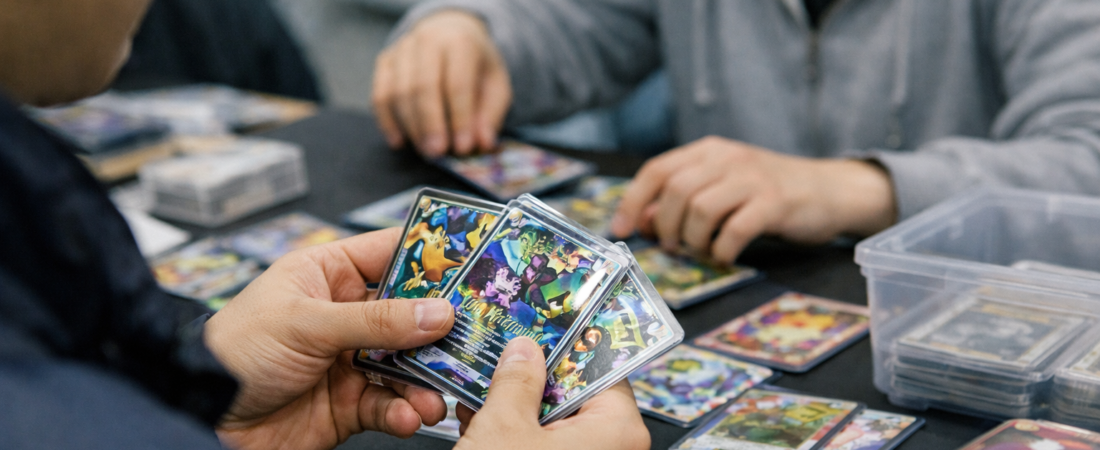
Here’s where things get culturally interesting for Korea specifically. Idol photocards have long been a booming secondary market among K-pop fans, sometimes selling for hundreds of dollars each. Now Pokemon cards are following that exact same commercial pattern.
Korean celebrities have started publicly showing off their own Pokemon card collections. When a well-known entertainer displays a rare card, public interest and resale demand tend to spike almost immediately. This mirrors how a single idol wearing a fashion brand can sell out inventory within hours.
Have you noticed how celebrity endorsement shapes nearly every collectible market these days? It’s not unique to Korea, but Korean fan culture amplifies the effect dramatically.
The line between fandom, nostalgia, and financial speculation keeps getting blurrier. A Pokemon card can now be a childhood memory, a status symbol, and an investment vehicle all at once. That combination is exactly what makes this trend so powerful, and also a bit unpredictable.
What This Means for Everyday Investors
Should you rush out and buy Pokemon cards with your savings? Let’s slow down and think about this honestly, together.
Collectible markets can be thrilling, but they carry real risk that stocks and bonds simply don’t share. There’s no dividend, no earnings report, and no regulatory body protecting buyers from fraud or fake grading certificates. Prices rise on hype, and hype can fade just as quickly as it arrives.
At the same time, there’s something genuinely human about this trend worth noticing. People are choosing to invest in things that carry memory and meaning, not just abstract numbers on a screen. That desire to hold onto joy, even while chasing profit, says something honest about what people actually value.
But we should be careful not to romanticize this too much either. The same market that rewards a handful of early collectors can leave many latecomers holding overpriced cardboard with no buyer in sight. Real financial harm happens when nostalgia gets marketed as guaranteed wealth, especially to younger buyers with limited savings to lose.
The encouraging part is that awareness is growing alongside the hype. Financial commentators and even some collectors themselves are now urging buyers to treat Pokemon cards as a passion purchase first, an investment second. That shift in framing, from “sure bet” to “informed hobby,” may be exactly what keeps this market healthy rather than reckless.
Pokemon cards probably won’t replace real estate or retirement accounts anytime soon, and that’s actually fine. They represent something else: a reminder that value isn’t only about spreadsheets, but also about story and memory. Korea’s collector economy, from photocards to Pokemon, will likely keep evolving as new generations decide what nostalgia is worth to them.
What do you think, would you ever consider Pokemon cards a legitimate part of your investment portfolio?
AI-Generated Photorealistic Image — All people, scenes, and details in this image are entirely AI-generated and fictional. Not a real photograph of an actual person or event. 이 이미지는 AI로 생성된 가상 이미지입니다.



Leave a Reply