Table of Contents
A Warm Embrace in Brasília
What does a hug between two presidents really tell you? Sometimes, it tells you everything. President Lee Jae-myung and Brazilian President Luiz Inácio Lula da Silva greeted each other with a warm embrace at the Planalto Presidential Palace in Brasília, and that gesture set the tone for the entire summit.
This was not a cold, formal handshake between distant leaders. It was the reunion of two men who had already built a rapport, having met just a month earlier at the G7 summit in June. President Lee Jae-myung’s visit to Brazil marks a deliberate effort to deepen ties with Latin America’s largest economy.
Even the spouses joined the welcoming ceremony, adding a personal touch to a meeting with serious economic stakes. You might wonder why this detail matters. In diplomacy, small gestures often signal big intentions, and this one suggested both governments wanted more than a photo opportunity.
Why This Reunion Matters: Context Behind the Summit
Korea and Brazil have not always been top priorities for each other. Historically, Korea’s diplomatic energy focused heavily on the United States, China, and Japan. Brazil, meanwhile, often looked toward its regional neighbors and traditional Western partners.
So why the sudden warmth now? Global supply chains are shifting fast, and both nations see opportunity in each other. President Lee Jae-myung understands that Korea’s export-driven economy needs new markets and stable resource partners beyond its usual circle.
Brazil, for its part, holds enormous natural wealth that the world increasingly wants. Under President Lula, Brazil has pursued a foreign policy that balances relationships across multiple blocs, from BRICS to individual bilateral deals with countries like Korea. This meeting between President Lee Jae-myung and President Lula fits neatly into that broader strategy.
Think about the timing too. Coming just weeks after their G7 encounter, this Brasília summit shows real momentum rather than a one-off courtesy visit. Diplomatic relationships rarely deepen this quickly without genuine mutual interest driving them forward.
Critical Minerals: The Real Prize on the Table
Here is the question every analyst should be asking: why does a mineral-rich country in South America matter so much to Korea right now? The answer lies in rare earth elements and critical minerals. These materials power everything from electric vehicle batteries to semiconductors, and Korea’s tech giants depend on stable access to them.
President Lee Jae-myung’s government has made supply chain security a top priority, especially after recent global disruptions exposed how vulnerable single-source dependencies can be. Brazil possesses significant reserves of rare earths and other strategic minerals, making it an attractive partner for diversification. This summit reportedly included direct discussion of cooperation frameworks on these very resources.
Why should everyday readers care about rare earth minerals? Because they sit inside your smartphone, your electric car, and your laptop battery. When President Lee Jae-myung negotiates mineral supply agreements, he is essentially securing the raw materials behind future Korean technology exports.
For readers who want deeper background on global mineral supply chain dynamics, resources like Yonhap News Agency offer useful context on how nations are racing to lock in these partnerships. Korea is far from alone in this race. China, the United States, and the European Union are all courting Brazil for similar reasons, which makes this diplomatic win, if finalized, particularly significant for Korea’s competitive position.
Reviving the Korea-Mercosur Trade Agreement
Trade agreements rarely make headlines, but they quietly shape everyday prices and job markets. The Brasília summit reportedly touched on restarting negotiations for a Korea-Mercosur trade agreement, a deal that has stalled and restarted multiple times over the years. Mercosur includes Brazil, Argentina, Paraguay, and Uruguay, representing a substantial regional market.
Why has this agreement taken so long to finalize? Trade deals involving multiple countries always face competing agricultural, industrial, and political interests. Korean automakers and electronics firms want easier access to South American consumers, while Mercosur agricultural exporters want reduced tariffs on beef, soybeans, and other products entering Korea.
President Lee Jae-myung reviving this conversation signals renewed Korean interest in expanding beyond traditional Asian and North American trade partners. Does this mean a finalized deal is imminent? Not necessarily, but restarting stalled negotiations after years of inactivity suggests genuine political will on both sides.
Consider the bigger picture here. Korea already maintains free trade agreements with the United States, the European Union, and various Asian partners. Adding a Mercosur agreement would round out Korea’s trade network, giving Korean companies a foothold in a South American market of roughly 260 million people.
President Lee Jae-myung’s Brasília visit therefore represents more than symbolic diplomacy. It reflects calculated economic strategy wrapped in warm personal rapport between two leaders. The embrace at the palace gate was genuine, but the substance behind closed doors carried real weight for Korea’s economic future.
Looking Ahead: What This Summit Signals
Where does this leave Korea’s broader foreign policy direction? President Lee Jae-myung appears to be pursuing a diversification strategy, reducing overreliance on any single region for critical resources or trade partnerships. Brazil offers both raw materials and market access, making it a natural target for this approach.
Will the rare earth cooperation and Mercosur talks produce concrete results soon? That remains uncertain, since large multilateral trade deals often take years to finalize. Still, the fact that President Lee Jae-myung prioritized this bilateral relationship so early in his term tells you something about his administration’s priorities.
Korea’s economy runs on global connections, and securing those connections requires constant diplomatic effort. This Brasília summit, warm hug included, shows President Lee Jae-myung actively building the relationships Korea will need for the next decade. What do you think about Korea’s growing outreach to South America under President Lee Jae-myung?
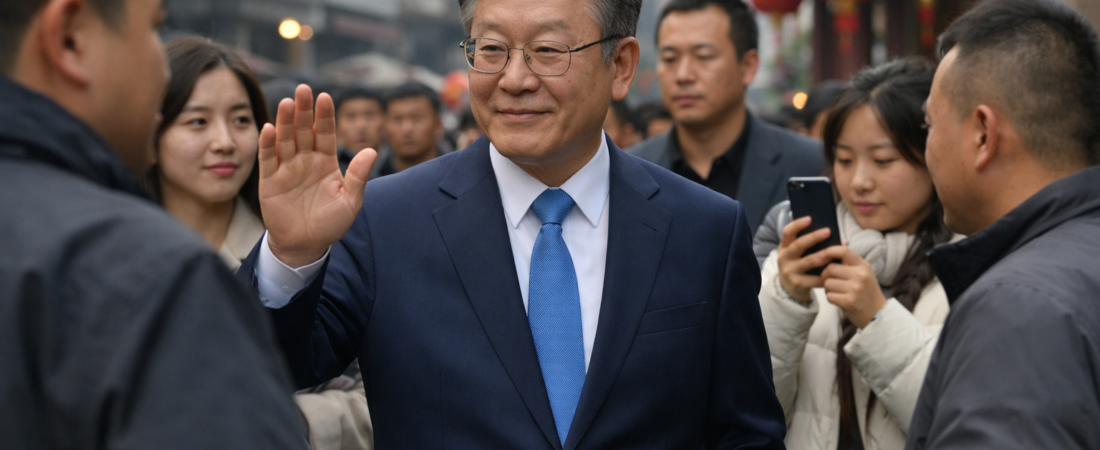
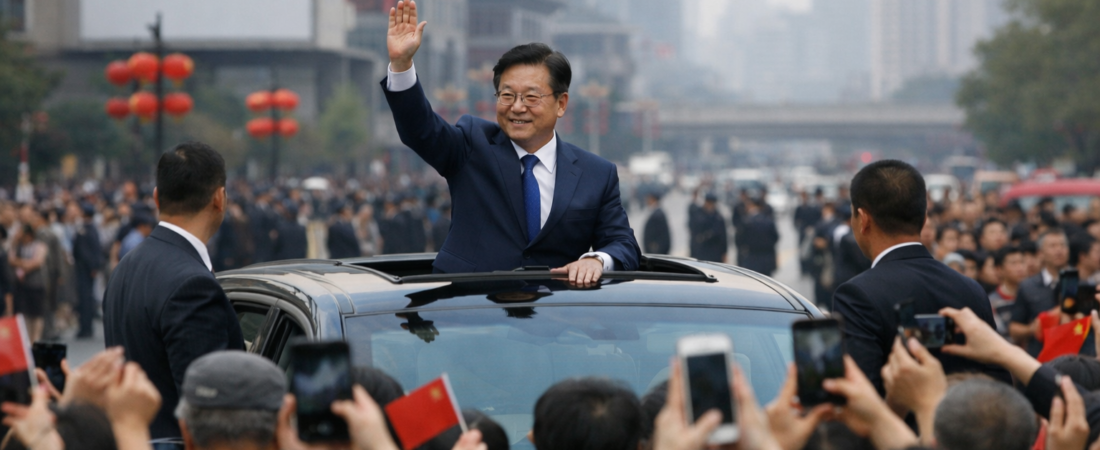
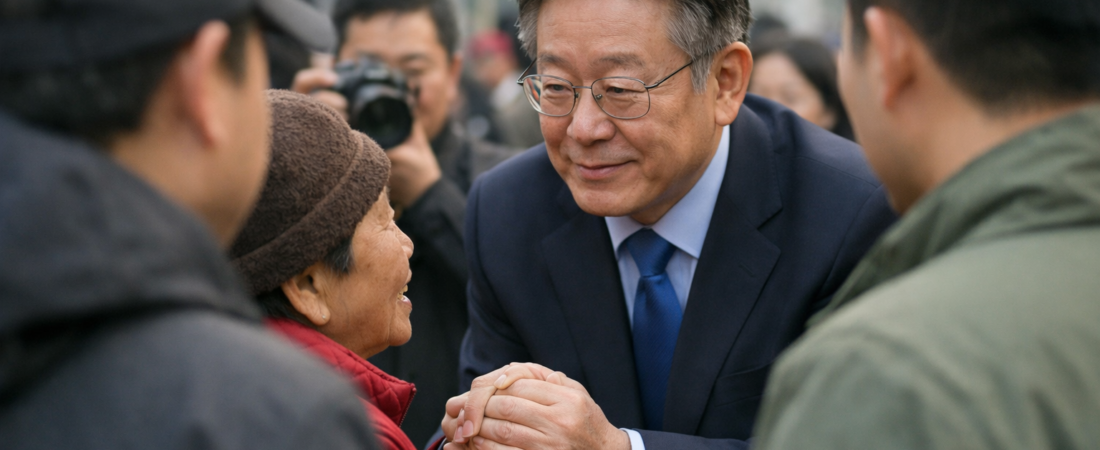
AI-Generated Photorealistic Image — All people, scenes, and details in this image are entirely AI-generated and fictional. Not a real photograph of an actual person or event. 이 이미지는 AI로 생성된 가상 이미지입니다.