Table of Contents
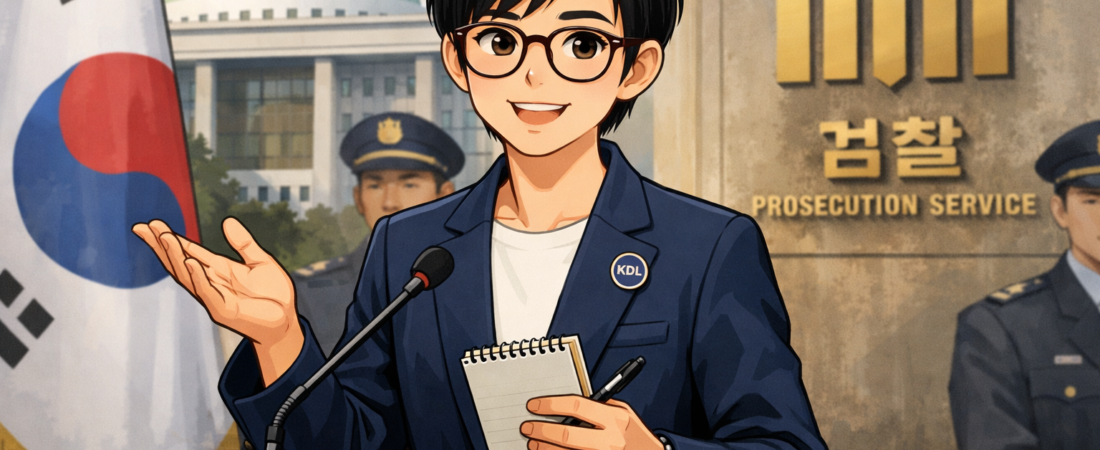
Can one small legal power decide the future of an entire justice system? In Korea right now, lawmakers are fighting over exactly that question. The battle centers on prosecutorial reform, and specifically on whether prosecutors should keep their “supplementary investigation” authority over police cases.
This might sound like a technical legal detail. But it touches something bigger: who controls criminal investigations in Korea, and how much power any single institution should hold. Let’s break down why this fight matters, and why both sides believe they are protecting the public.
What’s Really at Stake in Korea’s Prosecutorial Reform Fight
To understand this debate, you need a little history. Korea has spent years reshaping the relationship between its prosecutors and police.
Back in 2020 and 2022, lawmakers passed sweeping changes known informally as the “prosecution-police divorce.” These laws stripped prosecutors of most direct investigation powers and gave police primary authority over criminal cases. But there was a compromise built into that system.
Prosecutors kept one narrow tool: the right to request supplementary investigation when they believed police work was incomplete. This is the exact power now at the center of the fight. Remove it, and you remove one of the last checks prosecutors have over police-led investigations.
Supporters of keeping this authority say it prevents sloppy or rushed police work from slipping through the cracks. Critics say it lets prosecutors quietly reassert control they were supposed to lose. Both arguments carry real weight, and that’s exactly why the debate over prosecutorial reform has become so heated.
Why the People Power Party Wants to Keep the Safety Net
The People Power Party is pushing back hard against full abolition. Their argument is simple: without supplementary investigation rights, who checks the police?
Party members argue that Korea’s police force, while professional, still needs oversight on serious cases. Removing prosecutors’ supplementary authority, they say, eliminates the last meaningful safeguard in the system. Is that a fair concern, or political resistance to further prosecutorial reform? It may be both.
Conservative lawmakers frame this as a matter of public safety, not institutional turf war. They point out that investigation mistakes can ruin lives — wrongful suspicion, mishandled evidence, or overlooked details. A supplementary check, they argue, catches these errors before cases go to trial.
The People Power Party also warns that momentum matters here. If the National Assembly abolishes this authority now, they say, reversing course later becomes politically difficult. That’s why they’re treating this vote as more than routine legislative business.
For readers unfamiliar with Korean politics, this pattern repeats often: one side sees reform, the other sees risk. Prosecutorial reform debates in Korea have followed this same script for nearly a decade. This round is simply the latest chapter.
The Democratic Party’s Case for Finishing Prosecutorial Reform
The Democratic Party of Korea sees this differently. To them, abolishing supplementary investigation rights isn’t risky — it’s overdue.
Party leaders call this the “last puzzle piece” of prosecutorial reform. In their view, Korea already separated investigation and indictment powers years ago. Keeping any leftover prosecutorial authority, they argue, undermines that entire project.
Why does this matter so much to the Democratic Party? Because prosecutorial reform has been a core policy goal since well before the current legislative session. Many party members see prosecutorial power as historically too concentrated, capable of shaping political outcomes rather than just enforcing law.
Removing supplementary investigation rights, supporters argue, closes a loophole that lets prosecutors quietly intervene in police cases. Without full removal, they say, prosecutorial reform remains incomplete — a promise made but never fully delivered. That framing carries emotional and political weight inside the party.
Still, the picture isn’t entirely unified. Internal party discussions reveal real disagreement about how fast to move and what safeguards to add. Even strong supporters of prosecutorial reform know that removing all checks overnight carries genuine risk.
What Happens Next: Experts, Compromise, and the Road Ahead
So where does this leave things? Not settled yet. The Democratic Party has confirmed it needs more internal discussion before finalizing its position.
Next week, the party plans to gather opinions from legal experts. This step suggests leaders understand the complexity here. Full abolition without any replacement safeguard could create real gaps in oversight — something even reform-minded lawmakers want to avoid.
This is where thoughtful policy-making usually happens: not in dramatic floor speeches, but in quiet expert consultations. Legal scholars, former judges, and criminal justice researchers will likely weigh in on what a safer alternative might look like. Could there be a middle path — reduced authority instead of full removal? That possibility remains on the table.
For readers following Korean politics from abroad, this moment offers a useful lesson. Prosecutorial reform isn’t a single event — it’s an ongoing negotiation between competing values: efficiency, accountability, and institutional balance. You can find deeper coverage of Korea’s legal reform process through outlets like Yonhap News Agency, which has tracked this issue closely.
What should you watch for next? Pay attention to whether the Democratic Party softens its position after hearing from experts. Also watch how the People Power Party responds if a compromise proposal emerges. Neither side wants to look weak on prosecutorial reform, but neither wants to be blamed for a policy failure either.
Why This Debate Echoes Beyond Korea’s Borders
You might wonder why a domestic legal dispute in Korea deserves your attention. The answer lies in a question every democracy faces: how much power should investigators hold without oversight?
Countries around the world continue wrestling with similar questions — how to separate police and prosecutorial functions without creating dangerous gaps. Korea’s ongoing prosecutorial reform experiment offers a real-time case study. Few nations have attempted such a dramatic restructuring of investigative power in such a short period.
That makes Korea’s experience valuable, even for readers who have never followed Korean politics before. Mistakes made here, or solutions found here, could inform similar debates elsewhere. This is bigger than one law — it’s a live experiment in how modern democracies balance institutional power.
Korea’s prosecutorial reform journey isn’t finished, and honestly, it may never be fully “finished.” Democracies constantly recalibrate power between institutions as new problems emerge. That ongoing adjustment, uncomfortable as it seems, might actually be a sign of a healthy political system.
As this debate unfolds over the coming weeks, one thing seems certain: Korea’s approach to prosecutorial reform will keep evolving, shaped by expert input, political pressure, and public opinion alike. What do you think — should prosecutors keep a limited check on police investigations, or is full separation the only way to complete real reform?


Leave a Reply