
Table of Contents
Why Prosecutorial Supplementary Investigation Power Matters Now
Should prosecutors keep the power to investigate on their own, even after police finish a case? That question sits at the center of Korea’s newest political fight. Prosecutorial supplementary investigation power lets prosecutors add or redo parts of an investigation before deciding whether to indict.
This might sound like a small procedural detail. But it’s actually one of the last pieces of prosecutorial authority left after Korea’s massive 2022 reform, which stripped most direct investigation powers from prosecutors and handed them to police.
Now, leadership candidates inside the Democratic Party of Korea want to remove this remaining power entirely. They’re pushing hard, and they want it done before the party’s August 17 national convention.
Why the rush? Because timing here isn’t random — it’s tied to two new agencies scheduled to launch this year.
Inside the Democratic Party’s Leadership Race
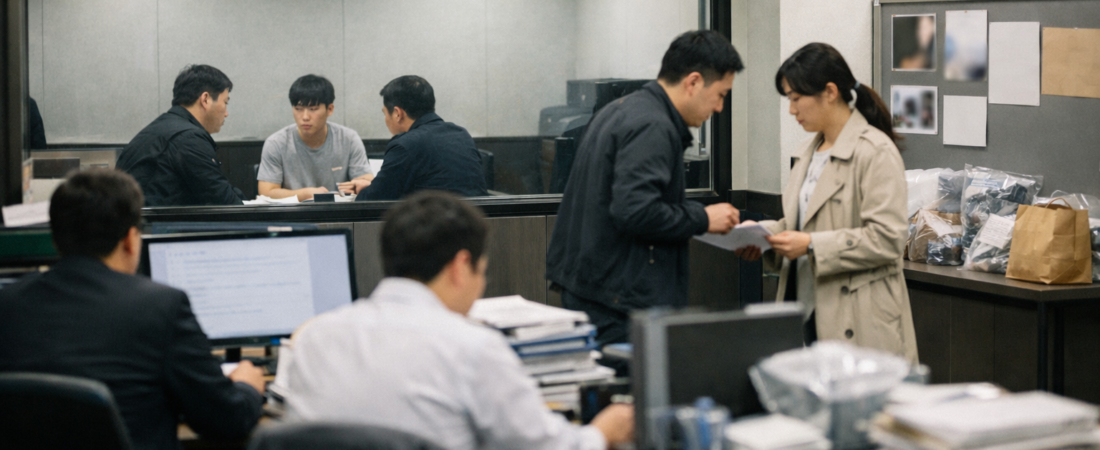
Korea’s ruling Democratic Party of Korea is preparing for a leadership contest. And one by one, candidates are declaring their support for abolishing prosecutorial supplementary investigation power.
This isn’t just policy talk. It’s a signal to the party’s core supporters, many of whom see reducing prosecutorial authority as unfinished business from years of political conflict with prosecutors.
Party leadership wants the legislation passed within August. Why? Because two new institutions are set to launch around the same time — the Serious Crimes Investigation Agency and the Public Prosecution Office.
These two bodies are meant to split investigation and indictment duties more cleanly than before. The Serious Crimes Investigation Agency would handle certain major crimes directly, while the Public Prosecution Office would focus narrowly on prosecuting cases in court.
If prosecutors keep supplementary investigation power under this new structure, some lawmakers argue it undermines the whole point of separating investigation from prosecution. That’s the core argument driving momentum inside the party right now.
You might wonder — is this really about better justice, or about political control? Both explanations exist inside the party, and neither side is being shy about it.
Limited Retention vs. Full Abolition: The Internal Split
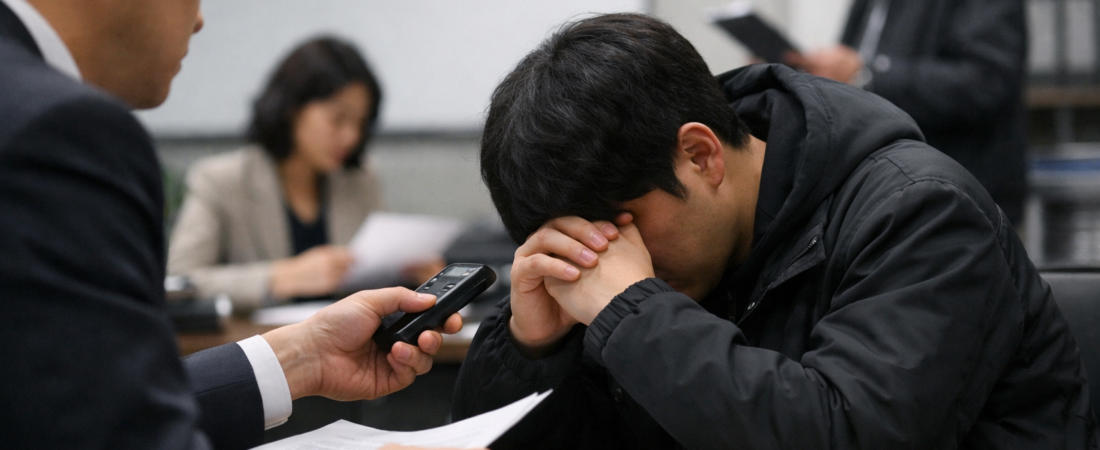
Not everyone in the Democratic Party of Korea agrees on how far to go. Some lawmakers want to eliminate prosecutorial supplementary investigation power completely, with no exceptions.
Others prefer a middle path. They argue prosecutors should keep limited supplementary investigation power for specific, narrow cases — perhaps complex financial crimes or cases involving conflicting evidence.
Why does this split matter? Because it shapes how much independence prosecutors retain after this year’s reforms take effect.
Full abolition supporters say a clean break sends a clearer message. Middle-path supporters worry that removing prosecutorial supplementary investigation power entirely could create investigation gaps, especially in cases where police work proves incomplete or rushed.
Think about it this way: if police miss a key piece of evidence, who fixes that mistake before trial? Right now, prosecutors can step in and correct it.
Remove that power completely, and cases might return to police for further work, adding delay. Or worse, weak cases could reach court without proper follow-up.
This tension explains why the debate hasn’t settled easily, even within a single party. Legal scholars have weighed in as well, and outlets like Korean Political News Report have tracked how this internal disagreement could delay the August timeline the leadership originally wanted.
Some experts point to comparative systems, noting that many countries maintain at least some prosecutorial review function even after separating police investigation from prosecution decisions. Korea’s own 2022 reform already reduced this significantly, making the current proposal a further, more dramatic step.
Opposition Resistance and What Comes Next
The People Power Party isn’t staying quiet on this issue. Conservative lawmakers have signaled they’ll likely try to block any bill removing prosecutorial supplementary investigation power.
Their argument centers on checks and balances. Without any prosecutorial supplementary investigation power, they warn, the newly split system could lack a built-in safeguard against investigative errors.
Given the Democratic Party of Korea’s National Assembly majority, though, opposition resistance may slow the bill rather than stop it outright. Still, expect loud debate, procedural delays, and public pressure campaigns from both sides before any final vote.
What happens if the August deadline slips? The launch of the Serious Crimes Investigation Agency and Public Prosecution Office could proceed on schedule anyway, leaving a legal gray zone around prosecutorial supplementary investigation power until lawmakers settle the matter.
That gray zone matters more than it sounds. Prosecutors, police, and defense attorneys all need clear rules about who does what, and when.
Confusion here could affect real cases — actual defendants waiting for trial, actual victims waiting for justice.
So where does this leave ordinary Koreans watching from outside the political fight? Many see this less as an abstract legal reform and more as a continuation of years-long tension between political power and prosecutorial independence.
That tension shaped Korean politics for much of the last decade, touching everything from presidential investigations to corruption cases involving lawmakers themselves. Removing or limiting prosecutorial supplementary investigation power fits into that longer story, not just this month’s headlines.
Looking ahead, watch three things closely. First, whether the Democratic Party of Korea settles its own internal split before the August convention.
Second, how hard the People Power Party pushes back once a specific bill text emerges. Third, whether the Serious Crimes Investigation Agency and Public Prosecution Office launch smoothly, or face early confusion without clear supplementary investigation rules in place.
Korea’s justice system keeps evolving through moments like this one — messy, political, but ultimately consequential for how fairly cases get handled. Reforming prosecutorial supplementary investigation power isn’t just a legal footnote; it’s a test of whether the new investigation-prosecution split actually works in practice.
What do you think — should prosecutors keep some supplementary investigation power as a safety check, or is full abolition the cleaner path forward?
AI-Generated Photorealistic Image — All people, scenes, and details in this image are entirely AI-generated and fictional. Not a real photograph of an actual person or event. 이 이미지는 AI로 생성된 가상 이미지입니다.


Leave a Reply