Table of Contents
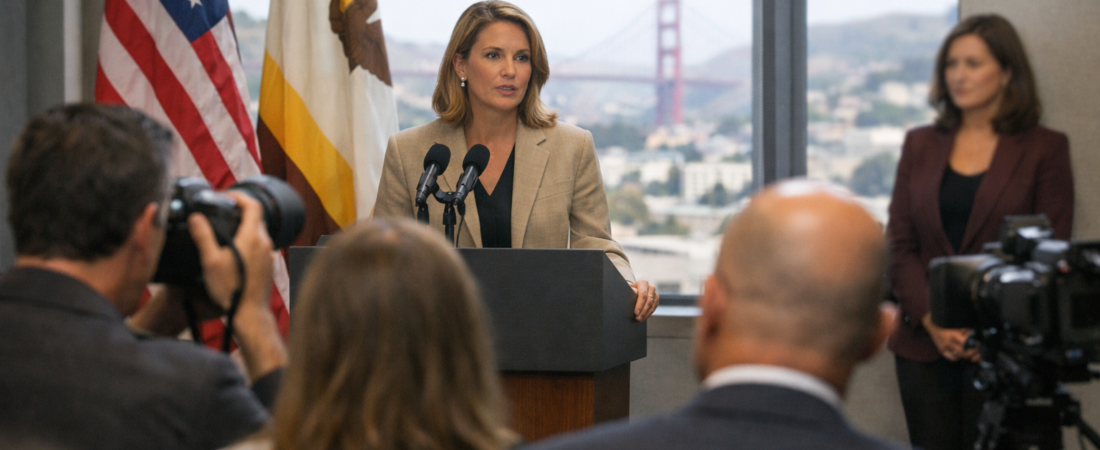
Can a single diplomatic statement change how the world sees Korea’s tech future? That is exactly what happened with the San Francisco AI Declaration. According to Ha Joon-kyung, the Presidential Secretary for Economic Growth, this declaration pushed Korea into the center of the global AI supply chain conversation.
He made these comments while also addressing housing policy, resource diplomacy, and stock market volatility. Let’s unpack what he said and why it matters for you, whether you live in Korea or just watch it from afar.
What Is the San Francisco AI Declaration?
The San Francisco AI Declaration is more than a symbolic agreement. It marks a moment where Korea moved from being a follower in artificial intelligence to being named a core partner. Think about that shift for a second.
Global AI supply chains involve chips, data centers, energy, and talent. Korea already leads in semiconductor manufacturing. But leading in chips is different from being named a strategic partner in AI policy itself.
That is the real significance of the San Francisco AI Declaration. It signals that international governments and companies now see Korea as essential, not optional, in shaping AI’s future. Ha Joon-kyung emphasized this point directly.
He noted that the San Francisco AI Declaration elevated Korea’s status in ways that private companies alone could not achieve. Why does government involvement matter so much here? Because large-scale international cooperation often needs state-level trust, not just corporate deals.
You can compare this to how trade agreements work. Companies negotiate contracts, but governments set the framework that makes those contracts possible. The same logic applies to the San Francisco AI Declaration and Korea’s expanding role in it.
Why Ha Joon-kyung Says Government Mattered

Here is the key claim from Ha Joon-kyung: without government-level engagement, this scale of cooperation would not have happened. That is a bold statement. Is it accurate?
Consider how AI infrastructure works today. Building data centers, securing energy supply, and coordinating semiconductor exports all require regulatory alignment between countries. Private companies cannot negotiate that alone.
The San Francisco AI Declaration reportedly opened doors that pure market competition could not. Ha Joon-kyung framed this as proof that active government diplomacy pays off in the tech sector. This fits a broader pattern in Korean economic strategy.
Historically, Korea’s rapid industrialization in the 1970s and 1980s relied heavily on government-guided investment. The Korean government picked strategic industries and supported them with policy tools. Some analysts now see AI as this generation’s equivalent of that earlier semiconductor push.
Does this mean government involvement always guarantees success? Not necessarily. But Ha Joon-kyung’s comments suggest that the San Francisco AI Declaration validated a strategy of proactive diplomatic engagement in emerging technology sectors.
For readers tracking Korea’s tech policy, the San Francisco AI Declaration offers a case study. It shows how diplomatic frameworks can unlock economic opportunities that would otherwise stay out of reach. You can read more background on international AI cooperation frameworks through Yonhap News Agency.
Housing Reform: Balancing Taxes, Rent, and Supply
Now let’s shift to something closer to home for most Koreans: housing. Ha Joon-kyung also addressed property holding taxes, jeonse and wolse rental systems, and loan regulations. These topics affect nearly every household in Korea.
He promised upcoming measures that consider three things together. First, housing welfare for ordinary citizens. Second, tax fairness across property owners. Third, expanding housing supply to ease pressure on prices.
Why announce these three goals together instead of separately? Because they often conflict with each other in practice. Raising property taxes might improve fairness, but it can also discourage new construction if not designed carefully.
Korea’s jeonse system, where tenants pay a large deposit instead of monthly rent, adds another layer of complexity. Loan regulations directly affect how easily people can access that deposit money. Adjusting one lever without considering the others can create unintended side effects.
This is where the government’s balancing act becomes tricky. Ha Joon-kyung’s comments suggest the administration is aware of these tradeoffs. Whether the upcoming measures actually balance welfare, fairness, and supply remains to be seen.
Housing policy in Korea has a long, complicated history. Past administrations have swung between tightening regulations and loosening them, often reacting to short-term price swings. If this new package truly integrates all three goals, it could mark a more stable, long-term approach rather than another reactive fix.
South America Diplomacy and Stock Market Jitters
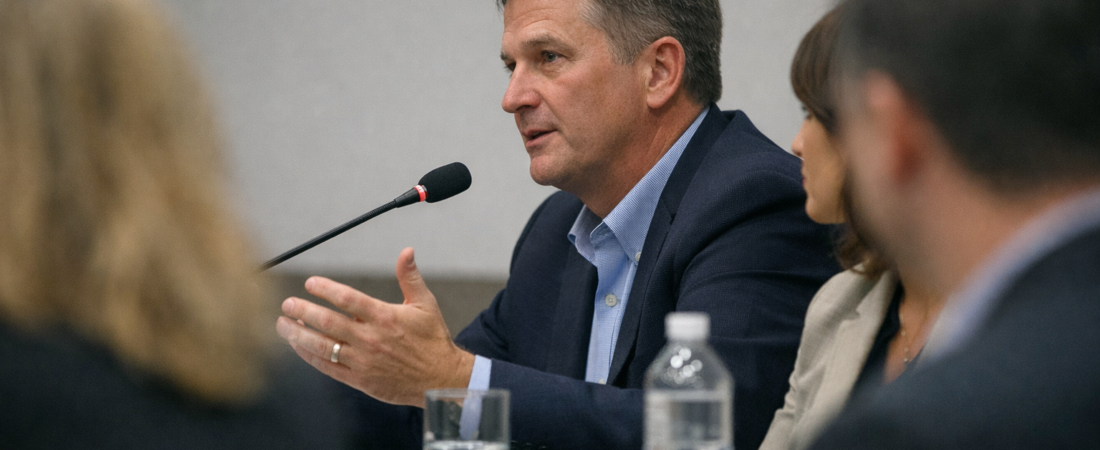
Beyond AI and housing, Ha Joon-kyung touched on Korea’s diplomatic outreach to South America. He expressed optimism about resource cooperation from an upcoming regional visit. Why does South America matter to Korea’s economy?
The region holds significant reserves of lithium, copper, and other critical minerals. These resources feed directly into battery production and semiconductor manufacturing, both core Korean industries. Securing stable access to these materials supports the same supply chains that the San Francisco AI Declaration aims to strengthen.
In many ways, resource diplomacy and AI diplomacy are two sides of the same strategy. You cannot build advanced technology without securing the raw materials behind it. Korea’s outreach to South America fits into this larger picture of supply chain security.
Ha Joon-kyung also addressed recent volatility in the KOSPI, Korea’s main stock index. He specifically mentioned leveraged ETFs, financial products that amplify market gains and losses. These products have drawn scrutiny as market swings increased recently.
He indicated that institutional improvements may be needed around these leveraged products. This suggests regulators are watching how retail investors use high-risk financial tools. Have Korean markets grown too reliant on speculative instruments during uncertain times?
That question deserves real attention. Leveraged ETFs can multiply losses just as easily as gains, especially during volatile periods. If Korean regulators tighten oversight here, it could reshape how everyday investors approach the stock market going forward.
What This Means Going Forward
Put all these pieces together, and a pattern emerges. The San Francisco AI Declaration, housing reform plans, South American resource diplomacy, and stock market oversight all share one theme: active government management of economic risk and opportunity.
Ha Joon-kyung’s comments paint a picture of a government trying to steer multiple fronts simultaneously. That is no small task. Managing AI diplomacy, housing affordability, resource security, and financial stability all at once requires careful coordination.
The San Francisco AI Declaration specifically shows how diplomatic wins can translate into tangible economic positioning. Korea’s semiconductor strength combined with new AI partnerships could open doors that were previously closed. This is a significant development for anyone watching Korea’s tech sector.
At the same time, domestic issues like housing and market volatility remind us that global wins don’t erase local challenges. Can Korea maintain its rising global tech status while also solving housing affordability at home? That balance will define much of the coming policy debate.
For global observers, the San Francisco AI Declaration offers a lesson worth remembering. Government diplomacy still matters in the age of private tech giants. Korea’s experience shows that state-level engagement can unlock cooperation that markets alone cannot create.
What do you think about Korea’s approach to combining AI diplomacy with domestic economic reform?
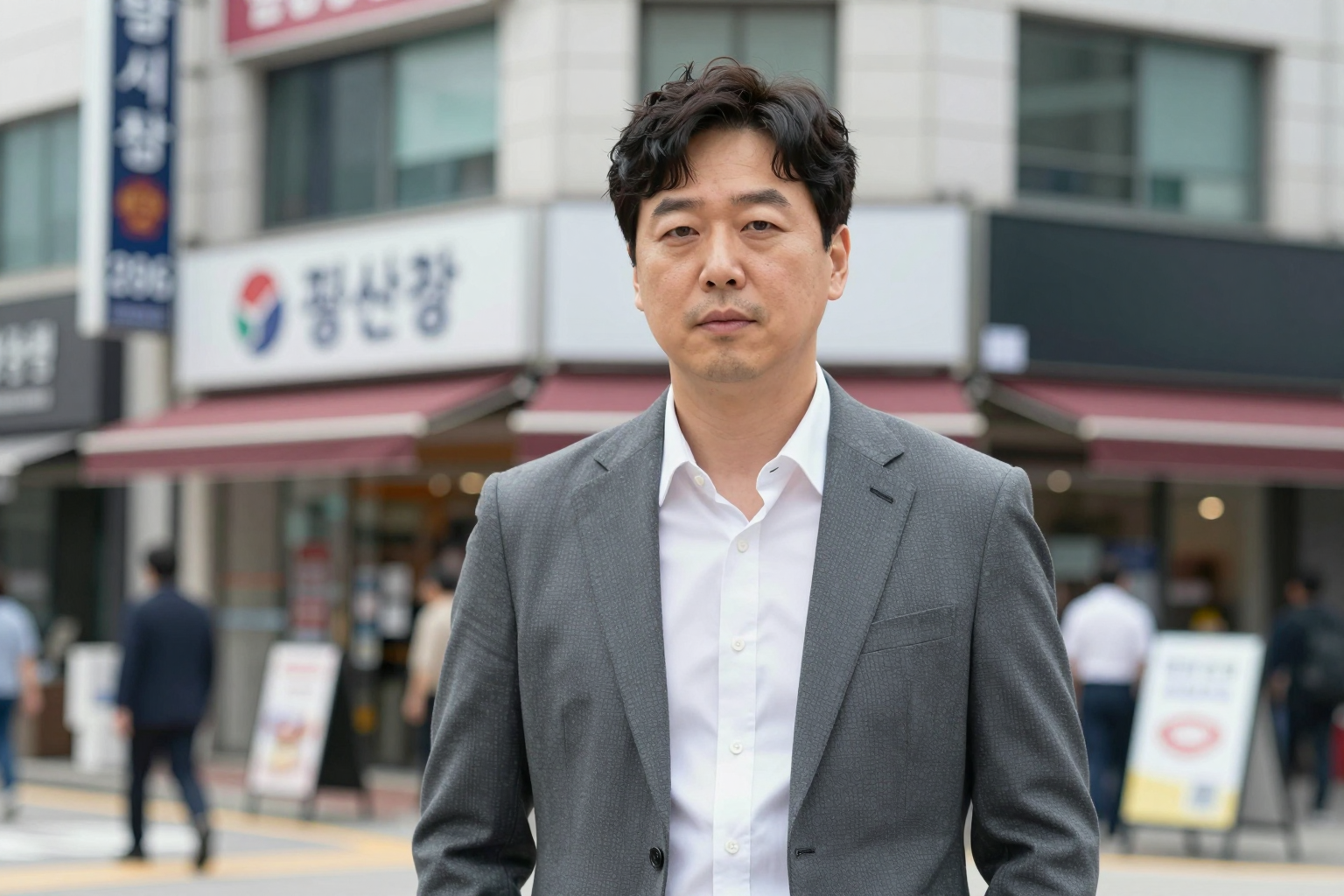
AI-Generated Photorealistic Image — All people, scenes, and details in this image are entirely AI-generated and fictional. Not a real photograph of an actual person or event. 이 이미지는 AI로 생성된 가상 이미지입니다.



Leave a Reply