Table of Contents
Can an actor stay fresh after 22 years in the spotlight? So Ji-sub just answered that question with a resounding yes.
His latest SBS drama, Kim Bu-jang (Team Leader Kim), closed out its run with a jaw-dropping 23.1% rating. That number does not just mean success. It marks what many critics are calling a second golden era for So Ji-sub.
So Ji-sub’s Kim Bu-jang Sparks a Ratings Sensation
A 23.1% rating in today’s fragmented viewing landscape is rare. Streaming platforms and cable channels split audiences into smaller and smaller pieces every year. So how did So Ji-sub pull this off?
He played the title role with a mix of grit and warmth that reminded viewers why they fell for him decades ago. Koreans take their drama ratings seriously, and a 23.1% share is basically a national event, the kind of number that gets discussed at dinner tables the next morning.
So Ji-sub himself called the project a turning point. He described Kim Bu-jang as the work that “opened the actor’s second page.” That phrase says a lot about how he views his own career, not as a finished story, but as one still being written.
From Mi-sa to Master’s Sun: So Ji-sub’s Rise
Every long career has a starting point. For So Ji-sub, that moment came in 2004 with the drama Mi-sa. That role launched him into stardom and set the tone for two decades of steady work.
Nearly a decade later, in 2013, he took on a very different character in Master’s Sun. There, he played a sharp-edged, wealthy corporate figure, cold on the surface but layered underneath. That role showed audiences he could do more than romantic leads; he could carry complexity.
Then last year came The Plaza, where So Ji-sub returned to action roles after a 13-year gap. Think of it as a veteran boxer stepping back into the ring after over a decade away, and still landing every punch. That comeback reminded fans and critics alike that his physical instincts had not dulled with time.
Each of these projects reveals a different side of So Ji-sub. Melodrama, chaebol drama, action thriller, workplace comedy — few Korean actors move across so many genres this convincingly. You could say his career reads like a highlight reel of Korean television’s own evolution over the past two decades.
Twenty-Two Years of Range: How So Ji-sub Evolved

What actually explains this longevity? It is not luck. So Ji-sub has spoken openly about his own restlessness with his craft.
“There is no such thing as 100% satisfaction in acting,” he said. That single sentence tells you almost everything about his mindset. Most actors chase perfection and eventually get comfortable. So Ji-sub seems to reject comfort entirely.
This restlessness shows up in his choices. He does not stick to one genre or one type of role for long. Instead, he keeps testing himself against different characters, different tones, and different physical demands, which is exactly why Kim Bu-jang feels like a natural extension of a pattern rather than a lucky break.
Industry watchers have noted this shift too. According to Kyunghyang Shinmun, So Ji-sub’s willingness to embrace an unglamorous, mid-career workplace role helped him connect with a broader, older viewership than his earlier romantic dramas ever reached. That broader appeal may be the real engine behind his current ratings success.
Why So Ji-sub Wants to Age Like Jackie Chan
So Ji-sub has one clear goal ahead: longevity in action roles. He has openly named Jackie Chan as his model, someone who kept doing his own stunts well into his sixties.
Is that even realistic in the Korean drama industry, where roles often skew toward younger leads? So Ji-sub seems determined to find out. His comeback in The Plaza after 13 years away from action already suggests he is serious about this ambition.
There is something worth pausing on here, beyond the ratings and the role choices. An actor insisting on doing his own physical work for over two decades says something honest about human resilience, the quiet discipline it takes to keep showing up when a body ages and an industry keeps moving toward younger faces.
But that same resilience carries a shadow most audiences never see. Accumulated injuries, unspoken pressure to stay relevant past forty, and an industry that often quietly favors novelty over experience all sit behind every polished action scene. So Ji-sub’s insistence on longevity is admirable, yet it also exposes a real tension in how Korean entertainment treats its veteran performers once the spotlight naturally shifts toward the next rising face.
Still, there are signs of change worth naming. Korean dramas are increasingly building stories around leads in their forties and fifties, and industry conversations about actor safety and long-term career support have grown louder in recent years. So Ji-sub’s own path, choosing harder roles rather than easier ones as he ages, may be part of what pushes that shift forward rather than simply riding it.
So where does this leave So Ji-sub twenty-two years in? Not at the end of a story, but somewhere in the middle of a longer one he is still choosing to write. What do you think — can Korean television make more room for actors like So Ji-sub who refuse to slow down?
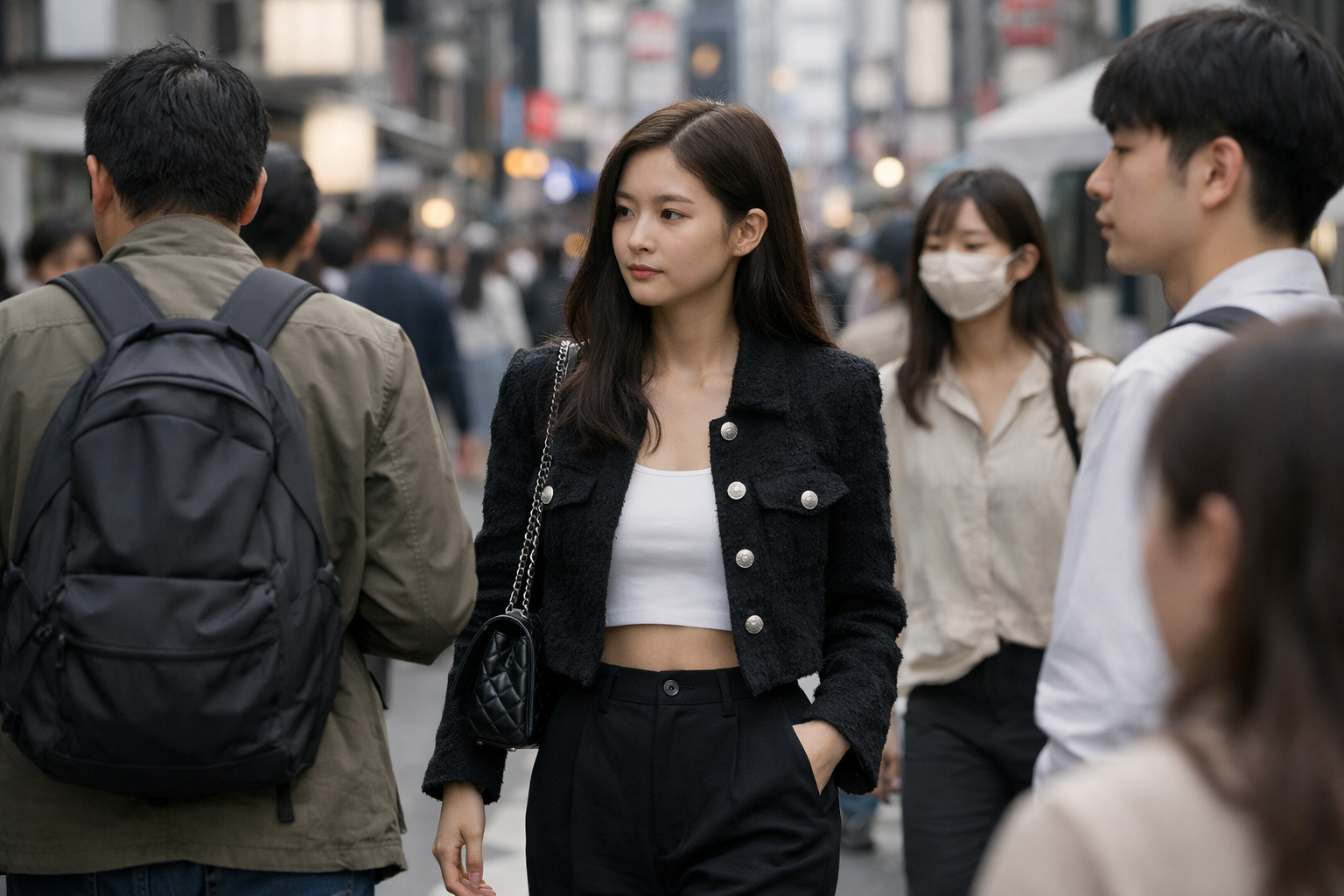
AI-Generated Photorealistic Image — All people, scenes, and details in this image are entirely AI-generated and fictional. Not a real photograph of an actual person or event. 이 이미지는 AI로 생성된 가상 이미지입니다.

Leave a Reply