
Rediscovering Paju Book City
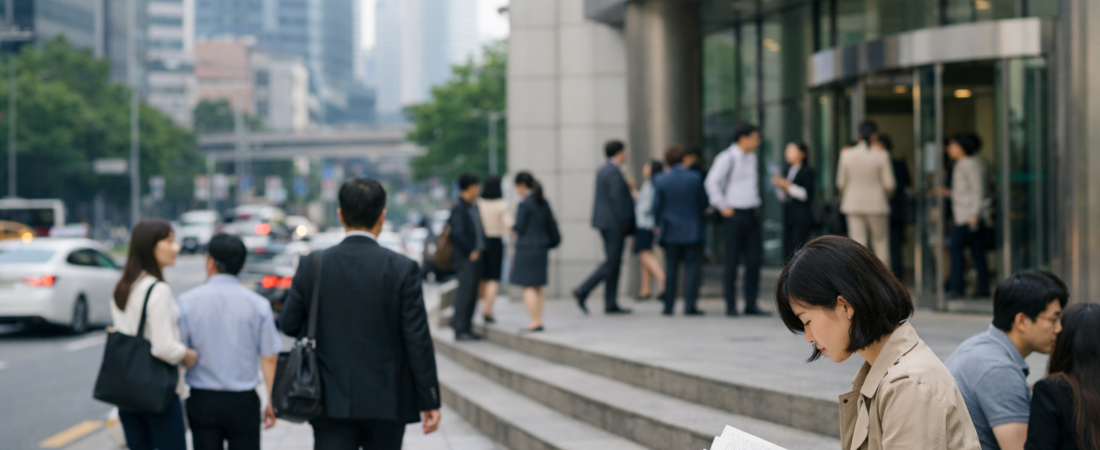
Have you ever walked into a place and felt time slow down? That’s exactly what happens inside Paju Book City, a quiet district just outside Seoul. I went back recently, and it reminded me why physical books still matter in our fast-scrolling world.
Paju Book City sits along the Han River, roughly thirty minutes from downtown Seoul. Publishers, architects, and book lovers built this district together starting in the late 1990s. Every building here reflects a different publishing house’s own philosophy, expressed through concrete, glass, and quiet courtyards.
My last trip to Paju Book City ended with a small promise to myself. I told myself I would return someday with more time and less rushing. This time, I finally kept that promise, and I brought no fixed plan at all.
Before reaching Paju Book City, I stopped by Heyri Art Village nearby, a cluster of galleries, cafes, and artist studios. The two places sit close together, yet they feel worlds apart in mood. Heyri buzzes with color and experimentation, while Paju Book City holds a quieter, more contemplative energy.
The Philosophy Behind Paju Book City’s Architecture

Why would anyone build an entire city around books? Paju Book City answers that question through its buildings themselves. Each publishing house designed its own headquarters here, and no two structures look quite alike.
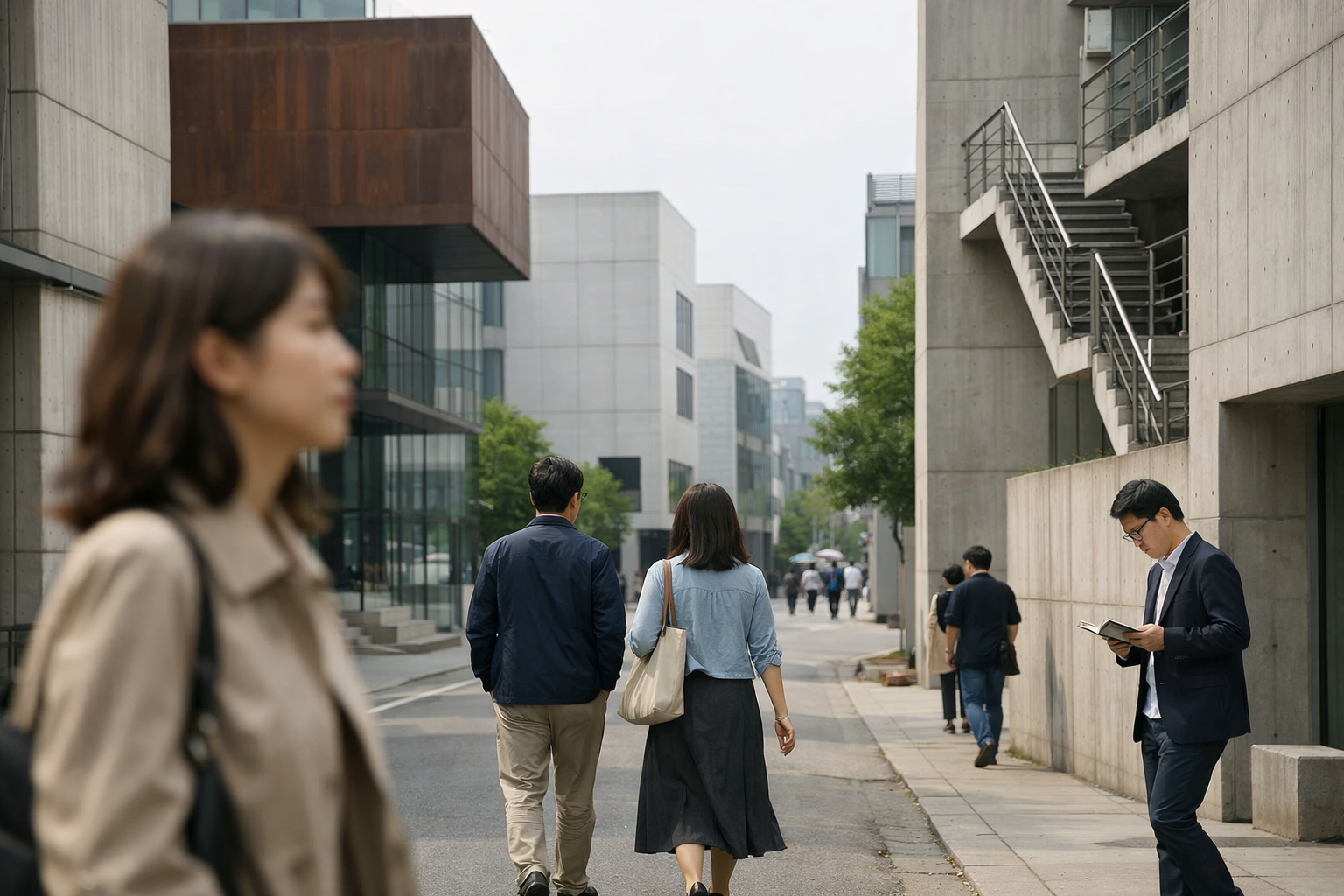
Modern concrete lines meet sculptural details throughout the district. Sharp angles contrast with wide, open windows that let in soft natural light. Walking between them feels less like touring an industrial park and more like wandering an open-air museum of ideas.
One highlight stands above the rest: the Forest of Wisdom, a vast open library where towering bookshelves invite you to simply sit and read. Nobody rushes you here, and nobody checks a clock. That kind of unhurried freedom feels almost rare these days.
Paju Book City was never meant to be just an industrial complex for printing and shipping books. It was designed as a place where books, architecture, and human thought could meet in one shared space. That ambition, honestly, still shows in every corner you walk through.
Think of it this
AI-Generated Photorealistic Image — All people, scenes, and details in this image are entirely AI-generated and fictional. Not a real photograph of an actual person or event. 이 이미지는 AI로 생성된 가상 이미지입니다.


Leave a Reply