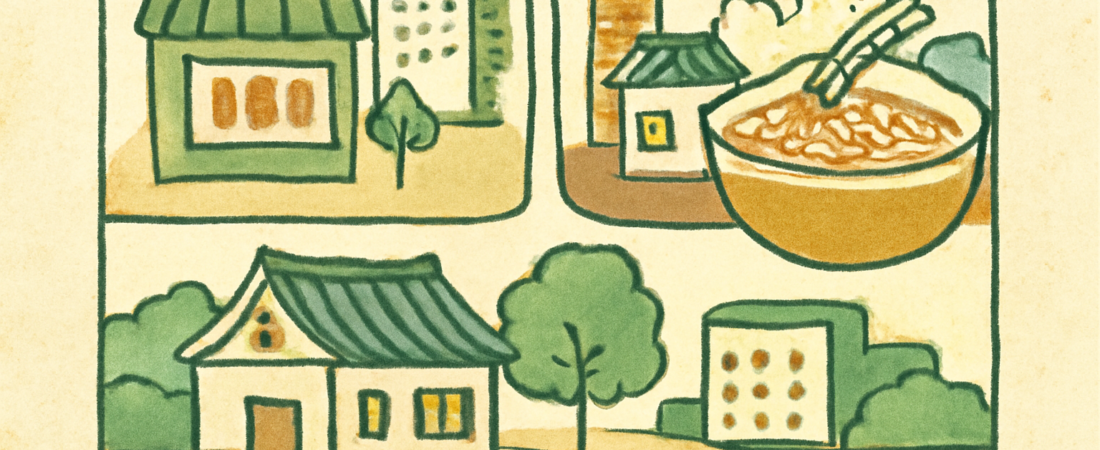
Pick your Seoul base by trip type. Hongdae and Myeongdong suit shopping and nightlife. Mapo, Euljiro and Seongsu suit food and cafes. Seochon, Bukchon and the Hannam area suit quieter stays. Always check current hotel rates and Korean data sources before booking, because trends and prices change quickly.
Last checked: 2026-11-06
- How to read the data behind the neighborhoods
- Best areas for shopping
- Best areas for food
- Best areas for a quiet stay
- Neighborhood comparison table
- FAQ
- Sources
- Related guides
How to read the data behind the neighborhoods
Many guides tell you where to stay based on opinion. This one starts with how Koreans actually use the city. Then it explains what that means for you as a visitor.
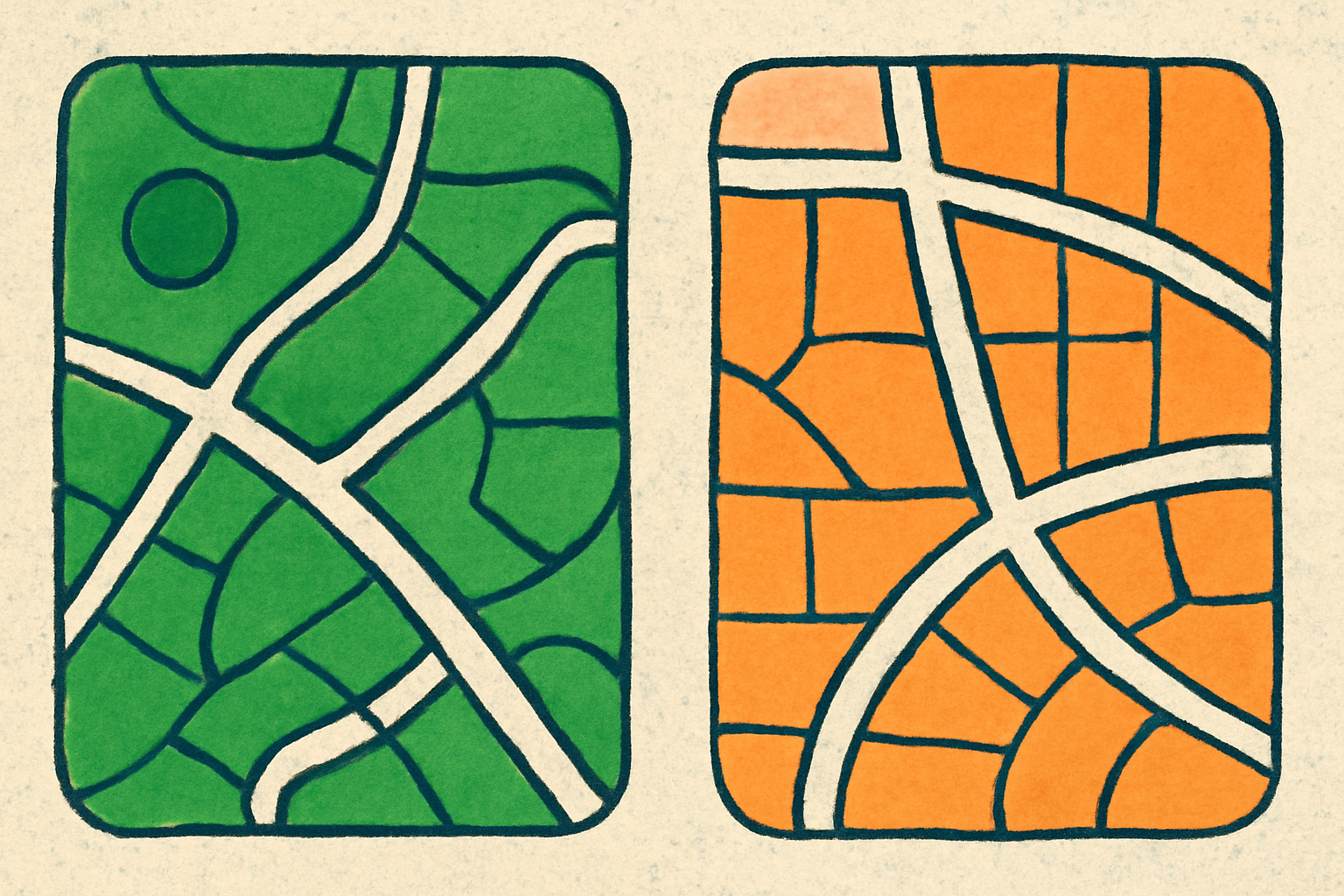
Several Korean data sources show where people go. None of them gives a simple “best neighborhood” ranking. They show patterns, and patterns shift.
The first source type is city-run mobility data. The Seoul Metropolitan Government publishes open data on subway ridership and floating population. Floating population means how many people are present in an area at a given time. It counts workers, shoppers and visitors, not only residents. Busy stations often point to busy shopping or nightlife districts.
The second source type is tourism statistics. The Korea Tourism Organization and its data portal publish visitor surveys. These cover which areas foreign visitors tend to visit and what they spend time on. The survey categories and the years covered change, so always read the publication date.
The third source type is local search and map behavior. Korean portals and map apps show what locals search for, such as cafes, restaurants and pop-up stores. Naver and Kakao Map are the two apps most Koreans use. Their trend tools can show rising search interest in a district. These tools change often, so treat any single number with care.
I cannot give you exact visitor counts or rankings here, because I cannot verify the current figures. Check the sources at the end of this guide for the latest numbers.
What the patterns consistently suggest is simple. Shopping demand clusters around a few well-known districts. Food interest spreads across many smaller areas. Quiet areas tend to be residential or near palaces and old lanes.
Best areas for shopping
Myeongdong: convenience first
Myeongdong is the easiest choice for first-time visitors who want to shop. It has a dense mix of beauty stores, fashion chains and street food. Many shops have staff who speak some English. Many also offer tax refund services for tourists.
The trade-off is crowds. Streets can feel packed in the evening and on weekends. If you dislike crowds, stay nearby and visit in the morning.
Tax refund rules change. Check the current minimum purchase amount and process on the official Korea Customs Service site before you shop.
Hongdae: youth fashion and nightlife
Hongdae sits near Hongik University. It is known for indie fashion, accessories, small boutiques and street performances. Koreans in their twenties often go there for shopping and late nights out.
It is lively and loud after dark. Light sleepers should ask for a high floor or a side-street hotel. Read recent guest reviews for noise comments.
Gangnam and Apgujeong: department stores and beauty clinics
South of the Han River, Gangnam offers large department stores, underground shopping malls and a polished feel. Apgujeong and Cheongdam are known for fashion and beauty services. This area suits travelers who prefer malls over street stalls.
Note that cosmetic procedures are medical services. This guide makes no medical claims. If you plan any procedure, research clinics carefully and verify licensing with official Korean health authorities.
Seongsu: pop-ups and design
Seongsu is a former factory area turned creative district. Brands often run short-term pop-up stores here. Pop-up schedules change weekly, so check Instagram or Naver Map before you go. Do not plan your day around one pop-up, because many have limited dates and queues.
Best areas for food
Mapo and Hongdae side streets
Mapo is a district name, and it covers a lot of ground. It includes Hongdae, Yeonnam-dong and the old grilled-meat streets near Mapo station. It works well if you want variety within walking distance.
Yeonnam-dong has a cafe and brunch scene. It is quieter than Hongdae’s main streets but still lively. It is a good compromise for travelers who want food and some calm.
Euljiro: old-school and “hip-jiro”
Euljiro was long known for printing shops and hardware stores. In recent years, small bars and restaurants have opened in the back alleys. Koreans sometimes use the nickname “Hip-jiro” for this trend. The name mixes “hip” and Euljiro.
Many places here are small and have limited seating. Some close on certain days. Check opening hours on Naver Map or Kakao Map before you go.
Jongno and Gwangjang Market
Jongno is central and close to palaces. Gwangjang Market, nearby, is famous for traditional street food such as bindaetteok (mung bean pancakes) and tteokbokki (spicy rice cakes). It suits travelers who want old Seoul flavors and easy subway access.
Itaewon and Hannam: global dining
Itaewon has long been known for international restaurants. The nearby Hannam area has trendy cafes and upscale dining. If you want non-Korean food after several days of Korean meals, this is the area to consider.
A note on restaurant ordering
Many small Korean restaurants have a two-person minimum for grilled meat. Some serve only one or two dishes. This is normal. Ask politely, or use a translation app. Do not assume menus are in English.
Best areas for a quiet stay
Seochon and Bukchon
Seochon lies west of Gyeongbokgung Palace. It has small galleries, old hanok-style buildings and quiet lanes. Bukchon, on the palace’s east side, is better known for its hanok village. Bukchon is a residential area, and visitor numbers there have caused tension with residents. The local government has introduced visitor rules in recent years. Check the Seoul or Jongno district office for current rules before you visit.
Staying in a hanok guesthouse can be memorable. Expect thin walls, floor-level bedding and limited soundproofing. It is atmospheric, but not always the best choice for light sleepers.
Hannam and parts of Yongsan
Hannam has leafy side streets, art museums and boutique hotels. It feels calmer than Myeongdong but stays well connected by subway. It is a good fit for couples and solo travelers who like cafes and galleries.
Yeouido
Yeouido is Seoul’s financial district. It is quiet on weekday evenings and weekends compared with tourist areas. It has Han River parks and large malls. It works for travelers who want space and river views. It has fewer small local restaurants than older districts.
Staying near the Han River
Areas such as Banpo and Ttukseom offer riverside parks. Koreans use these parks for picnics, cycling and evening walks. If you want a local-feeling base, these areas are worth considering. Bear in mind that they are farther from major tourist sights, so plan subway time.
Neighborhood comparison table
The table below gives a general guide. Hotel rates vary widely by season, hotel type and booking site. The ranges are rough estimates for a standard double room per night and are not guaranteed. Check live rates on your booking site.
| Neighborhood | Best for | Typical mood | Rough mid-range hotel (per night) | Main trade-off |
|---|---|---|---|---|
| Myeongdong | Beauty and fashion shopping | Busy, convenient | About $80-$160 / 105,000-210,000 KRW | Crowds |
| Hongdae / Yeonnam | Nightlife, indie shops, cafes | Young, lively | About $70-$140 / 92,000-185,000 KRW | Late-night noise |
| Gangnam / Apgujeong | Malls, polished dining | Modern, upscale | About $100-$220 / 130,000-290,000 KRW | Farther from palaces |
| Seongsu | Pop-ups, cafes, design | Creative, trendy | About $80-$160 / 105,000-210,000 KRW | Fewer hotels, queues |
| Jongno / Euljiro | Traditional and alley food | Central, mixed old and new | About $70-$150 / 92,000-198,000 KRW | Some places close early |
| Seochon / Bukchon | Quiet lanes, hanok stays | Calm, historic | About $90-$250 / 120,000-330,000 KRW | Thin walls, fewer late options |
| Hannam / Yongsan | Galleries, quieter boutique stays | Stylish, relaxed | About $100-$220 / 130,000-290,000 KRW | Pricier cafes |
| Yeouido | River walks, malls, space | Quiet after work hours | About $90-$190 / 120,000-250,000 KRW | Fewer small eateries |
Exchange rates move. The USD and KRW figures above are rounded and use an approximate rate. Check a live currency converter on the day you book.
FAQ
What is the best Seoul neighborhood for a first-time visitor?
Myeongdong and the Jongno area are common first choices. Both have strong subway links and many English-friendly services. The right pick depends on your priorities. Choose Myeongdong for shopping and Jongno for sights and traditional food.
Is Hongdae too loud for a good night’s sleep?
It can be, especially on Friday and Saturday nights. Streets near the main nightlife area stay active late. Choose a hotel on a side street or a higher floor. Read recent guest reviews and look for comments about noise.
How do I check where Koreans are actually going right now?
Look at three types of sources. Use Seoul’s open data portal for ridership and floating population. Use Korea Tourism Organization statistics for visitor patterns. Use Naver and Kakao map trends for local interest. Always read the date on any figure you find.
Do I need Korean to get around these neighborhoods?
You do not need fluent Korean. Subway signs and announcements include English. Many cafes and shops cope well with basic English or translation apps. Small local restaurants may have Korean-only menus. A translation app with a camera feature helps.
Are hanok stays a good choice for quiet?
They are atmospheric and often calm in the evening. But the buildings often have thin walls and floor-level bedding. They suit travelers who value character over soundproofing. Read the booking details and recent reviews carefully.
Sources
- Seoul Open Data Plaza (Seoul Metropolitan Government open data): https://data.seoul.go.kr/
- Korea Tourism Organization (official tourism site): https://english.visitkorea.or.kr/
- Korea Tourism Data Lab (KTO statistics portal): https://datalab.visitkorea.or.kr/
- Korea Customs Service (tax refund and customs rules): https://www.customs.go.kr/
- Seoul Metropolitan Government (city information): https://english.seoul.go.kr/
- Visit Seoul (official city tourism site): https://english.visitseoul.net/
These are homepage-level links. Deep pages and statistics tables may move, so search within each site for the latest data.
Leave a Reply