
Table of Contents
Can a K-pop idol leave her agency and still stay loyal to her group? TWICE member Chaeyoung just proved the answer is yes. On August 13, she announced she’s leaving JYP Entertainment to build her own solo path, while promising TWICE remains her “roots.”
This news lands right after fellow member Jeongyeon made a similar move. Together, these announcements mark a real shift in how TWICE members are handling their careers. Your favorite girl group isn’t breaking up — it’s evolving.
Chaeyoung’s Solo Announcement
Chaeyoung shared the news directly with ONCE, TWICE’s devoted fandom, calling them “family who has always been by my side.” That’s not corporate-speak — that’s a personal message to people who’ve supported her for nearly a decade. She wanted them to hear it from her first, not from a press release.
She explained that she’s building a solo world called “LIL FANTASY,” where she’ll create music on her own terms. What does this actually mean, though? It likely signals more creative control, fewer scheduling conflicts with label priorities, and a chance to experiment outside JYP’s usual production style.
Most importantly, Chaeyoung was clear about one thing: TWICE activities continue. She called the group her “roots,” a word choice that carries real weight in Korean culture, where loyalty and origin matter deeply. Leaving an agency isn’t leaving a group — and that distinction is exactly what makes this story worth understanding.
Why TWICE Members Go Solo

Contract structures in K-pop have changed a lot over the past decade. Many groups now operate under individual agreements, meaning members can sign with different agencies while still promoting together as TWICE. This system, sometimes called a “multi-agency” or “hybrid” contract model, gives artists more flexibility than the old all-in-one label system.
Jeongyeon’s earlier departure from JYP set a precedent within the group. Chaeyoung following that path suggests TWICE members are increasingly comfortable managing their own business decisions separately from the collective schedule. Is this a sign of instability? Not necessarily — it’s more a sign of maturity, both personally and professionally.
Think about it this way: imagine a successful sports team where players sign individual endorsement deals while still showing up for every game. That’s roughly what’s happening here. TWICE the group stays intact; TWICE the individuals are simply gaining more independence.
What “LIL FANTASY” Means for Fans
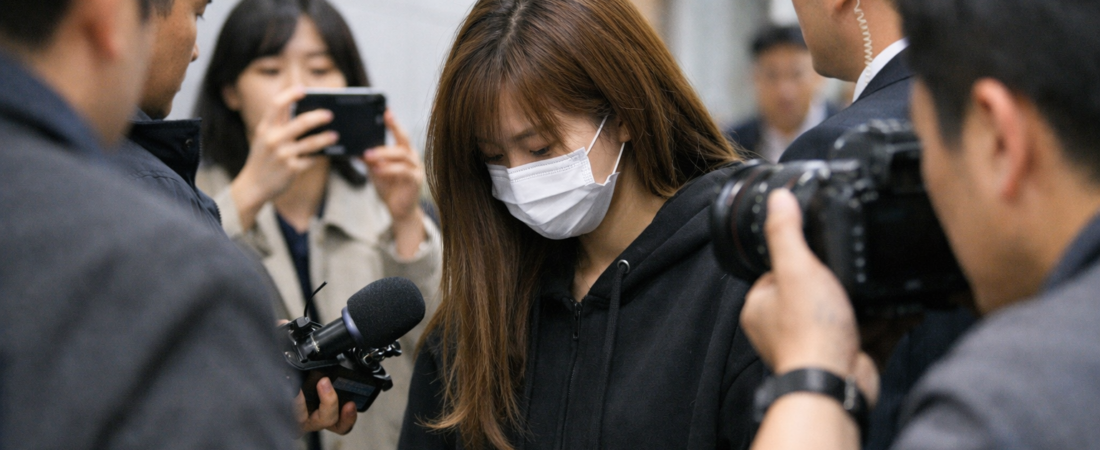
For ONCE, this announcement probably brings mixed feelings. There’s excitement about seeing Chaeyoung explore new music, but also a natural worry about what changes ahead might mean. That tension is completely understandable — fandom love often comes with this kind of protective instinct.
Chaeyoung has long been known as TWICE’s rapper and visual artist, someone with a distinct creative voice even within the group format. A solo world named “LIL FANTASY” fits that identity well. It gives her room to release music that might not fit TWICE’s broader pop sound, without asking fans to choose between her and the group.
Korean entertainment outlets, including Kyunghyang Shinmun, have covered this story closely because it reflects a bigger industry pattern. Idols today are building layered careers — group work, solo work, and individual ventures, all running side by side. TWICE fans are learning to hold space for all three at once.
The Future of TWICE and K-pop Careers
Where does this leave TWICE as a group? If Chaeyoung’s message is accurate, fans should expect continued group promotions alongside her solo output. That’s actually a healthy model — one where individual growth doesn’t have to come at the group’s expense.
K-pop has often been criticized for demanding total exclusivity from its idols, sometimes limiting their creative freedom for years under strict contracts. That criticism is fair and worth taking seriously. But the fact that members like Chaeyoung and Jeongyeon can now step outside their original agency while keeping their group identity intact shows the industry is slowly making room for more balanced arrangements.
There’s still tension here, of course. Fans worry about loosening ties, and agencies worry about losing control over their biggest stars. Yet this shift also opens a hopeful path — one where idols aren’t forced to pick between personal artistry and group loyalty, but can pursue both with support instead of restriction.
Looking ahead, TWICE’s story might become a case study for how modern K-pop groups sustain long careers without members leaving entirely. Loyalty and independence, it turns out, aren’t opposites after all. What do you think — can K-pop idols successfully balance solo passion projects with group commitments long-term?
AI-Generated Photorealistic Image — All people, scenes, and details in this image are entirely AI-generated and fictional. Not a real photograph of an actual person or event. 이 이미지는 AI로 생성된 가상 이미지입니다.




Leave a Reply