Table of Contents
Can a training exercise change how an entire country fits into a regional war plan? That’s exactly the question raised by the latest USFK drill on the Korean peninsula. United States Forces Korea just ran its largest combined logistics exercise ever, and the implications reach far beyond a single training day.
This wasn’t a routine drill. It was a rehearsal for something much bigger: turning Korea into the logistics backbone of the entire Pacific region.
What Just Happened: Korea’s Largest Logistics Drill
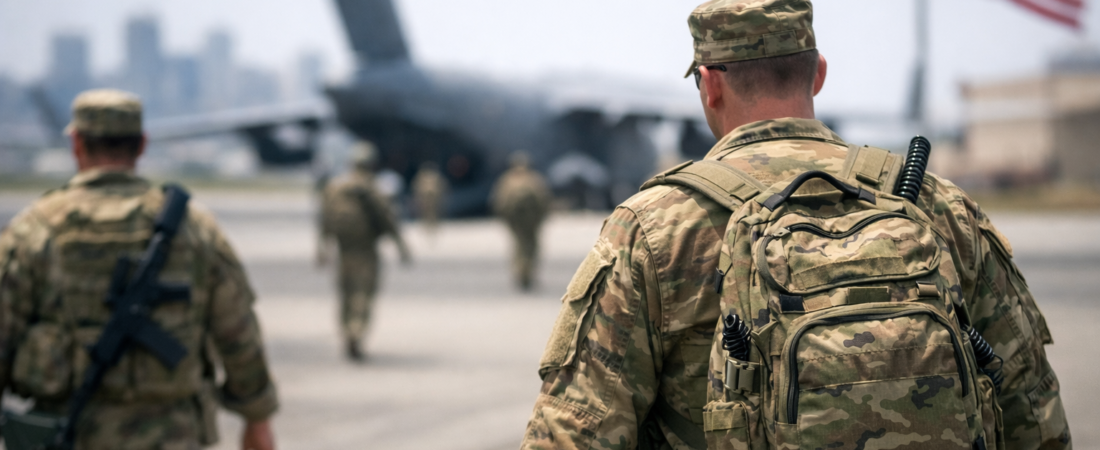
USFK and South Korean forces conducted a joint logistics exercise across Pohang and Hongcheon. The scale was unprecedented, according to reports covering the operation.
The core focus? Moving supplies and troops from ships at sea onto land, quickly and efficiently. That sounds simple on paper, but in practice, it’s one of the hardest problems in modern military planning.
Think about it this way. An army can have all the weapons in the world, but if fuel, ammunition, and food can’t reach the front lines, none of it matters.
This drill tested exactly that capability. Forces practiced sea-to-shore transport under conditions meant to simulate a real crisis. The exercise involved both American and Korean units working together, not as separate armies, but as one coordinated logistics chain.
Why does this matter now? Because USFK leadership has repeatedly stated its intention to reshape Korea’s military role. This drill wasn’t an isolated event. It was a visible, physical demonstration of a strategy that has been discussed in policy circles for some time.
USFK’s Bigger Plan: Turning Korea into a Pacific Hub
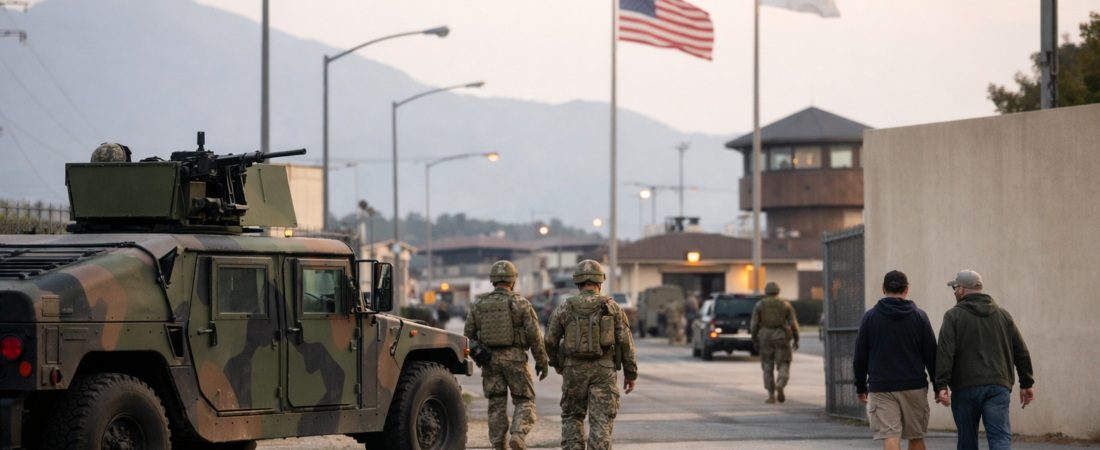
Here’s the real story behind the drill. USFK commanders have said, on multiple occasions, that they want Korea to serve as a logistics and supply hub for the wider Pacific theater.
What does that actually mean? It means Korea wouldn’t just defend its own territory anymore.
It would become a launching point, a warehouse, and a transit hub for military operations across a much larger region. That’s a significant shift in strategic thinking.
For decades, USFK’s mission centered almost entirely on deterring North Korea. That mission hasn’t disappeared. But the addition of a “regional hub” role changes the entire calculation.
If USFK becomes the connective tissue linking Pacific operations together, Korea’s geographic and industrial value increases enormously. You have to ask yourself: is Korea ready for this expanded responsibility?
The infrastructure question alone is massive. Ports, rail lines, storage depots, and transport networks all need to handle a much heavier flow of military material. This recent drill tested whether that infrastructure can actually perform under pressure.
According to coverage from Korea Daily Life News Report, the exercise specifically measured how fast personnel and equipment could move from coastal landing points to inland staging areas. That single detail tells you a lot about what USFK is preparing for.
Why Pohang and Hongcheon Matter
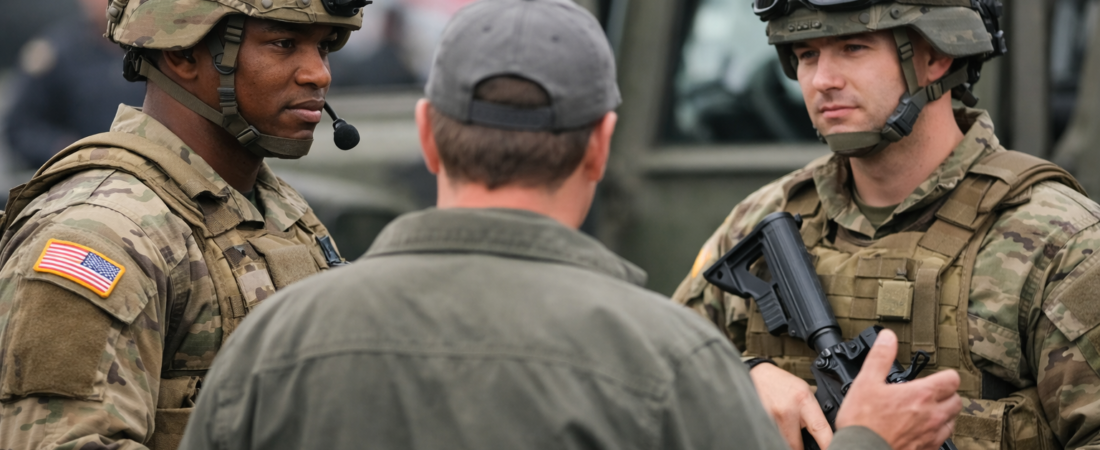
Location choices in military exercises are never accidental. Pohang sits on Korea’s eastern coast, giving direct access to sea lanes.
Hongcheon, further inland, offers a natural testing ground for overland movement. Together, these two sites created a complete simulation: from ship, to shore, to inland deployment.
Why run this exact combination? Because a real Pacific logistics hub needs both capabilities working seamlessly.
Getting supplies off a ship is only half the job. Getting them hundreds of kilometers inland, quickly and safely, is the other half.
This exercise tested the full chain, not just one link in it. That’s a meaningful difference from past USFK drills, which often focused narrowly on combat readiness rather than supply movement.
There’s also a historical layer here worth understanding. Korea has hosted USFK troops since the end of the Korean War in 1953.
For most of that history, the mission stayed fixed on peninsula defense. This drill signals something new: USFK preparing Korea for a role that extends well beyond its own borders.
That’s not a small shift. It’s a redefinition of what the US-Korea alliance is actually for in the 21st century.
USFK’s Expanding Role: What This Means for Korea’s Future
So where does this leave Korea going forward? If USFK’s vision becomes reality, Korea’s strategic importance grows well beyond the Korean peninsula.
That brings real benefits, like deeper alliance cooperation and more advanced joint capabilities. But it also brings real risks worth thinking through carefully.
Would a larger USFK logistics role make Korea a bigger target in a regional conflict? That’s a fair question to ask.
Positioning yourself as a “supply hub” means becoming central to any operation that uses that supply chain, for better or worse. Korean policymakers will need to weigh these tradeoffs carefully as this strategy develops further.
There’s also a domestic angle here. Any expansion of USFK’s regional mission will likely require new investment in Korean infrastructure, more joint training exercises, and closer coordination between Korean and American logistics commands.
None of that happens overnight. But this recent drill in Pohang and Hongcheon shows the groundwork is already being laid.
Looking ahead, expect more exercises like this one, not fewer. USFK has made its intentions clear, and this training reinforced that direction with real, tangible action.
The question now isn’t whether USFK will pursue this Pacific hub strategy. It’s how quickly Korea adapts to a role that reaches far beyond its own defense.
What do you think about Korea’s growing role as a logistics hub for USFK across the Pacific?
AI-Generated Photorealistic Image — All people, scenes, and details in this image are entirely AI-generated and fictional. Not a real photograph of an actual person or event. 이 이미지는 AI로 생성된 가상 이미지입니다.
Leave a Reply