
Table of Contents
Would you rather spend your vacation squeezed into a crowded Seoul subway, or wandering a quiet coastal village nobody has heard of yet? New data from Visa suggests more travelers are choosing the second option.
Visa’s latest analysis of payment data from Korean and Japanese travelers shows something remarkable. Small towns and back-alley shopping districts are pulling spending away from major cities.
This shift is not small. It signals a real change in how people from both countries think about travel and money.
Why Small Towns Are Winning Over Big Cities
Visa’s data shows spending in Korean small cities jumped 40 percent. That growth actually overtook spending in major metropolitan areas.
Meanwhile, Japanese tourists visiting Korea’s coastal and island regions increased their spending by a striking 145 percent. That is not a small trend — that is a wave.
Why would travelers skip Seoul’s bright lights for a quiet fishing village? Because familiar tourist routes start to feel, well, familiar.
Big cities everywhere tend to offer the same chain cafes and the same photo spots. Small towns offer something harder to replicate: a sense of discovery.
What Visa Data Reveals About Travel Habits

Visa did not guess at this trend. The company studied actual payment records from travelers moving between Korea and Japan.
That gives the findings real weight. Credit card data does not lie the way a survey might — it shows exactly where money goes, not just where people say they want to go.
According to Maeil Business Newspaper, this Visa research points to a clear pattern across both nations. Travelers are actively rerouting their spending toward smaller destinations.
This is not a one-time blip either. The data spans enough transactions to suggest a structural shift, not just a lucky season for a few island towns.
Think about what this means for local economies. A guesthouse owner on a small Korean island now competes directly with hotels in downtown Busan — and increasingly, wins.
From Bargain Hunting to Personal Taste: How Visa Data Shows the Shift

For years, “value for money” drove most travel decisions. Find the cheapest flight, the cheapest hotel, the biggest discount.
But Visa’s research suggests something more interesting is happening now. Travelers are moving beyond simple cost-cutting toward what researchers call “taste-based consumption.”
In plain English? People are spending money on places that match their personal interests, not just their budget. A traveler who loves quiet beaches will now seek out a remote island over a five-star city hotel, even if the hotel is cheaper.
Is this really so different from how we already shop for coffee or clothes? Not really — travel is simply catching up to a trend we already see in retail.
Consumers everywhere increasingly buy based on identity and preference. Korea’s tourism sector, and Japan’s too, are watching that same instinct reshape where people vacation.
There’s a small irony here worth smiling at: travelers seeking “authentic” small-town charm sometimes end up creating the very crowds they were trying to escape (nothing says “hidden gem” like fifty other people who also read the same blog post).
What This Means for Korea and Japan’s Future
Where does this trend go from here? If Visa’s numbers hold steady, we should expect more investment flowing into Korea’s smaller cities and alleyway shopping districts.
Local governments outside Seoul have been asking for exactly this kind of attention for years. Now they finally have the payment data to back up their pitch.
Of course, this growth brings real challenges too. Small towns often lack the infrastructure — public transit, multilingual signage, enough guesthouses — that big cities already built decades ago.
A sudden wave of visitors can strain a fishing village’s narrow roads just as easily as it can revive its struggling shops. But here is where hope enters the picture.
Some Korean coastal towns have already begun partnering with local artisans and family-run restaurants to manage growth thoughtfully, rather than let it overwhelm them.
That balance — welcoming outsiders while protecting what makes a place worth visiting — is not easy to strike. It requires patience from residents and humility from travelers who want an “authentic” experience without demanding the town change itself to fit them.
Still, when a small business owner in a coastal village sees new customers for the first time in years, something genuine happens. Communities that once felt forgotten are being noticed again, and that recognition carries real dignity, even amid the growing pains.
For everyday travelers, this Visa data offers a simple lesson. Your next trip does not need to follow the same guidebook everyone else uses.
Whether you are Korean, Japanese, or simply reading this from halfway around the world, the message is the same. Seek out the place that fits who you are, not just the place that fits your budget.
What kind of traveler are you — the one chasing the famous landmark, or the one chasing the quiet alley nobody has mapped yet?
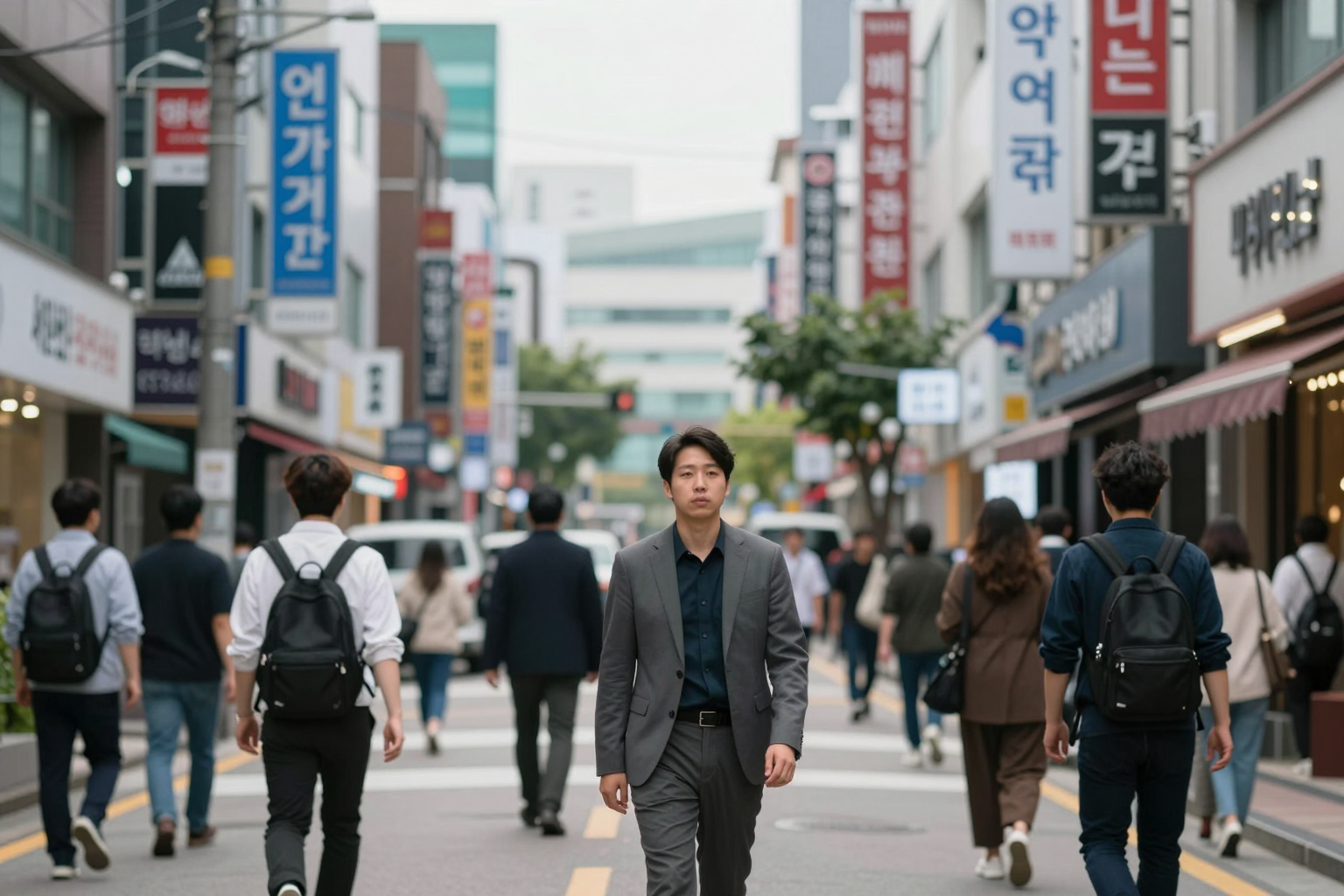
AI-Generated Photorealistic Image — All people, scenes, and details in this image are entirely AI-generated and fictional. Not a real photograph of an actual person or event. 이 이미지는 AI로 생성된 가상 이미지입니다.


Leave a Reply