
Table of Contents
Section 1: What’s Happening in Yeosu
Can a small coastal city turn a boat race into a tourism jackpot? That’s the question shaking up local politics in Yeosu right now.
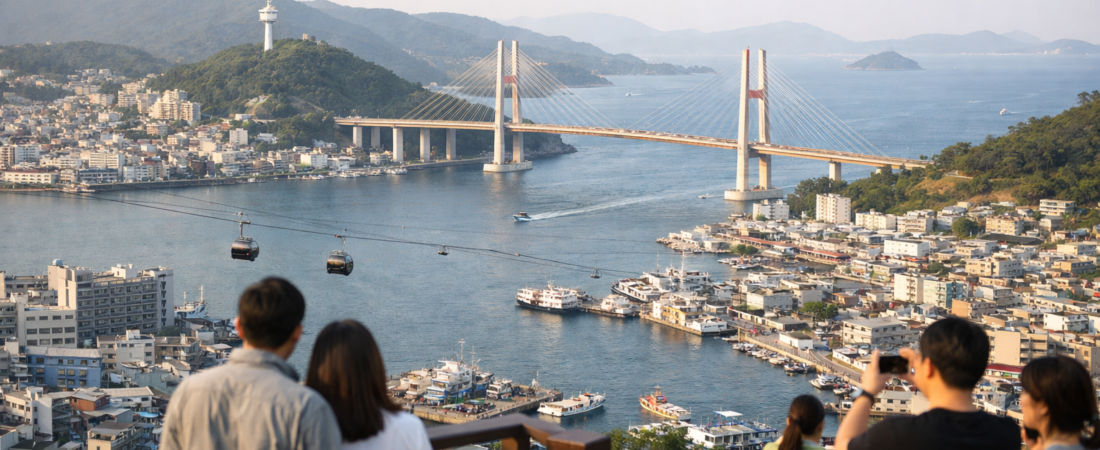
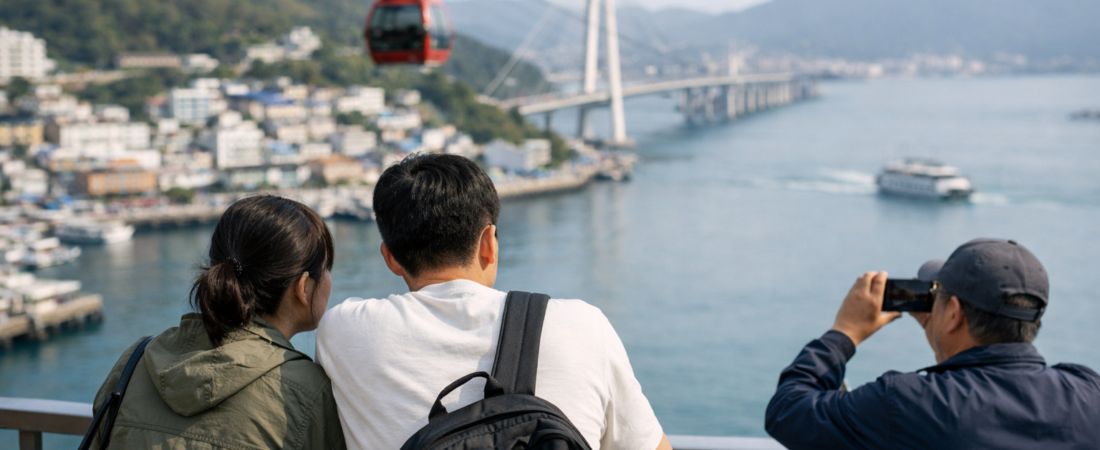
A proposal to bring a motorboat racing venue, known as gyeongjeong, to Yeosu has sparked a heated public debate. Yeosu is already known as one of South Korea’s premier tourist destinations, famous for its sea views and seafood.
Local lawmakers introduced the idea, hoping to spark public discussion before any formal decision. According to Yonhap News, the proposal has already split opinion across the city’s political scene.
Some see it as an economic opportunity. Others see it as an invitation to social harm. So which side is right? Let’s break it down.
Section 2: Understanding Motorboat Racing in Korea
Gyeongjeong, or competitive motorboat racing, is a legal betting sport in South Korea. It’s regulated by the government, much like horse racing or cycling races.
Currently, Korea has only one official gyeongjeong venue, located in Misari near Seoul. That scarcity is exactly why the Yeosu proposal matters so much.
If Yeosu became the second city to host one, it would instantly become a national outlier. Supporters argue this rarity could make Yeosu a must-visit destination for racing fans and casual bettors alike.
Think of it like the only theme park in a region — people travel from far away just to see it. That’s the logic driving supporters of the Yeosu plan.
But rarity cuts both ways. A one-of-a-kind facility also concentrates all the social risks tied to gambling into a single community.
Yeosu’s local government has poured years into building its brand as a scenic port city, not a betting hub. Any shift in that image carries real consequences, both economic and cultural.
Section 3: The Debate — Gambling Industry or Yeosu Tourism Asset?
Opponents call gyeongjeong a “sahaeng saneop,” or gambling industry, and they’re not wrong to worry. Legalized betting sports have a documented history of fueling addiction, family financial strain, and local social problems.
Civic groups in Yeosu argue that inviting a racing venue could undo years of careful, family-friendly tourism branding. Their concern isn’t abstract — it’s rooted in what happens to real households when gambling becomes easily accessible.
Supporters counter with a different vision entirely. They call the racing venue an “dokboj-eogin gwangwang jawon” — an unmatched, one-of-a-kind tourism resource that no other Korean city currently offers outside Misari.
For them, Yeosu isn’t just risking harm. It’s potentially gaining a signature attraction that could draw new visitors, new jobs, and new tax revenue for years to come.
Both camps are talking about the same city, but they’re picturing two very different futures. Isn’t that always the case when a community debates its own identity?
Local assembly members have proposed public hearings to let residents weigh in directly. That’s a healthy step — big decisions about a city’s character shouldn’t happen behind closed doors.
Yeosu’s political circles now face pressure to balance both voices carefully. Rushing the decision either way could deepen community division rather than resolve it.
Section 4: What This Means for Yeosu’s Future
Where does a city draw the line between opportunity and risk? Yeosu’s current debate forces that exact question into the open, and there’s no easy formula for answering it.
Communities everywhere face similar choices when a new industry promises growth but carries a social cost. The honest answer is rarely all-or-nothing — it usually lies in careful regulation, transparent public input, and honest tracking of outcomes after the fact.
Cities that have handled casino or racing venues responsibly, in Korea and abroad, often succeeded not by avoiding hard conversations but by building strong social safeguards alongside the economic project. Support programs for gambling addiction, revenue-sharing with local welfare funds, and strict access controls have made a real difference elsewhere.
Yeosu’s residents deserve that same kind of thoughtful groundwork, not a rushed yes or a reflexive no. The fact that this debate is happening publicly, rather than quietly among a few officials, is itself a sign of a healthier local democracy at work.
Yeosu now stands at a genuine crossroads between two honest visions of its own future. Whatever direction the city takes, the process itself — open debate, public hearings, honest weighing of costs and benefits — matters just as much as the final outcome.
What do you think — should Yeosu pursue this rare tourism opportunity, or protect its current identity as a family-friendly coastal city?
AI-Generated Photorealistic Image — All people, scenes, and details in this image are entirely AI-generated and fictional. Not a real photograph of an actual person or event. 이 이미지는 AI로 생성된 가상 이미지입니다.


Leave a Reply