Table of Contents
A Message From Prison: Yoon Suk-yeol Speaks to the Protesters
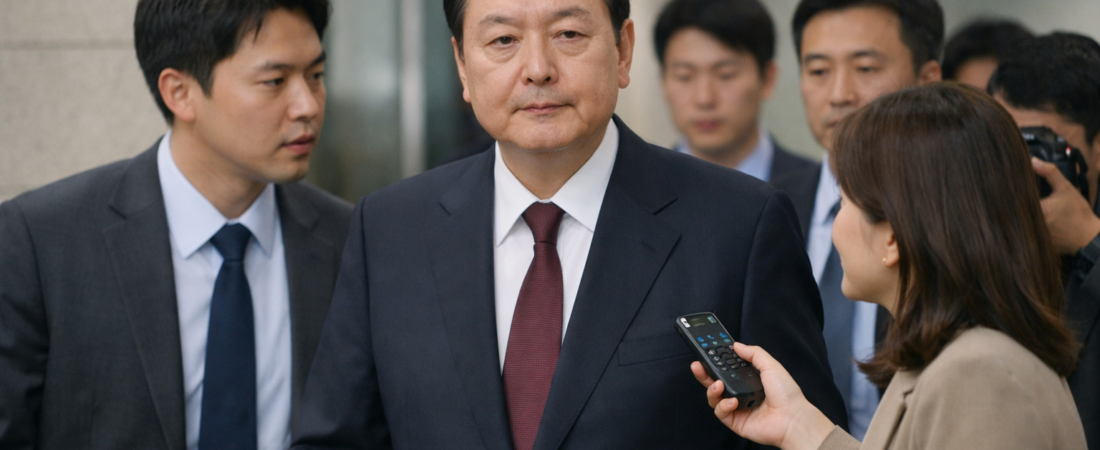
Can a message written behind bars still shape a country’s politics? Former President Yoon Suk-yeol just proved it can. From his prison cell, Yoon Suk-yeol sent words of encouragement to young protesters camped out at Olympic Park in Seoul.
His lawyer, Bae Ui-cheol, shared the message on social media this week. The protesters have been demonstrating for over two months now, demanding a re-election and a full investigation into alleged election fraud.
Their anger traces back to the June 3 local elections, when a shortage of ballot papers at several polling stations sparked outrage. You can imagine the frustration — voters showing up, only to find the system unprepared.
Yoon Suk-yeol’s message did not shy away from bold language. “Even if entrenched powers look strong, young people hold an asset called the future,” he wrote.
He added that they possess “far greater strength” than any establishment, urging them never to feel intimidated. Then came the line that made headlines: he called the protesters “truly impressive and reliable,” telling them not to lose heart even if the road ahead gets rocky.
Why the Yoon Suk-yeol Youth Protest Matters Right Now
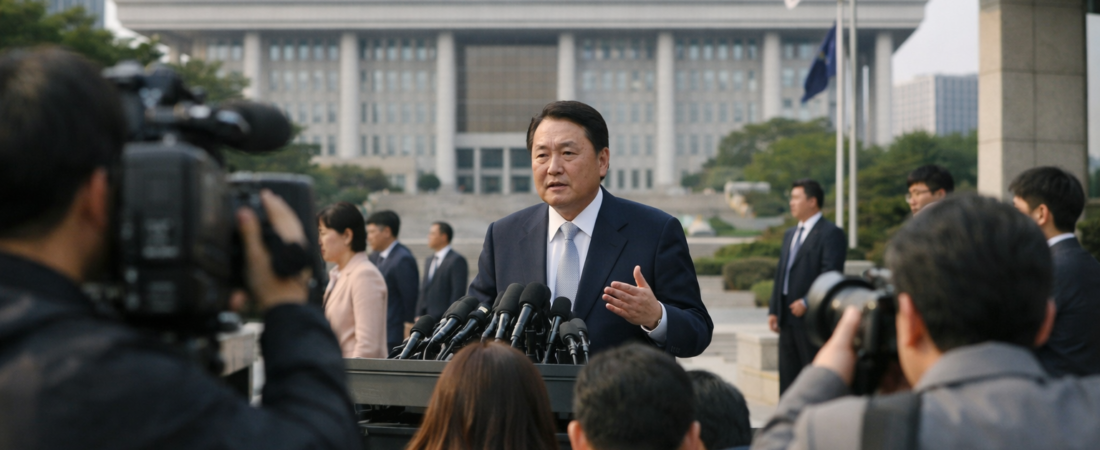
Why would a former president, facing his own legal troubles, spend energy praising a small protest group? The answer says a lot about Korea’s current political landscape. Young voters, especially those in their twenties and thirties, have become the prize everyone wants to win.
The demonstrators at Olympic Park have earned a nickname: “Olgong Youth,” a shorthand blending the Korean words for Olympic Park. They are not a massive crowd, but they are persistent, camping through Seoul’s brutal summer heat for weeks on end.
That kind of dedication tends to catch attention, whether you agree with their cause or not. For readers outside Korea, this might sound familiar — think of any small but vocal protest movement that outlasts expectations and slowly pulls in mainstream political figures.
What makes the Yoon Suk-yeol connection so notable is the timing. He remains a divisive figure, still tied up in legal proceedings stemming from his presidency’s dramatic collapse.
Yet his endorsement of these protesters signals he still wants a voice in shaping Korea’s political future. According to reporting from SBS News, this is not the first time Yoon Suk-yeol has reached out from custody to supporters.
Each message reinforces his base and keeps his name in daily headlines. Is that a comeback strategy, or simply a man holding onto relevance? Perhaps it’s both.
People Power Party’s Careful Courtship of the 2030 Generation
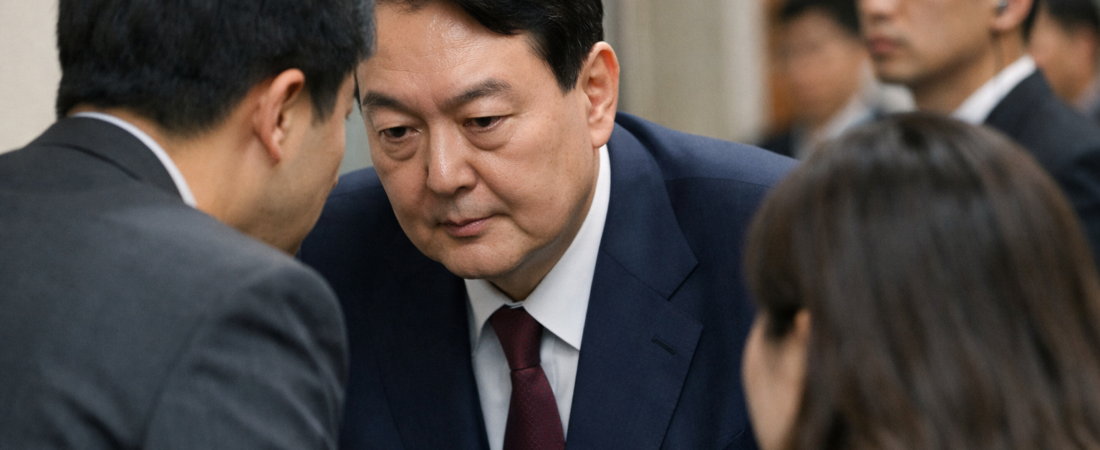
Yoon Suk-yeol is not the only political figure paying attention to these young demonstrators. The People Power Party leadership has been widening its contact with the so-called Olgong Youth, and the effort looks deliberate.
On August 10, the party’s Central Women’s Committee plans to hold a seminar called the “2030 Future Agenda Institute.” Fifty young and female party members are expected to attend, discussing topics like whether voting alone completes democracy and how to protect freedom of expression.
Party leader Jang Dong-hyuk is reportedly coordinating his own attendance. That detail alone tells you how seriously the party leadership takes this outreach.
Since the local elections, Jang Dong-hyuk has focused heavily on courting younger voters. He has centered his message around voting rights and fairness — two themes that resonate directly with the Olgong Youth’s core demands.
Party lawmakers have invited YouTubers active at the protest site to National Assembly seminars. One event last month, titled “Olgong Youth Speak Out,” featured a YouTuber known for pushing the “Yoon Again” movement, a slogan calling for Yoon Suk-yeol’s political return.
Another seminar hosted by the party’s external cooperation committee in June drew participants linked to far-right youth groups. Jang Dong-hyuk himself recently attended a Busan rally organized by a “Yoon Again” aligned organization.
You have to wonder — is this smart coalition-building, or a risky bet on a narrow slice of public opinion?
Risks and Rewards: What This Moment Means for Korea’s Future
Not everyone inside the People Power Party feels comfortable with this strategy. Some members worry that Olympic Park protesters do not actually represent the broader 2030 generation.
That’s a fair concern, isn’t it? A few hundred dedicated demonstrators are not the same as millions of young voters spread across the country with wildly different priorities.
Internal critics have raised a specific historical warning: don’t repeat former party leader Hwang Kyo-ahn’s mistake. Years ago, Hwang Kyo-ahn aligned closely with fringe protest movements, a move many analysts believe damaged the party’s broader appeal and alienated moderate voters.
History has a way of repeating itself in politics, especially when parties chase short-term energy over long-term strategy. The question now is whether Yoon Suk-yeol’s continued involvement helps or hurts the party’s rebuilding effort heading toward future elections.
His message to the protesters keeps his name alive in political conversation, but it also ties the party’s image to a controversial figure still fighting legal battles. For global readers watching Korean politics, this episode offers a window into a familiar pattern: populist energy from the streets slowly working its way into mainstream party strategy.
It happens in democracies everywhere, from grassroots movements gaining establishment attention to former leaders using loyal followers to stay politically relevant. Korea’s version simply comes with its own local flavor — ballot paper shortages, prison messages, and a nickname born from a public park.
Where this goes next depends on how the People Power Party balances two competing instincts. One instinct says: energize your base, however small, and let their passion spread.
The other says: don’t let a vocal minority define your entire party identity. Yoon Suk-yeol clearly understands the power of a well-timed message.
Whether Korean voters broadly agree with that message remains an open question, one that will likely shape party strategy well into 2026. What do you think — does courting a small but passionate protest group help a political party grow, or does it risk narrowing its appeal at exactly the wrong moment?
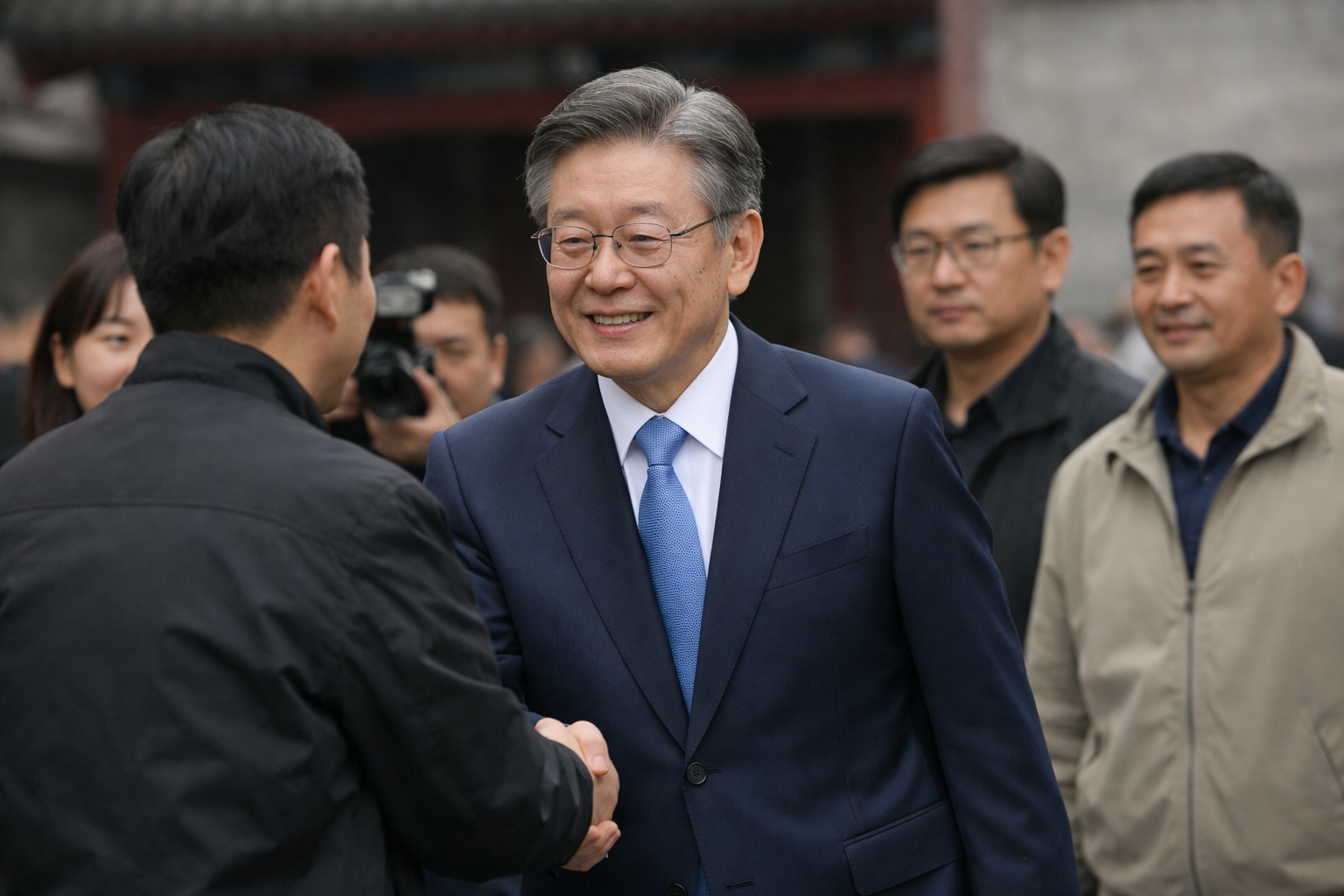
AI-Generated Photorealistic Image — All people, scenes, and details in this image are entirely AI-generated and fictional. Not a real photograph of an actual person or event. 이 이미지는 AI로 생성된 가상 이미지입니다.

Leave a Reply