Table of Contents
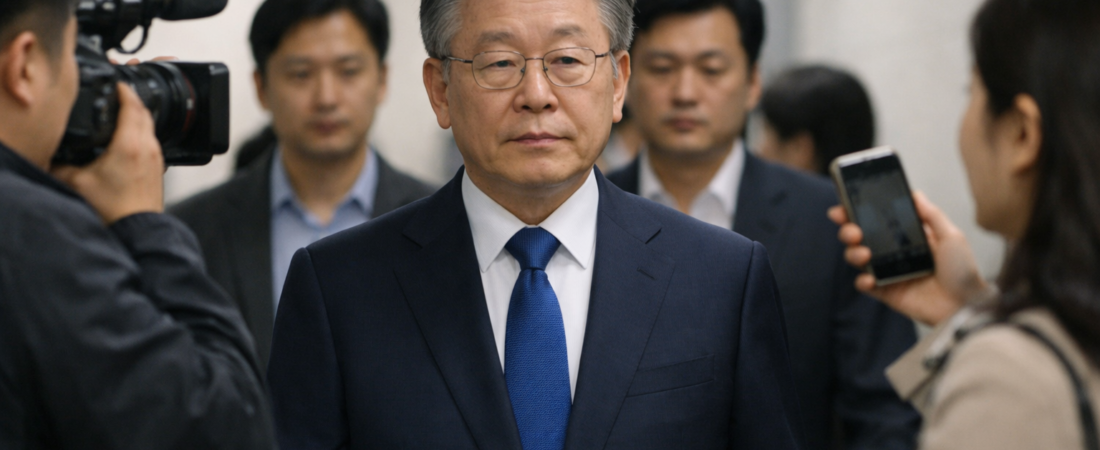
Would you sell your home for 2.9 billion won, then help the buyer borrow most of it back? That’s the question swirling around President Lee Jae-myung right now. His family’s former apartment in Bundang has become the center of a political storm, and the details are more complicated than they first appear.
This isn’t just a real estate story. It’s a story about trust, timing, and how ordinary transactions can turn into political weapons in Korea. Let’s break down what actually happened, and why it matters.
The Bundang Apartment Sale: What Lee Jae-myung’s Family Did
President Lee Jae-myung and his wife once owned an apartment in Bundang, a district in Gyeonggi Province known for its aging but valuable apartment complexes. That apartment recently sold for 2.9 billion won. On paper, this looks like a simple, high-value real estate deal.
But look closer, and something unusual appears. A collateral mortgage worth 1.77 billion won was registered against the new buyer, not against Lee Jae-myung’s family. That’s over 60 percent of the total sale price, tied directly to the person who just purchased the home.
Why would a buyer need such a large loan right after closing? The presidential office offered an explanation. It said the mortgage reflected the buyer’s personal financial situation, not any hidden arrangement involving Lee Jae-myung.
According to the office, the sale was rushed because of two practical concerns. First, there were worries about the buyer failing to pay the remaining balance. Second, the property faces an upcoming reconstruction schedule, which adds pressure to finalize deals quickly.
Bundang apartments, especially older complexes, often become reconstruction targets. Timing sales around reconstruction announcements is common in Korean real estate. Still, the size of this mortgage raised eyebrows almost immediately.
Understanding the Mortgage: Why 1.77 Billion Won Matters
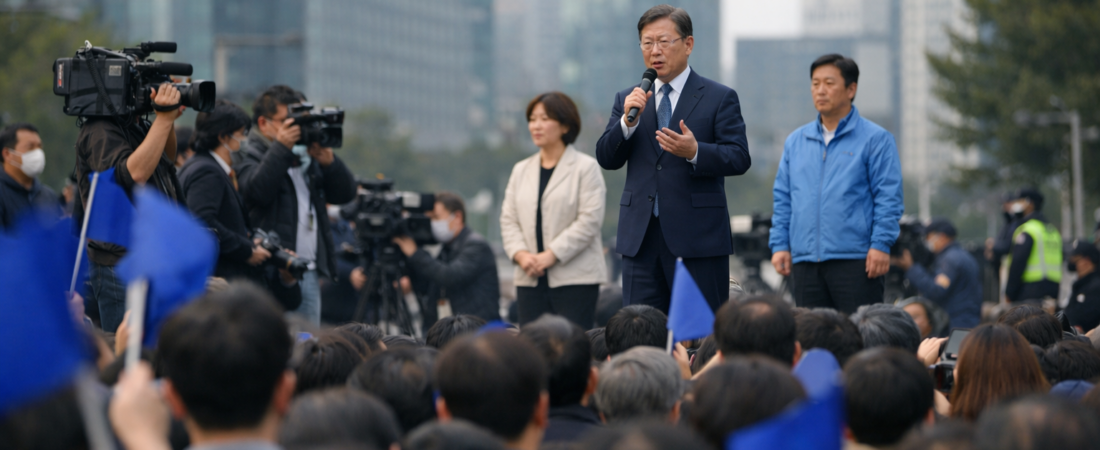
Let’s talk about what a “geunjeodang,” or collateral mortgage, actually means. In Korea, this type of mortgage secures a loan using the property itself as collateral. It’s a normal part of many real estate transactions, especially large ones.
But normal doesn’t always mean simple. A 1.77 billion won mortgage on a 2.9 billion won property is a significant amount. That ratio alone invites scrutiny, particularly when the seller happens to be the sitting president’s family.
Korea has strict loan-to-value regulations designed to cool overheated housing markets. These rules limit how much banks can lend against a property’s value, especially in regulated zones like Gyeonggi Province. So how did this buyer secure such a large loan?
The presidential office says the arrangement followed the buyer’s own financial circumstances and timing needs. It denies any special treatment linked to Lee Jae-myung or his family. Critics, however, aren’t fully convinced.
This is where the story shifts from real estate to politics. Numbers alone don’t explain intent. And in Korean politics, perception often matters as much as fact.
For readers unfamiliar with Korean property law, verifying registered mortgages is public information. Anyone can check a property’s collateral status through Korea’s official registry system, similar to how Korea Herald reported on this specific case using publicly available records.
Political Fallout: How the Opposition Is Framing Lee Jae-myung
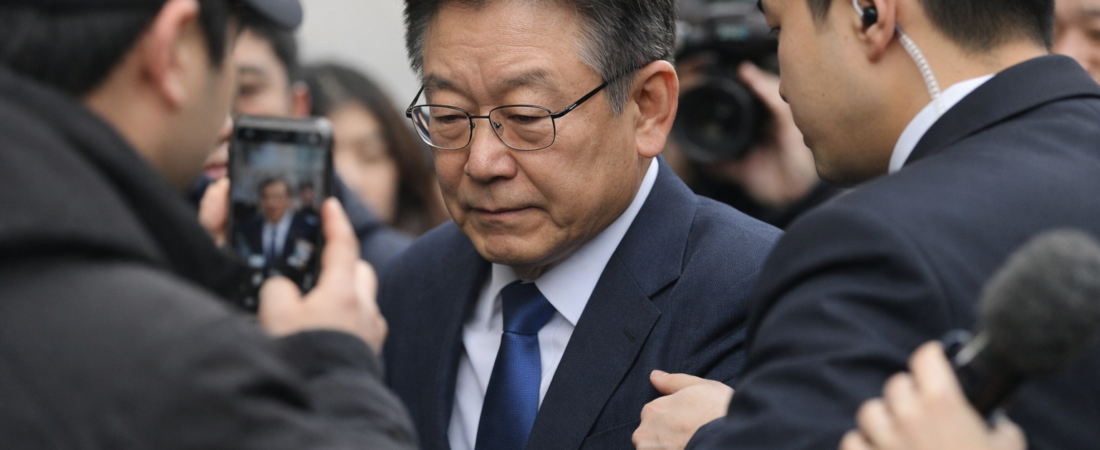
Enter the People Power Party. Korea’s main opposition party wasted no time reacting to the news. Their message was direct and sharp.
They called the mortgage arrangement a “loophole deal.” Their argument goes like this: the buyer avoided normal loan restrictions by borrowing directly through this specific transaction structure. In their view, this benefited someone close to Lee Jae-myung’s inner circle.
Is this fair criticism, or political opportunism? That’s the question dividing Korean commentators right now. Opposition parties routinely scrutinize presidential family finances, and this isn’t the first time Lee Jae-myung has faced such claims.
Political rivals often use real estate deals as ammunition in Korea. Property prices, especially in Seoul and Gyeonggi Province, remain a sensitive national issue. Any hint of unfair advantage tends to generate immediate public reaction.
The People Power Party argues this case fits a pattern. They claim large loans structured around personal transactions can help borrowers dodge stricter mortgage caps meant for average homebuyers. If true, that would undermine housing policies Lee Jae-myung’s own administration has promoted.
The presidential office rejects this framing entirely. It maintains the mortgage size reflects the buyer’s needs, not preferential treatment. Still, the optics remain challenging for Lee Jae-myung, given his administration’s frequent emphasis on housing fairness.
Korean politics has a long history of scrutinizing leaders’ personal wealth and property dealings. From past presidents to lawmakers, real estate transactions often become symbolic battlegrounds. Trust, once questioned, is hard to fully restore.
What This Means for Korea’s Housing Rules and Public Trust
So what should you take away from this story? First, this case highlights how complex Korea’s mortgage regulations really are. Even simple-sounding sales can involve significant legal and financial nuance.
Second, it shows how quickly private transactions become public controversies when a president is involved. Lee Jae-myung didn’t personally arrange the buyer’s loan, according to his office. But because his name is attached to the property, every detail faces public examination.
Third, this moment reflects a broader tension in Korean society. Housing affordability remains one of the country’s most emotional political issues. When leaders appear connected to large financial arrangements, public skepticism naturally follows.
Will this controversy fade quickly, or grow into a lasting political liability for Lee Jae-myung? That depends largely on transparency. If the presidential office releases clearer documentation about the buyer’s financial background, public concern may ease.
If questions remain unanswered, the opposition will likely continue using this case as a talking point. Korean voters tend to remember unresolved financial controversies, especially involving housing. And housing, as many Koreans will tell you, touches almost every family’s daily life.
For global readers watching Korean politics, this case offers a useful lesson. Presidential accountability extends beyond policy decisions. It includes personal financial dealings too, even indirect ones like a family apartment sale.
Lee Jae-myung’s administration now faces a familiar challenge many Korean leaders have encountered before. Managing public perception while defending private family matters isn’t easy. How this unfolds will say a lot about transparency standards under his presidency.
What do you think about how Korean leaders handle personal financial scrutiny like this? Does this case reflect a real problem, or simply political noise? Either way, it’s worth watching how Lee Jae-myung’s team responds in the coming weeks.
AI-Generated Photorealistic Image — All people, scenes, and details in this image are entirely AI-generated and fictional. Not a real photograph of an actual person or event. 이 이미지는 AI로 생성된 가상 이미지입니다.



Leave a Reply