Table of Contents
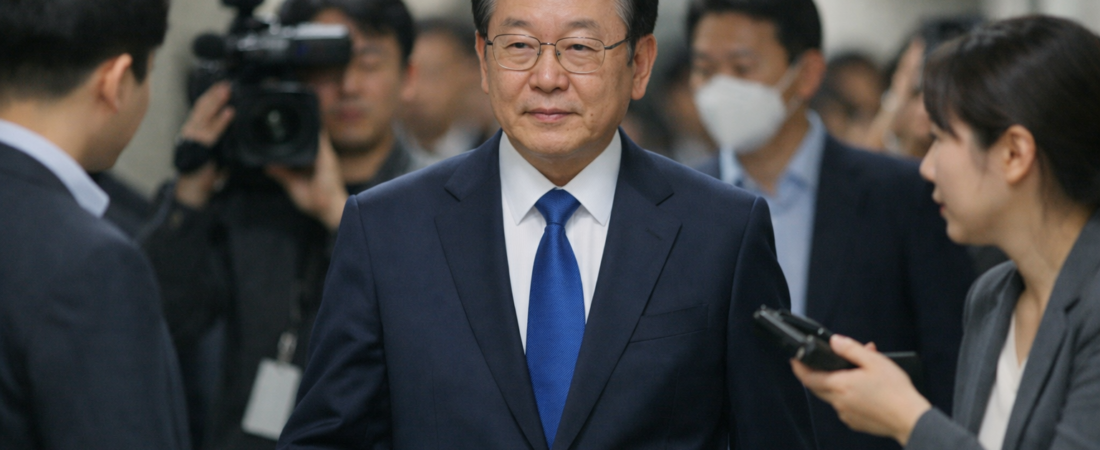
Would you sell your home to someone who needed a huge loan to pay you? That’s exactly the question surrounding President Lee Jae-myung right now. His family’s Bundang apartment sale has turned into a political storm, and the details matter more than you might think.
A property deal involving a sitting head of state always draws attention. But this one comes with a twist involving debt, timing, and Korea’s strict housing loan rules.
A 2.9 Billion Won Sale That Raised Eyebrows
President Lee Jae-myung and his wife once owned an apartment in Bundang, a well-known district in Gyeonggi Province. That apartment recently sold for 2.9 billion won. On paper, this looks like a simple transaction between a seller and a buyer.
But look closer, and things get complicated. Reports show the buyer took on a registered lien worth 1.77 billion won. That’s roughly 61 percent of the total sale price, which is a striking number.
Why does this matter? Because in Korea, real estate deals involving public figures face intense scrutiny. President Lee Jae-myung has built much of his political identity around housing fairness and anti-speculation policy. So when his own property sale involves unusual financing, people naturally ask questions.
The presidential office has responded publicly to the controversy. Officials explained that the arrangement reflected the buyer’s personal financial situation. They also pointed to redevelopment plans affecting the building’s timeline, which added pressure to close the deal quickly.
Understanding the Mortgage Behind the Deal
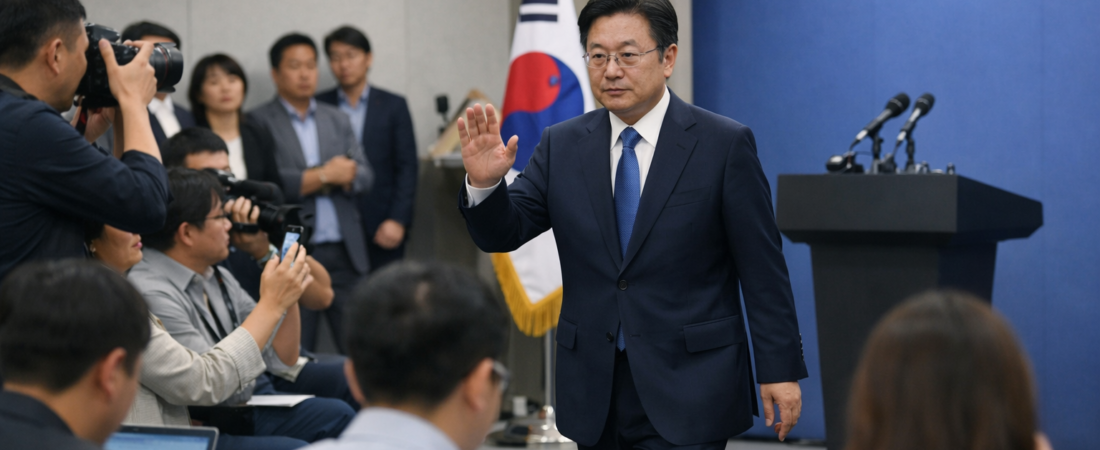
Let’s break down what a “geunjeodangkwon,” or registered lien, actually means. It’s essentially a legal claim placed on a property to secure a loan. Think of it as a formal IOU attached directly to the house itself.
In this case, the buyer needed to borrow a significant amount to complete the purchase. Instead of securing a traditional bank mortgage upfront, reports say the arrangement allowed the buyer more flexibility. The final payment reportedly comes due by the end of October.
Does this sound unusual to you? For everyday buyers, it might seem like a strange way to finance a home. But real estate experts note this method sometimes helps buyers navigate Korea’s tough lending caps, especially in high-price zones near Seoul.
Here’s the deeper issue. Korea has tightened mortgage regulations significantly to cool down housing speculation. Many buyers in Gyeonggi Province and Seoul face strict loan-to-value limits. Some critics argue this deal structure may have let the buyer sidestep those very limits.
President Lee Jae-myung’s administration has pushed hard for these lending restrictions as part of broader housing reform. That’s exactly why the optics of this sale feel uncomfortable to some observers. A transaction connected to the president’s own family, involving a workaround to loan rules he championed, creates an obvious tension.
The presidential office insists there was nothing improper about the sale itself. They frame it as a private matter shaped by market conditions and redevelopment scheduling. Still, private matters involving the president rarely stay private in Korean politics.
Political Fallout: The People Power Party Cries Foul
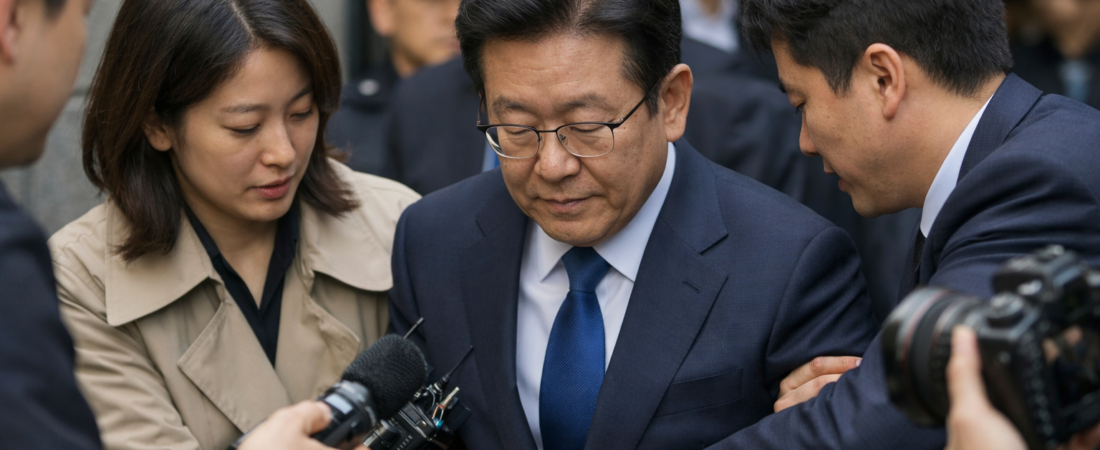
Politics moves fast when opportunity knocks. The opposition People Power Party wasted no time attacking the deal. They labeled it a “clever trick” designed to dodge lending regulations that ordinary citizens must follow.
Their argument is straightforward. If regular Koreans face strict borrowing limits when buying homes, shouldn’t the same rules apply to transactions connected to President Lee Jae-myung? Fairness, they argue, has to apply equally, regardless of political power.
This isn’t just about one apartment sale. It taps into a much larger frustration among Korean voters about housing affordability. Property prices in places like Bundang and Seoul have soared for years, pricing out younger buyers and middle-class families.
You can read more about the broader housing market dynamics fueling this anger from Korea JoongAng Daily, which has tracked similar controversies involving high-profile Korean property deals.
For the People Power Party, this controversy offers a political opening. They can question President Lee Jae-myung’s consistency between policy and personal practice. Whether that criticism sticks depends heavily on public perception over the coming weeks.
Supporters of President Lee Jae-myung, meanwhile, dismiss the outrage as opportunistic attacks. They argue the sale involved standard private financing arrangements common in Korea’s real estate market. Redevelopment timelines, they say, often force sellers and buyers into creative payment structures.
So who’s right here? The truth likely sits somewhere in the middle, tangled between genuine financial necessity and unfortunate political timing.
What This Means for President Lee Jae-myung’s Credibility
Every Korean president faces scrutiny over personal wealth and property. It comes with the job. But President Lee Jae-myung’s situation carries extra weight, given his long-standing reputation as a housing reform advocate.
Throughout his political career, President Lee Jae-myung has positioned himself as a champion for ordinary homeowners. He has criticized speculative real estate practices repeatedly. That history makes this particular controversy sting a bit more than a typical property story might.
Think about it from a voter’s perspective. If leaders ask citizens to follow strict lending rules, shouldn’t their own transactions reflect that same discipline? Perception matters just as much as legal technicality in politics.
Legally, nothing suggests wrongdoing occurred in this transaction. The presidential office has offered a reasonable explanation involving redevelopment timing and buyer circumstances. Yet reasonable explanations don’t always calm political storms, especially in Korea’s highly charged media environment.
This controversy also highlights something important about Korean politics more broadly. Housing remains one of the most emotionally charged issues for ordinary citizens. Any story touching property, debt, and presidential family finances will automatically draw fire from all sides.
Historically, Korean presidents have faced similar property-related controversies. Land deals, apartment purchases, and family assets have derailed political momentum before. President Lee Jae-myung now joins a long list of leaders forced to defend personal financial decisions publicly.
What happens next matters for his broader political standing. If public attention fades quickly, this becomes a minor news cycle. But if opposition parties keep pressing, it could shape perceptions heading into future policy debates.
Housing policy remains central to President Lee Jae-myung’s political brand. Any perceived inconsistency between his rhetoric and personal actions carries real political risk. Voters tend to remember these moments, especially when property prices remain a daily struggle for many families.
Looking ahead, expect continued scrutiny of high-value property transactions connected to top officials. Korea’s housing market remains a sensitive nerve for millions of citizens. Any story touching that nerve, especially one involving President Lee Jae-myung, will likely generate outsized attention regardless of the actual legal facts.
So where does this leave us? Transparency, timing, and public trust all intersect in ways that go beyond simple legal compliance. What do you think about how political leaders should handle personal property deals while pushing strict housing regulations for everyone else?
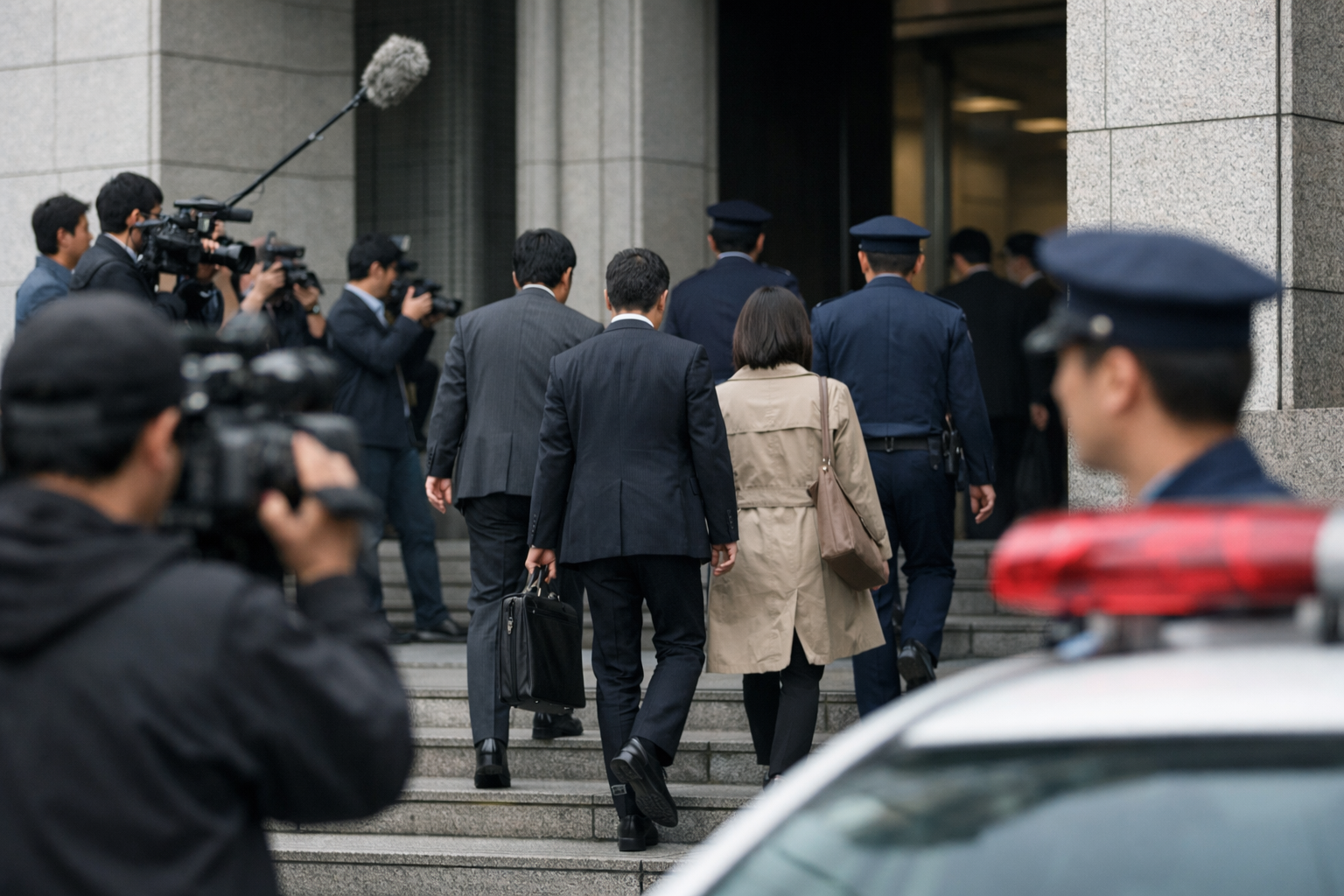
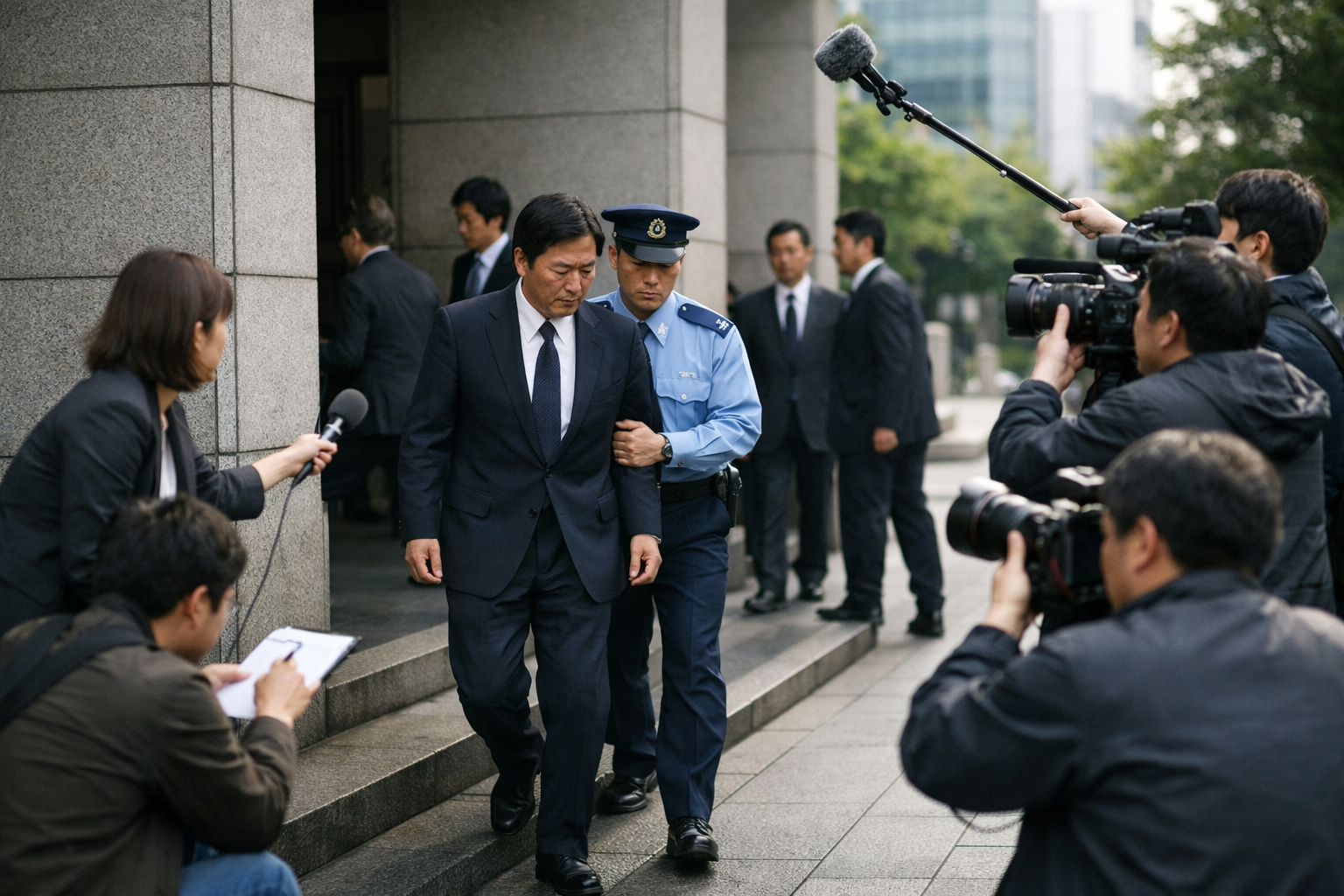
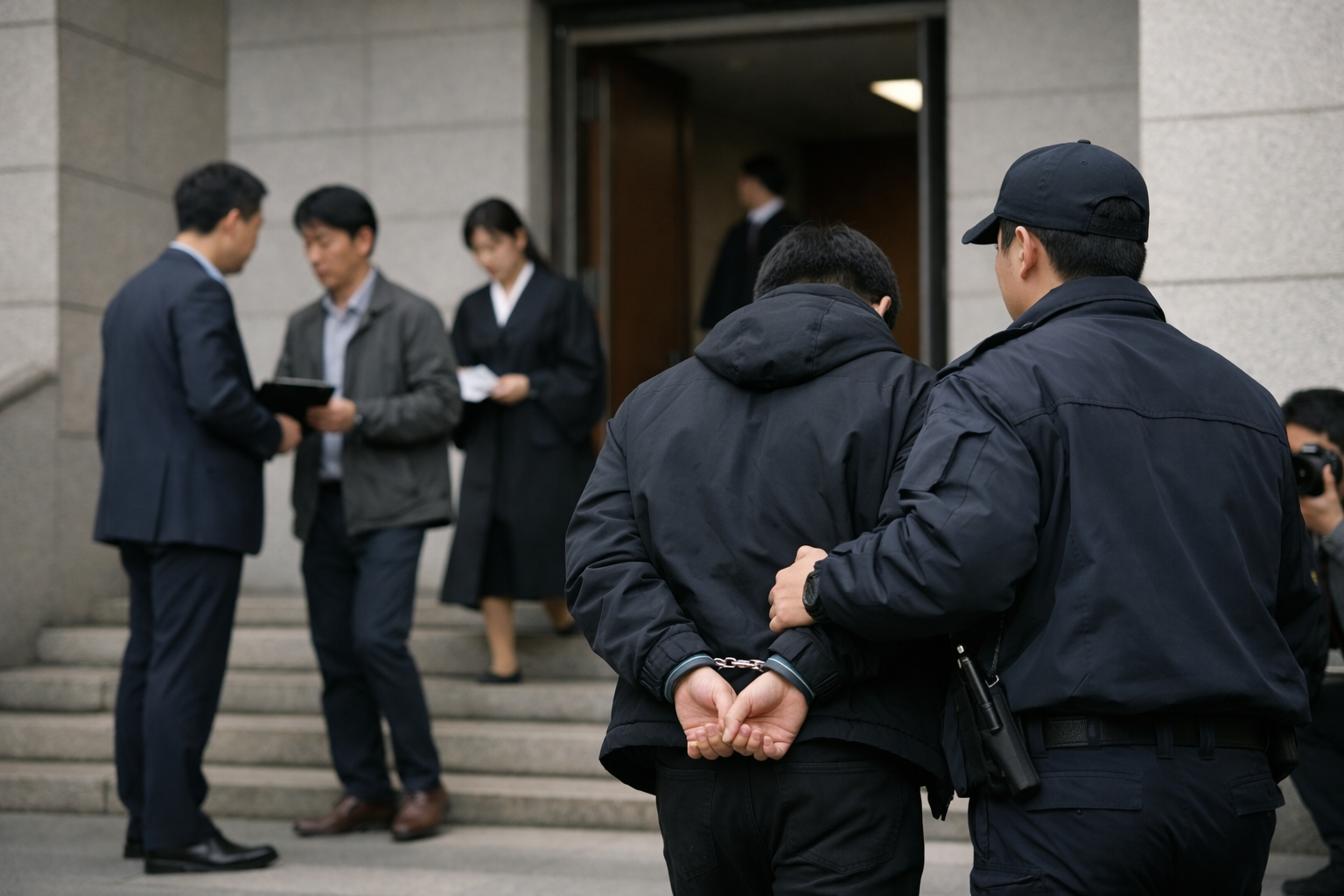
AI-Generated Photorealistic Image — All people, scenes, and details in this image are entirely AI-generated and fictional. Not a real photograph of an actual person or event. 이 이미지는 AI로 생성된 가상 이미지입니다.
Leave a Reply