Table of Contents
Right now in Korea, everyone at the National Assembly is talking about one law: the Criminal Procedure Act. As of this week, lawmakers just passed an amendment that strips prosecutors of investigative power they have held for 72 years.
Sound like a small legal tweak? It is not. This is one of the biggest shifts in Korea’s criminal justice system since the law first appeared in 1954.
What Just Happened: Criminal Procedure Act Amendment Passes
On Friday, the National Assembly passed a sweeping amendment to the Criminal Procedure Act. The vote was overwhelming: 175 in favor, 2 opposed, and 1 abstention out of 178 lawmakers present.
The ruling bloc, led by the Democratic Party of Korea, pushed the bill through after ending a filibuster by the main opposition People Power Party. That filibuster lasted only 24 hours before being forced to a vote.
Members of the People Power Party walked out of the chamber in protest as the ballots were cast. Even so, the amendment passed with near-unanimous support from those who stayed.
Interestingly, the ruling party itself was not fully united. Democratic Party lawmaker Kwak Sang-eon voted against the bill, worried about side effects from fully abolishing prosecutors’ supplementary investigation power.
Fellow party member Lee So-young abstained for similar reasons. Their votes show that even inside the majority, this Criminal Procedure Act overhaul raised real concerns.
Why This Matters: 72 Years of Prosecutorial Power
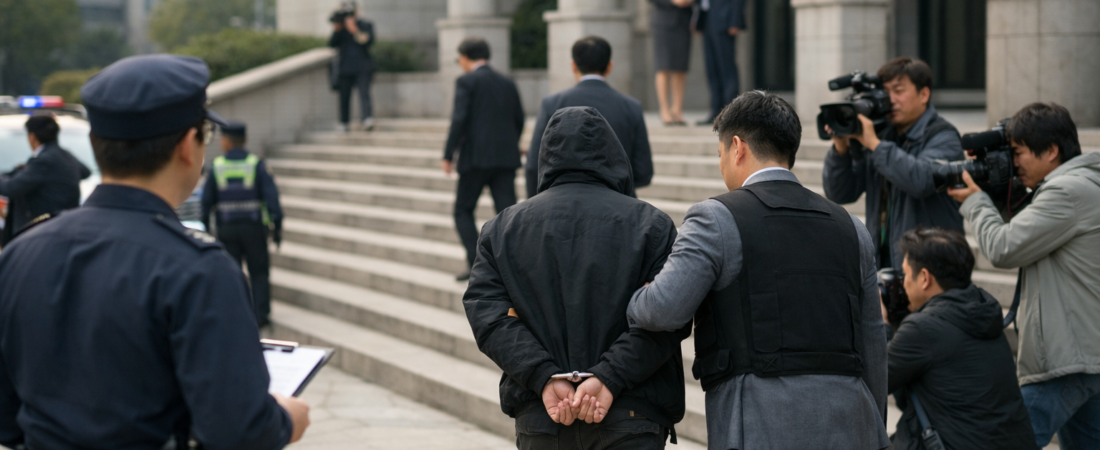
Since the Criminal Procedure Act was enacted in 1954, prosecutors in Korea have held direct investigative authority. That power let them open cases, gather evidence, and direct police investigations on their own.
Under the new amendment, that authority disappears completely. Prosecutors also lose their supplementary investigation power, keeping only a narrower right to request additional investigation from police.
Why does this history matter to you, even outside Korea? Because it shows how deeply institutional power can become embedded, and how hard it is to unwind decades later.
Korea’s prosecutors have long combined investigation and prosecution in one office. Critics called this combination a concentration of power rarely seen in democratic countries.
Supporters of the old system argued it produced faster, more thorough investigations. This debate over the Criminal Procedure Act taps into a much older question: how much power should one institution hold?
The amendment also adds new grounds for courts to dismiss prosecutions. Judges can now throw out cases involving “serious illegal investigation or significant deviation of prosecutorial discretion.”
That addition gives courts a stronger check on how cases are built in the first place. For readers who want the original Korean broadcast details, you can review the report from SBS News.
Political Battle Lines: Reform or Rollback?

Democratic Party floor leader Han Byung-do called the vote a historic turning point. He said separating investigation from prosecution places prosecutorial power under constitutional and public control.
That framing positions the Criminal Procedure Act change as a democratic safeguard. To supporters, it finally breaks up a system where one office both investigates and decides who gets charged.
People Power Party floor leader Jeong Jeom-sik saw it very differently. He argued a majority of the public actually opposed abolishing prosecutors’ supplementary investigation power, calling the move a rejection of public opinion.
His party has already announced plans to challenge the outcome. They are asking the president to use veto power, and they plan to file a constitutional petition against the amendment.
Is this really about legal principle, or is it about who holds power next? Both sides claim they are protecting ordinary citizens from abuse.
The presidential office responded carefully, saying it respects the National Assembly’s final decision. It added that separating investigation from prosecution should prevent power from concentrating in one place, while improving protection for crime victims and the public.
That statement suggests the amendment will likely be signed rather than vetoed. Still, a constitutional challenge could keep this Criminal Procedure Act fight alive for months.
What Comes Next for Korea’s Criminal Procedure Act
The same session also saw drama over a separate National Assembly Act amendment. It would shorten the review period for fast-tracked bills from 330 days to just 90 days.
The People Power Party launched a filibuster against that bill too. It ended automatically at midnight when the July extraordinary session closed.
That bill is now expected to pass in August, once the new extraordinary session opens its first plenary meeting. Combined with the Criminal Procedure Act overhaul, it signals a broader push by the ruling bloc to reshape how laws move through parliament.
For everyday Koreans, the real test comes later. Will removing prosecutors’ investigative power actually speed up justice, or will it create new gaps between police and prosecution?
For global readers, this moment matters beyond Korea’s borders. It offers a live case study in how democracies rebalance power between investigators, prosecutors, and courts, a question many countries continue to wrestle with in their own way.
Expect legal challenges, political sparring, and public debate to continue well into the fall. The Constitutional Court’s eventual ruling, if the petition proceeds, could reshape this Criminal Procedure Act amendment yet again.
What do you think about Korea’s decision to fully separate investigation from prosecution?
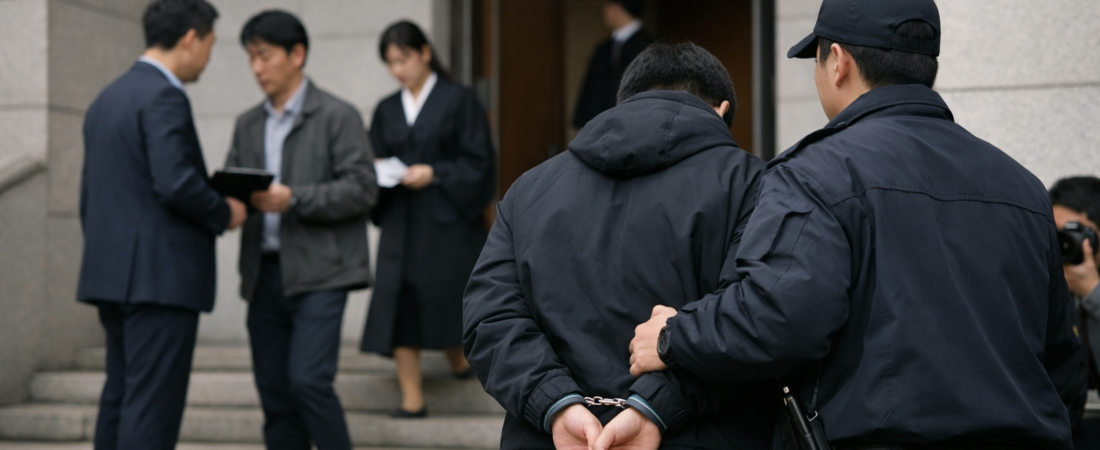
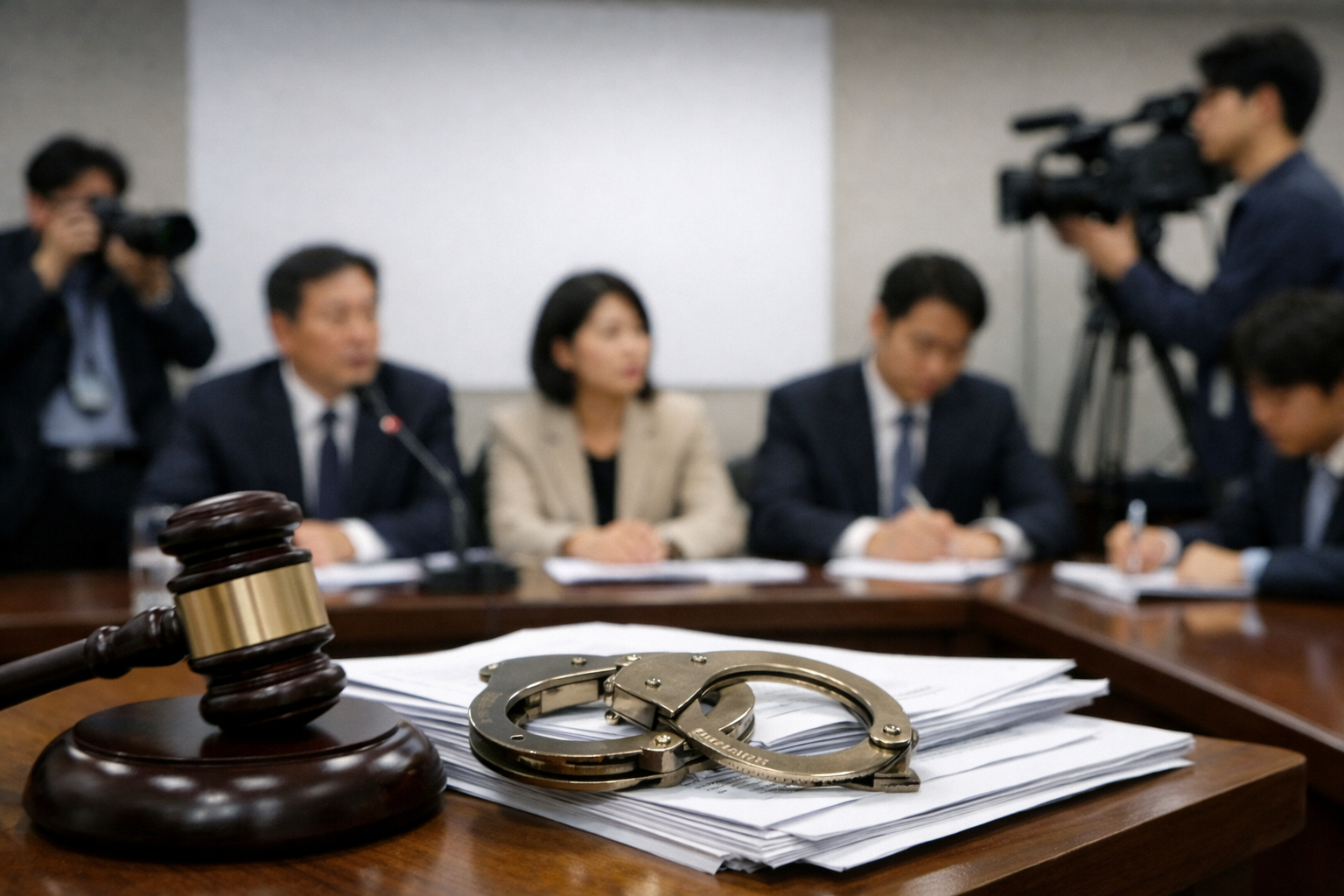
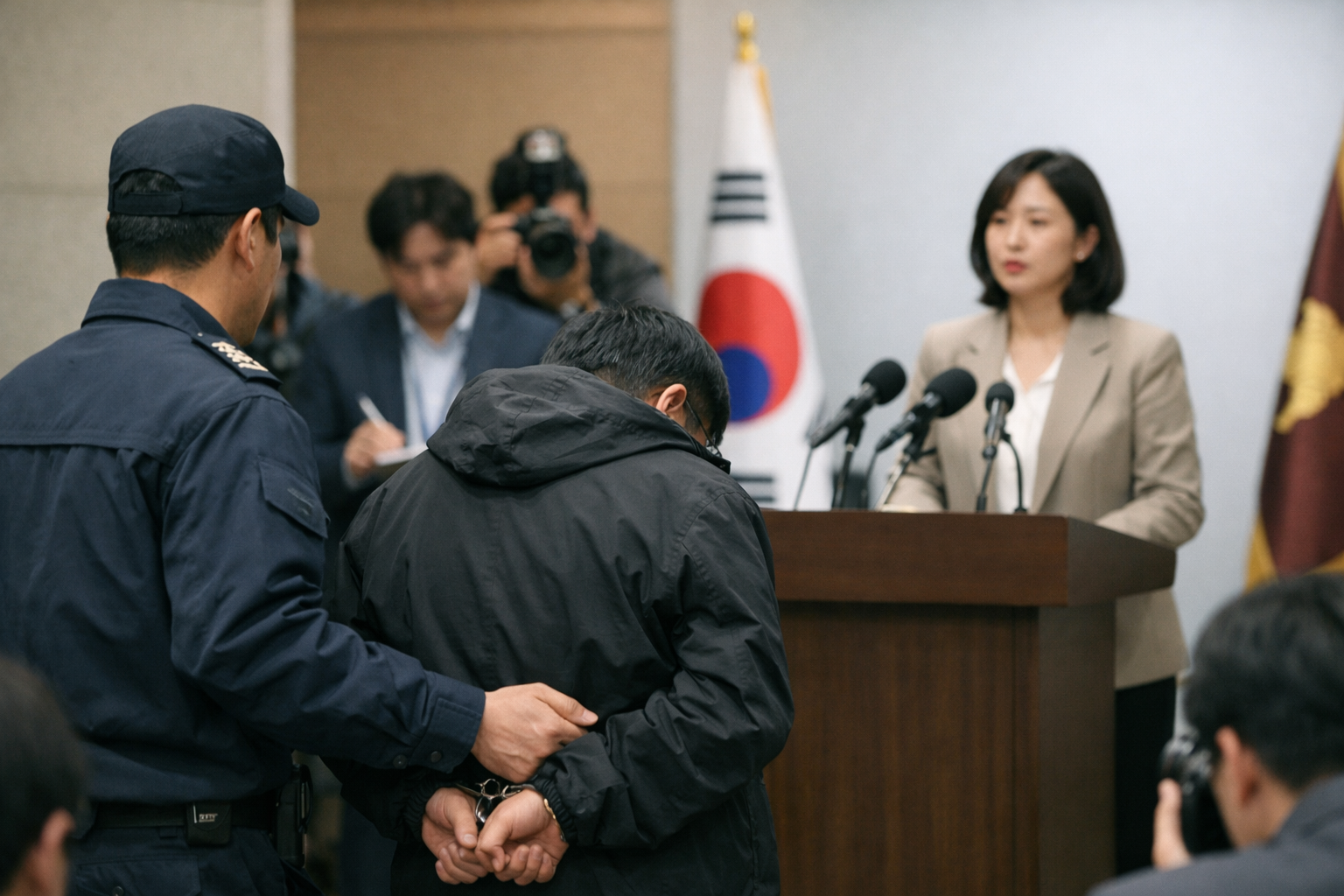
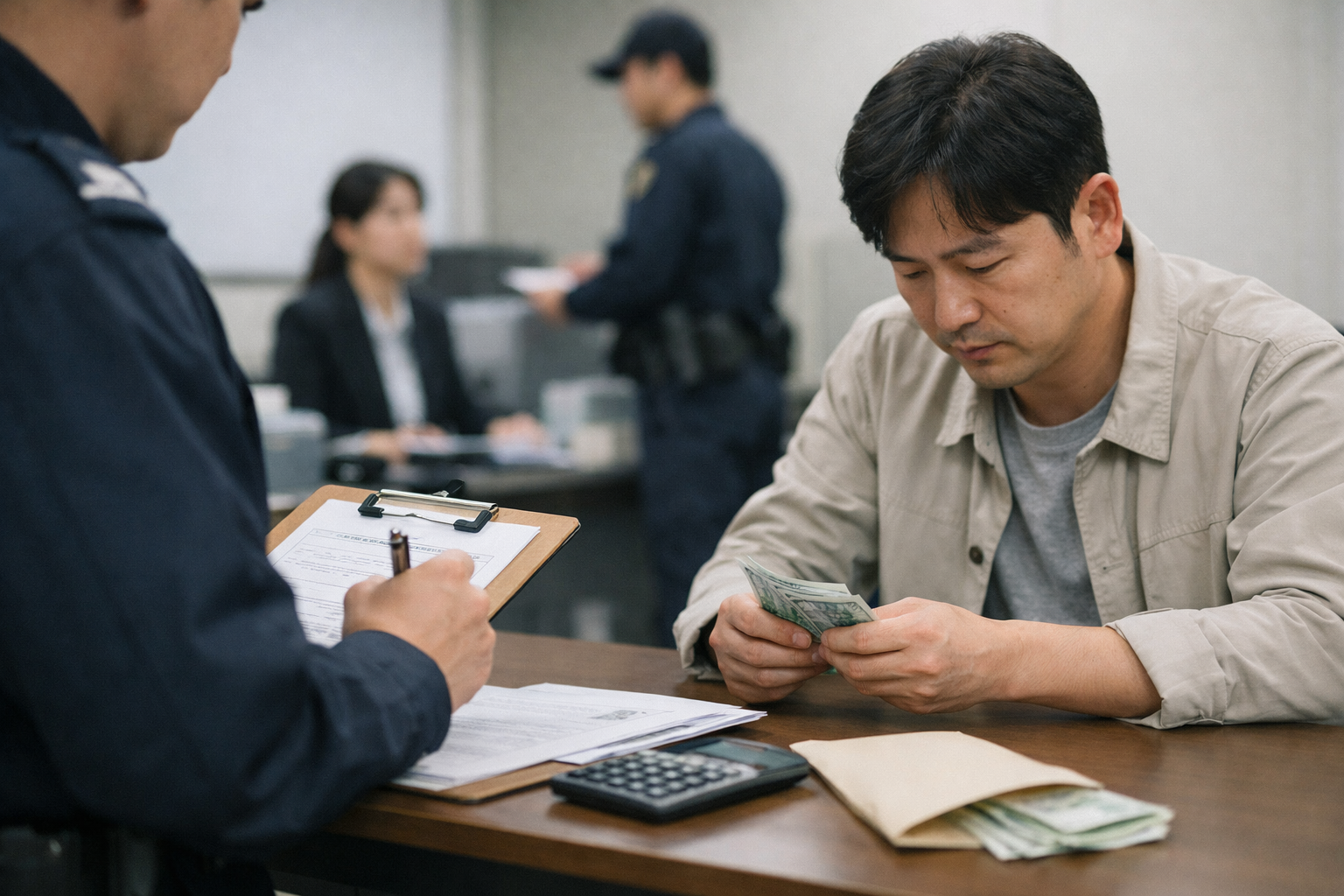
AI-Generated Photorealistic Image — All people, scenes, and details in this image are entirely AI-generated and fictional. Not a real photograph of an actual person or event. 이 이미지는 AI로 생성된 가상 이미지입니다.

Leave a Reply