Table of Contents
A Report That Arrived Too Late for Korea’s Criminal Procedure Act Amendment
Right now in Korea, lawmakers and legal experts are asking a simple but troubling question. How does a major bill pass the National Assembly when the expert review meant to inform it shows up one hour before the final vote?
That is exactly what happened this week with the Criminal Procedure Act amendment. The bill expands the grounds for courts to dismiss criminal charges, a change one lawmaker himself called a “tremendous shift” in how trials will work.
Yet the very report requested to study that shift never made it into the debate. It landed on lawmakers’ desks at 3:38 p.m., roughly one hour before the Criminal Procedure Act amendment cleared the full National Assembly.
What the Criminal Procedure Act Amendment Actually Changes
Let’s back up and look at what this bill actually does. Under the previous law, courts could dismiss a criminal case for a limited set of procedural reasons.
The new Criminal Procedure Act amendment adds two more grounds. Prosecutors can now see their cases thrown out for “filing charges based on seriously unlawful investigations” or for “grossly exceeding prosecutorial discretion.”
On paper, this sounds like a technical adjustment. In practice, it opens the door to challenges that were never possible before, including arguments that evidence itself was tainted and a case should be voided entirely.
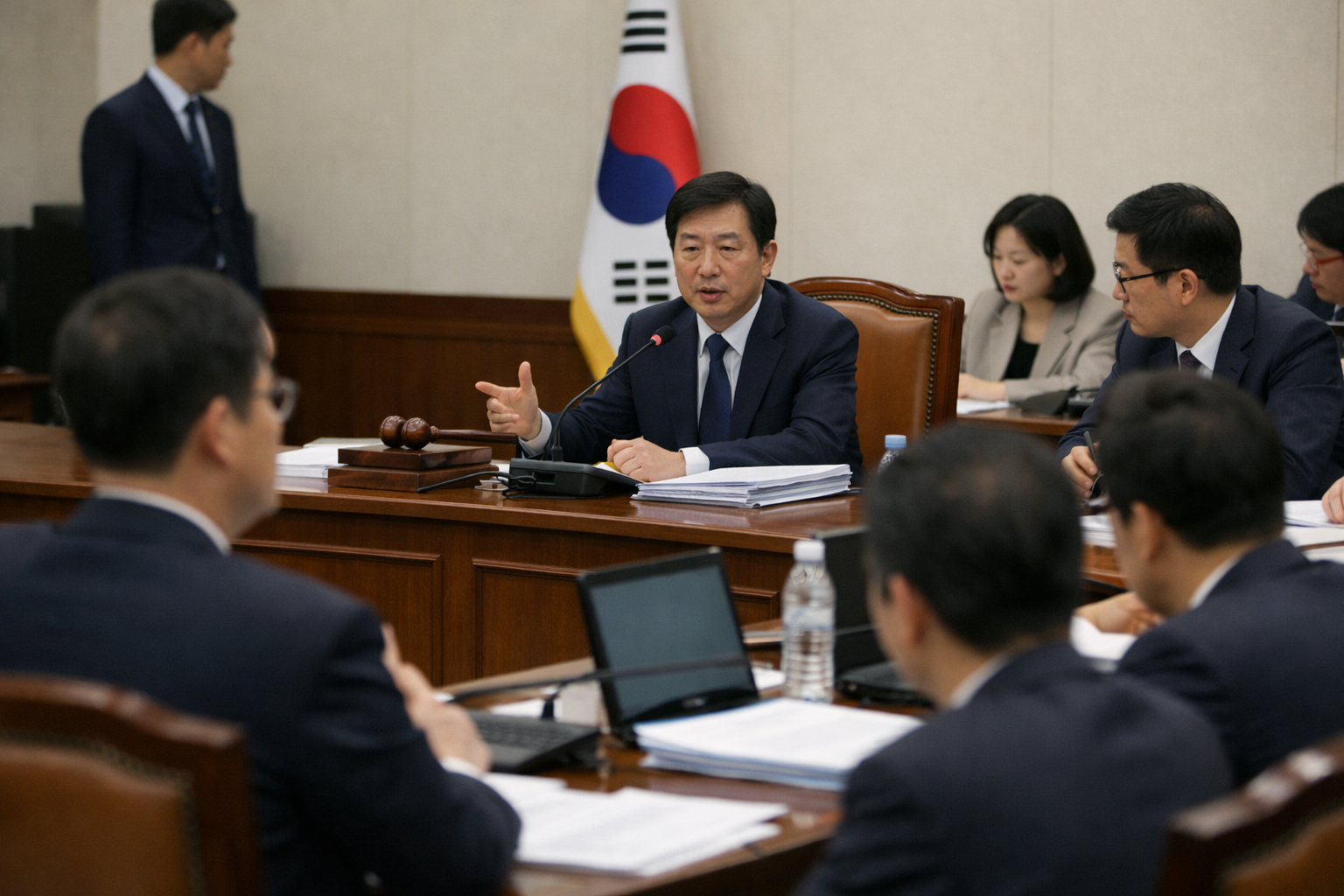
That is precisely why Kim Seung-won, the Democratic Party lawmaker who chairs the Legislation and Judiciary Committee’s bill review subcommittee, flagged the issue during a session on July 15. According to the official meeting record, Kim told Ki Woo-jong, deputy minister at the National Court Administration, that “a tremendous change in trials is expected.”
He asked the court’s administrative body to study exactly how trials would change and what safeguards might be needed. He wanted that answer by the following week, meaning around July 20.
This wasn’t a minor request buried in paperwork. It came from the subcommittee chair himself, aimed directly at the institution best positioned to foresee the practical fallout of the Criminal Procedure Act amendment.
Why the Timing of the Court’s Review Matters
So what actually happened between that request and the final vote? Nothing, for weeks, at least on paper.
SBS obtained the document itself, titled “Review Related to the Legalization of Abuse of Prosecutorial Power.” The National Court Administration finished it, but it did not reach the National Assembly until this week, well past the requested deadline.
By the time it arrived, the subcommittee had already moved through nine separate sessions reviewing the Criminal Procedure Act amendment. No lawmaker on record appears to have checked in the meantime whether the requested review had even been submitted.
Think about that gap for a moment. A body chaired by a lawmaker who predicted “tremendous” change asked for expert input, then spent multiple sessions debating the same bill without ever following up on that request.
When the report finally did arrive, its content suggests it would have mattered. The National Court Administration laid out real-world examples of cases where courts had recognized abuse of prosecutorial power, alongside cases where they had not.
Its conclusion was measured but pointed: the amendment does borrow language already used in case law, but lawmakers still needed to weigh the advantages and disadvantages before deciding on it as a matter of legislative policy. That is a polite way of saying, this deserves more scrutiny than it got.
You have to wonder how many other reports like this quietly miss their moment. If a subcommittee chair’s own request can slip through the cracks, what does that say about smaller, less visible requests buried elsewhere in the legislative process?
There’s also a separate wrinkle worth noting here. Kim’s office publicly accused SBS of distorting his remarks through selective editing after the network first reported on the added grounds for case dismissal.
But the National Assembly’s own published minutes show Kim’s quoted words were taken directly from the record, unedited. You can verify this yourself through the SBS News report, which lays out the timeline documented from the official committee minutes.
What This Means for Trust in Korea’s National Assembly
Why should this matter to anyone outside Korea’s legal community? Because it touches something universal: how laws get made when the people writing them move faster than the experts they claim to consult.
The Criminal Procedure Act amendment isn’t a minor technical tweak. It reshapes how prosecutors and defendants interact in court, and it does so by expanding judicial discretion in ways that legal scholars will likely debate for years.
For global readers watching Korea’s democratic institutions, this case offers a small but telling window. Even in a functioning parliamentary system with public meeting records and formal review requests, expert input can still arrive too late to matter.
That gap between process and practice is not uniquely Korean. But it does raise a fair question for Korea’s National Assembly going forward: what mechanism, if any, will ensure that a report requested for “next week” doesn’t quietly slip to the week after the bill has already passed?
The National Court Administration’s review didn’t oppose the Criminal Procedure Act amendment outright. It simply asked for the kind of careful, informed debate that major legal changes deserve.
Whether that debate happens now, after the fact, or gets lost in the next news cycle remains to be seen. What do you think about how Korea’s National Assembly should handle expert review requests on bills as consequential as this one?
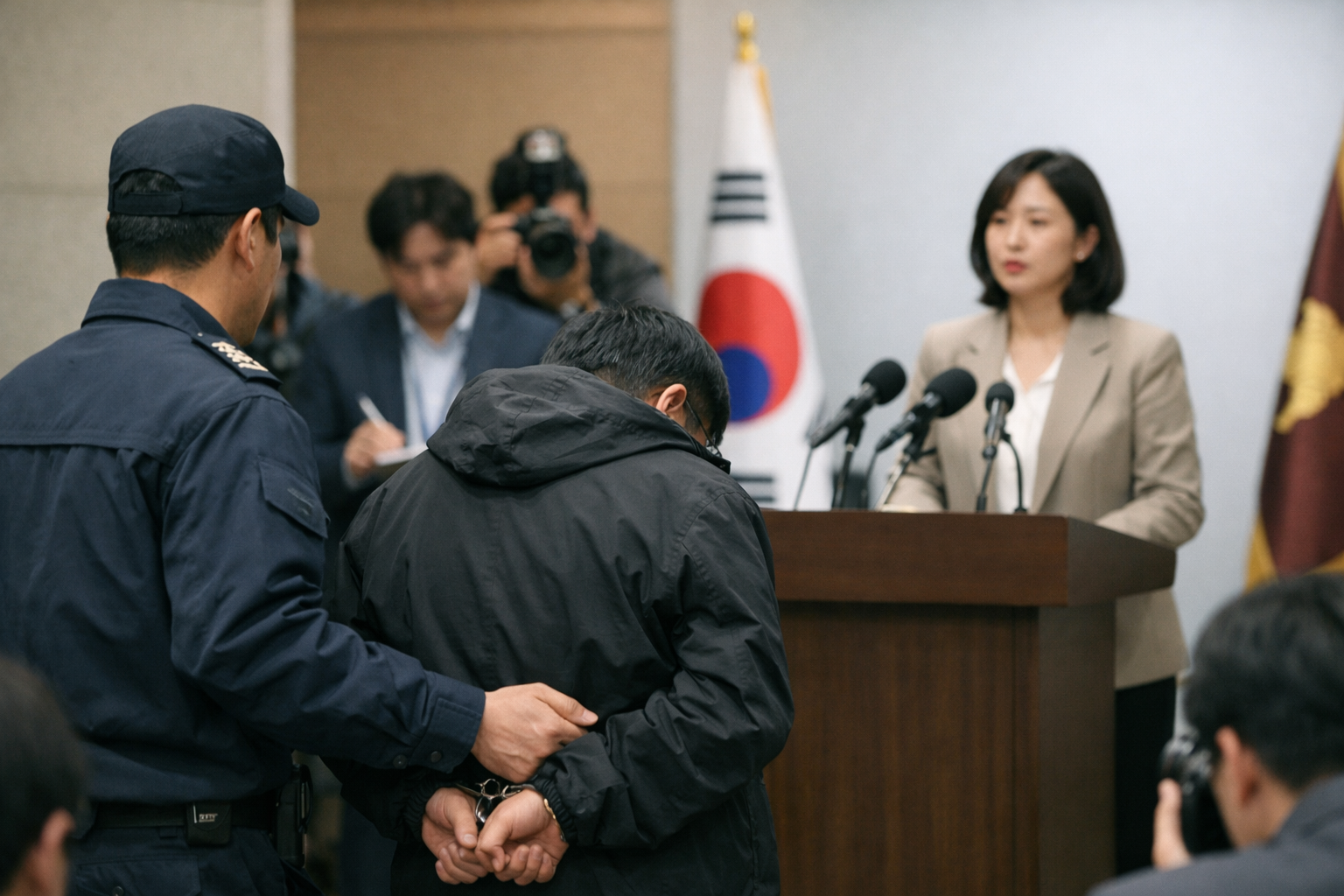
AI-Generated Photorealistic Image — All people, scenes, and details in this image are entirely AI-generated and fictional. Not a real photograph of an actual person or event. 이 이미지는 AI로 생성된 가상 이미지입니다.
Leave a Reply