
Table of Contents
- What Are Administrative Criminal Penalties, and Why Reform Them Now?
- Inside Korea’s New Task Force: Who Is Involved and What Comes Next
- Balancing Fairness and Enforcement: The Real Challenge — Administrative Criminal Penalties Under Review
- What This Reform Means for Citizens, Businesses, and Korea’s Future
What happens when a single country has more than 11,000 different ways to punish people for breaking rules? That’s exactly the puzzle Korea is now trying to solve. On July 30, the government launched a nationwide task force to overhaul its system of administrative criminal penalties, and the scale of this project is hard to ignore.
This isn’t a small tweak to a few outdated laws. It’s a full review of over 11,165 penalty regulations spread across dozens of government agencies. So why does this matter to you, even if you’ve never set foot in Korea?
What Are Administrative Criminal Penalties, and Why Reform Them Now?
Administrative criminal penalties are legal punishments attached to violations of regulatory rules — things like business licensing errors, safety code breaches, or minor reporting failures. Unlike core criminal law, these penalties often apply to everyday economic activity. Over decades, Korea added rule after rule, and today the system includes over 11,000 separate penalty clauses.
Many of these administrative criminal penalties were written for a different economic era. Some punish minor paperwork mistakes as harshly as serious wrongdoing. Others barely register a fine for genuinely harmful conduct.
President Lee Jae-myung raised this imbalance directly during recent cabinet meetings. He argued that Korea’s regulatory system needed to distinguish clearly between small errors and real harm. That call from the top office is what pushed this reform from talking point to official task force.
The Ministry of Government Legislation, known in Korean as Beopjecheo, is leading the charge. Cho Won-cheol, the head of the ministry, announced the task force’s official launch this week. His stated goal is simple: reduce unnecessary social cost while keeping real accountability intact.
Inside Korea’s New Task Force: Who Is Involved and What Comes Next

The newly formed group is called the Government-wide Penalty Rationalization Task Force. It brings together roughly 40 people from multiple agencies, including the Ministry of Government Legislation, the Ministry of Economy and Finance, the Ministry of Justice, the Ministry of Land, Infrastructure and Transport, and the Ministry of Oceans and Fisheries.
Leading day-to-day operations is Choi Young-chan, Vice Minister of the Ministry of Government Legislation. Researchers and legal experts round out the team. Have you ever wondered how many government bodies it actually takes to fix a tangled legal system? Apparently, in Korea’s case, the answer is at least five ministries working side by side.
The task force isn’t starting from scratch, though. It will immediately begin a priority review of about 1,200 regulations chosen for their high impact and public relevance. Think of it as triage — treating the most urgent cases first while the fuller review of all 11,165 rules continues in parallel.
Alongside the government team, an advisory committee made up of legal scholars and practicing attorneys will weigh in throughout the process. This step matters. Bringing outside experts into a government-led reform adds a layer of accountability that pure bureaucratic review often lacks.
By the end of this year, the task force plans to release two major documents. One is a comprehensive standard for judging which administrative criminal penalties are fair and which are outdated. The other is a two-year roadmap laying out exactly how reforms will roll out step by step.
Balancing Fairness and Enforcement: The Real Challenge — Administrative Criminal Penalties Under Review

Here’s where things get genuinely tricky. The task force isn’t simply trying to loosen rules across the board. It wants to ease the burden of administrative criminal penalties on ordinary citizens and small businesses, while actually strengthening consequences for serious wrongdoing.
That’s a delicate balancing act. Cut too much, and you risk letting real harm slide with a slap on the wrist. Cut too little, and businesses keep facing punishments that don’t match the size of their mistakes.
Officials have been explicit about this dual direction. Minor violations should see reduced administrative criminal penalties, freeing up resources and lowering anxiety for law-abiding citizens and companies. Meanwhile, financial responsibility for genuine misconduct should increase, and socially condemned crimes should face firmer responses than before.
You can find useful comparison points in how other countries have approached similar reforms. Regulatory rationalization efforts in places like the OECD have often focused on the same core question: does the punishment match the harm? For more background on how administrative penalty systems function globally, you can review coverage from SBS News, which has tracked Korea’s evolving regulatory landscape closely.
Cho Won-cheol summed up the ambition well, saying the goal is to resolve imbalances in punishment and reduce the social costs tied to regulation and law enforcement. In plain terms, he wants ordinary people to actually feel the difference in daily life. That’s a high bar for any government reform to clear.
What This Reform Means for Citizens, Businesses, and Korea’s Future
So what does an 11,000-regulation overhaul actually mean for you? If you run a small business in Korea, this reform could directly change how much risk you carry for minor administrative slip-ups. Fewer disproportionate administrative criminal penalties could mean lower compliance anxiety and more room to focus on actually running your company.
For everyday citizens, the promise is a fairer legal system — one where punishment scales with actual wrongdoing rather than bureaucratic habit. Isn’t that really what most people want from any justice system? Predictability and proportionality tend to build public trust far more than harsh, uneven enforcement ever could.
There’s also a broader economic angle worth considering. Korea has spent years trying to position itself as business-friendly while maintaining strong social protections. Streamlining administrative criminal penalties fits into that larger strategy, potentially easing friction for both domestic firms and international investors watching Korea’s regulatory reputation.
Of course, real change depends on execution, not announcements. Task forces are common in Korean governance, and not every one delivers lasting reform. This one has presidential backing, a concrete two-year roadmap, and measurable targets — three things that tend to separate genuine reform from symbolic gesture.
Over the next year, watch for the release of the comprehensive standard and roadmap promised by year’s end. That document will reveal whether this task force can turn a massive regulatory tangle into something citizens and businesses can actually understand. What do you think — can Korea successfully rebalance thousands of administrative criminal penalties without losing its grip on serious accountability?
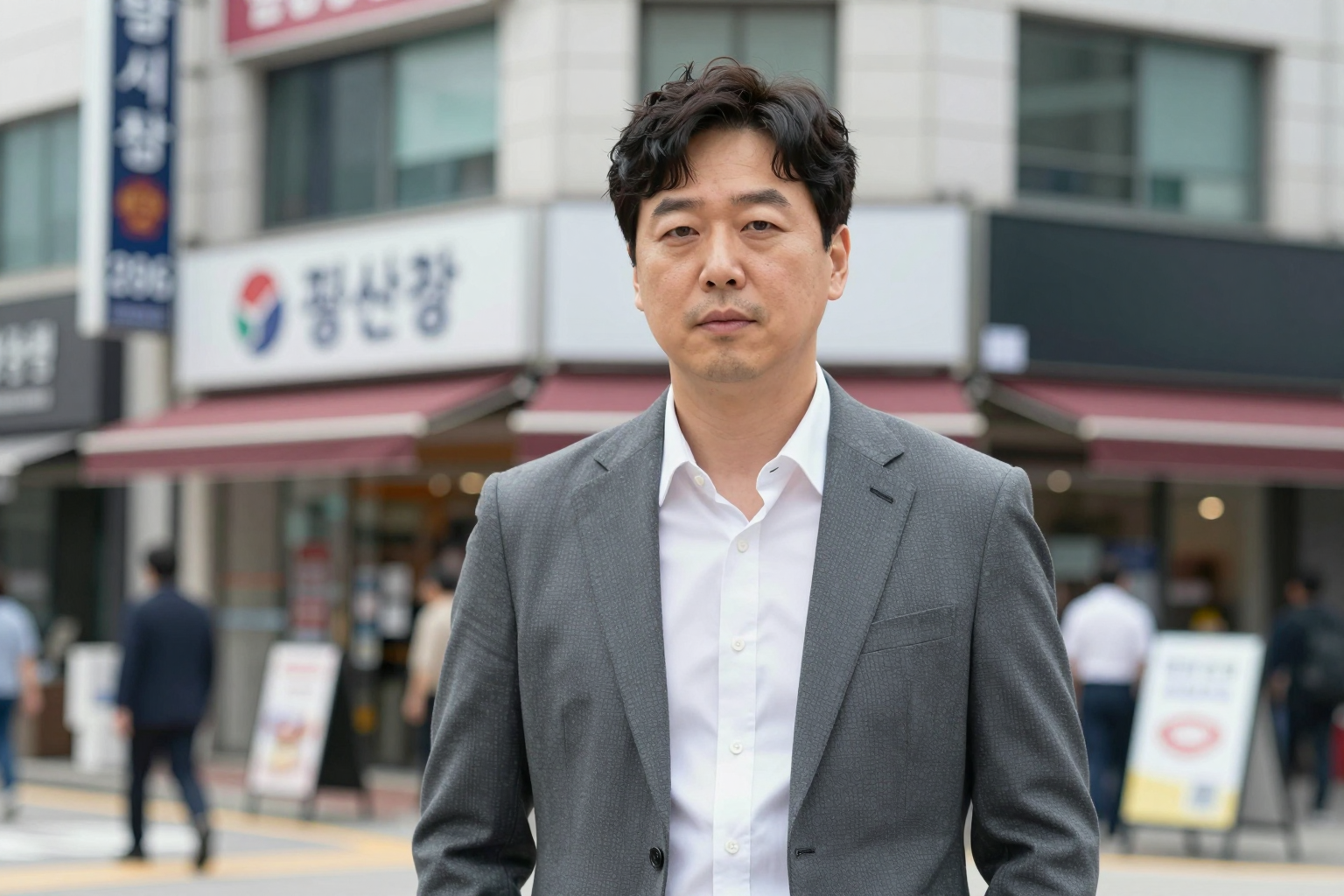
AI-Generated Photorealistic Image — All people, scenes, and details in this image are entirely AI-generated and fictional. Not a real photograph of an actual person or event. 이 이미지는 AI로 생성된 가상 이미지입니다.



Leave a Reply