Table of Contents
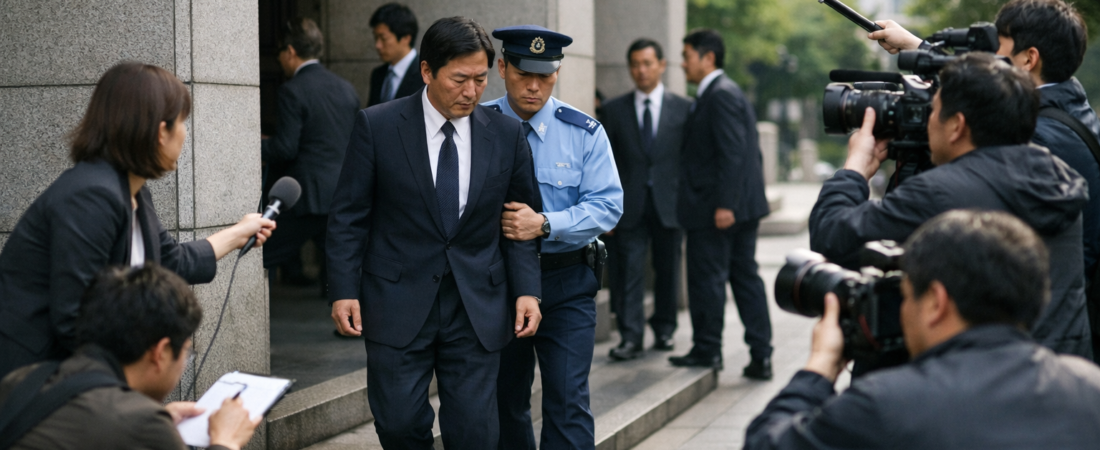
Right now in Korea, the National Assembly is at the center of a political earthquake. Lawmakers just passed the Criminal Procedure Act amendment, a bill that strips prosecutors of their investigative power entirely. This single vote ends a system that has stood for 72 years.
Sounds dramatic? It is. Supporters call it a historic turning point. Critics call it a betrayal of public opinion. Either way, this week’s vote will reshape how criminal justice works in Korea for years to come.
National Assembly Passes the Criminal Procedure Act Amendment
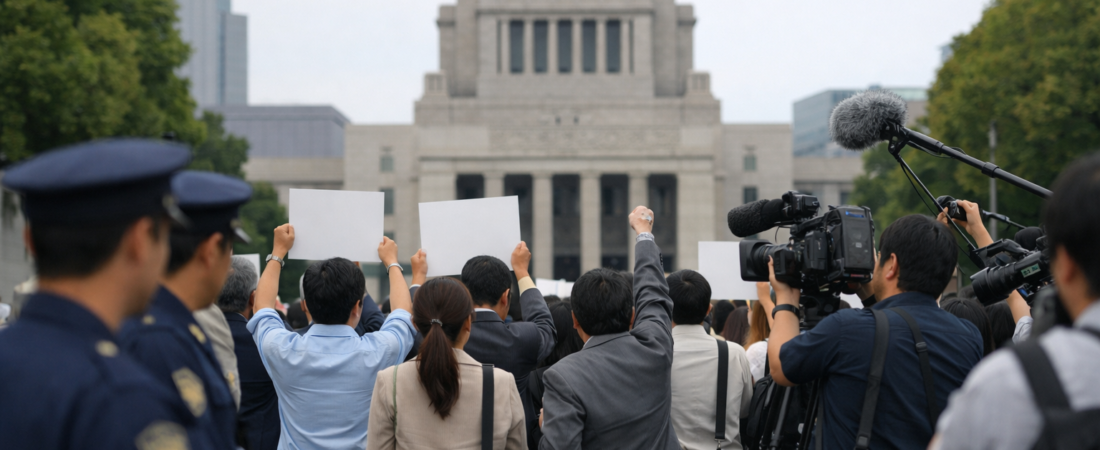
The vote happened fast. Ruling bloc lawmakers forced an end to the People Power Party’s filibuster after just 24 hours. Then came the roll call, and the result was decisive.
Out of 178 lawmakers present, 175 voted in favor. Only two voted against, and one abstained. The People Power Party walked out of the chamber in protest before the ballot even closed.
What exactly does the Criminal Procedure Act amendment do? It removes prosecutors’ investigative authority completely, along with their power to demand supplementary investigations from police. Only one tool remains: prosecutors can still request that police conduct additional investigation, but they can no longer investigate cases themselves.
The amendment also expands the grounds on which courts can dismiss a case. Judges can now throw out prosecutions involving “serious illegal investigation” or a “significant deviation of prosecutorial discretion.” That’s a meaningful expansion of judicial oversight over how prosecutors build their cases.
Interestingly, the ruling Democratic Party wasn’t fully united. Lawmaker Gwak Sang-eon voted against the bill, worried about unintended side effects from a full repeal of supplementary investigation power. Lawmaker Lee So-young abstained for similar reasons, showing that even within the majority, doubts remain.
72 Years of Prosecutorial Power: Why This Moment Matters
Here’s the historical weight behind this vote. Korea’s Criminal Procedure Act was first enacted in 1945, in the chaotic years right after liberation from Japanese colonial rule. Since then, prosecutors have held broad investigative authority — until now.
Why does this history matter to you as a reader outside Korea? Because Korea’s prosecutorial system has long been unusually powerful compared to many democracies. Prosecutors here could investigate, indict, and even influence sentencing recommendations, concentrating enormous authority in one office.
That concentration of power became a recurring flashpoint in Korean politics. Reform-minded lawmakers have pushed for years to separate investigation from indictment, arguing that no single institution should control both stages of a criminal case. The Criminal Procedure Act amendment is the culmination of that decades-long push.
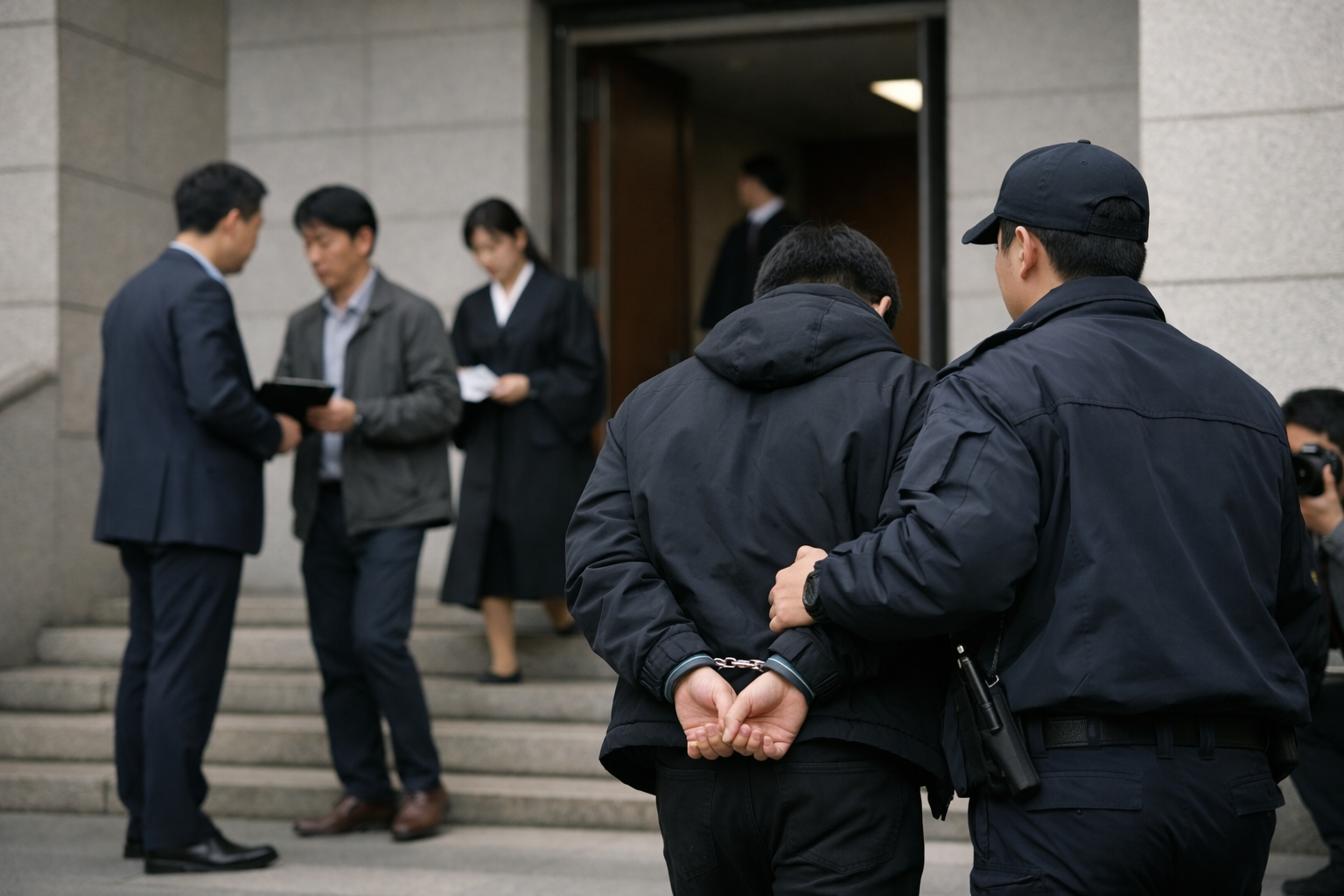
Think of it like this: imagine if the same office that gathered evidence against you also decided whether to charge you, with almost no external check. That was the core criticism reform advocates raised again and again. Whether this new law fixes that imbalance, or simply shifts the risk elsewhere, is exactly what critics and supporters are now arguing about.
For readers curious about the broader legal debate, outlets like SBS News have covered how this reform fits into Korea’s larger push to rebalance investigative authority between police, prosecutors, and the courts.
Democratic Party vs. People Power Party: Two Very Different Reactions

So how did each side respond? The contrast could not be sharper. Democratic Party floor leader Han Byung-do called the vote a “historic turning point,” framing it as placing prosecutorial power under constitutional and public control.
His argument centers on one idea: separating investigation from indictment prevents any single office from becoming too powerful. That’s the core justification behind the entire Criminal Procedure Act amendment. For the ruling bloc, this is about structural balance, not punishment.
People Power Party floor leader Jeong Jeom-sik saw it very differently. He argued that more than half the public actually opposed abolishing prosecutors’ supplementary investigation power, citing polling to back his claim. In his words, the Democratic Party is “going against public sentiment.”
Is he right that public opinion opposes this move? Polling on complex legal reforms is notoriously hard to interpret, since most citizens don’t follow the technical details of investigative procedure. But the political messaging battle here matters just as much as the legal substance — both sides know this vote will become a campaign talking point.
The presidential office added its own measured statement, saying it “respects the National Assembly’s final decision.” It further noted that separating investigation from indictment “prevents the monopolization of power” while aiming to strengthen protections for victims and citizens’ human rights. That’s a notably neutral tone from the executive branch, especially given how contentious this reform has been.
What Comes Next After the Criminal Procedure Act Amendment
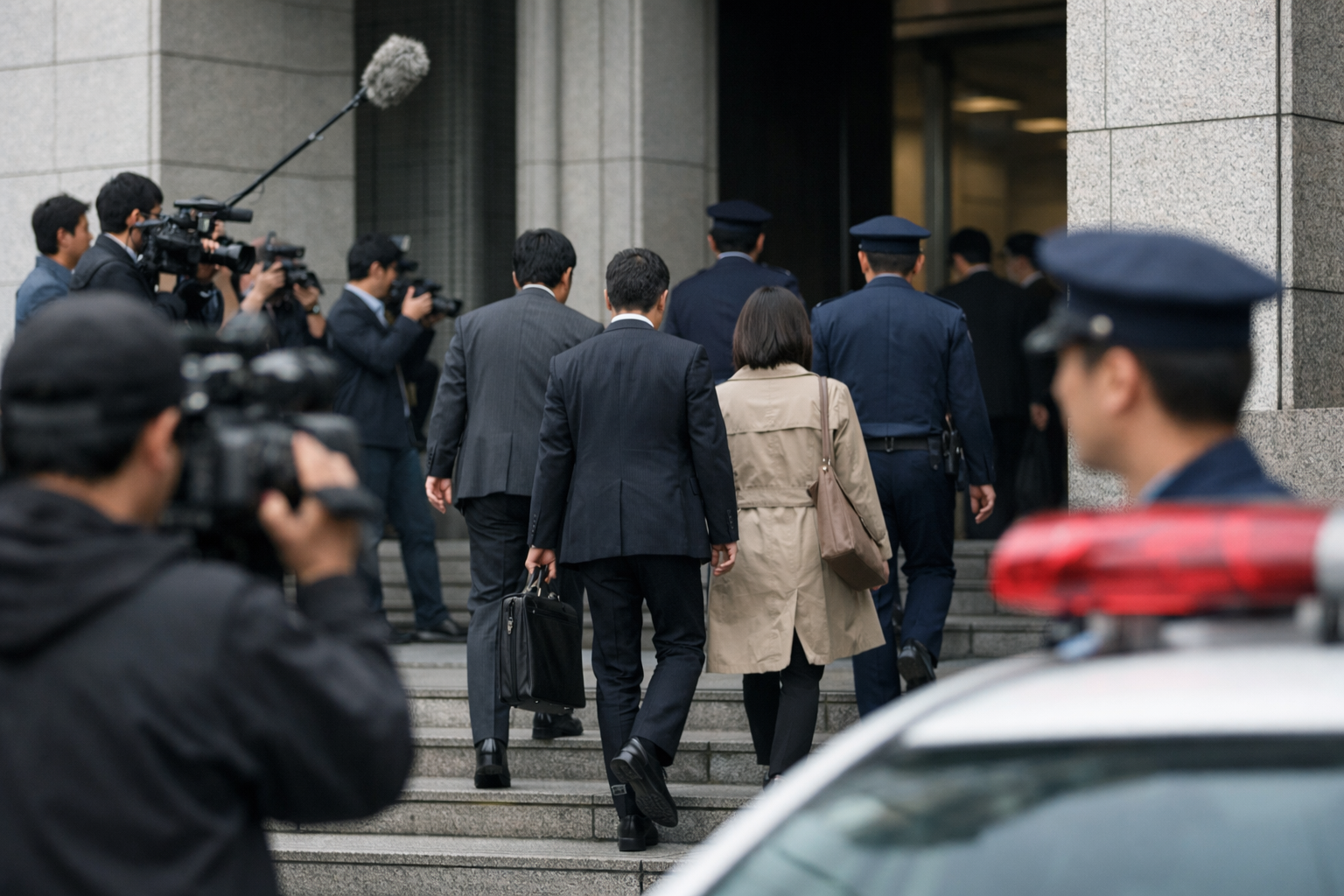
Is this really the final word? Not quite yet. The People Power Party has already demanded a presidential veto and announced plans to file a constitutional complaint against the Criminal Procedure Act amendment.
That means this fight moves from the Assembly floor to the Constitutional Court next. Legal challenges like this can take months, sometimes longer, before a final ruling emerges. Until then, the amendment’s practical implementation remains somewhat uncertain.
There’s also a second, related battle brewing. A separate National Assembly Act amendment, which would shorten the review period for fast-tracked bills from 330 days to just 90 days, was also introduced this session. The People Power Party filibustered that bill too, but the filibuster automatically ended at midnight when the July special session closed.
That bill is now expected to pass during the August special session, again under Democratic Party leadership. So the same political dynamic — ruling bloc majority versus opposition resistance — looks set to repeat itself almost immediately. Korean politics rarely takes a summer break, it seems.
What should global readers take away from all this? Korea is actively rewriting how power gets checked and balanced within its justice system, and the outcome will influence how ordinary citizens experience investigations, trials, and their own legal rights for decades. This isn’t just an internal Korean legal debate — it’s a live case study in how democracies wrestle with concentrated institutional power.
Watching how the Constitutional Court eventually rules, and whether the presidential office chooses to exercise its veto, will tell us a lot about where Korea’s checks-and-balances system is headed next. Do you think separating investigation from prosecution makes a justice system fairer, or does it simply move the risk of unchecked power somewhere else?
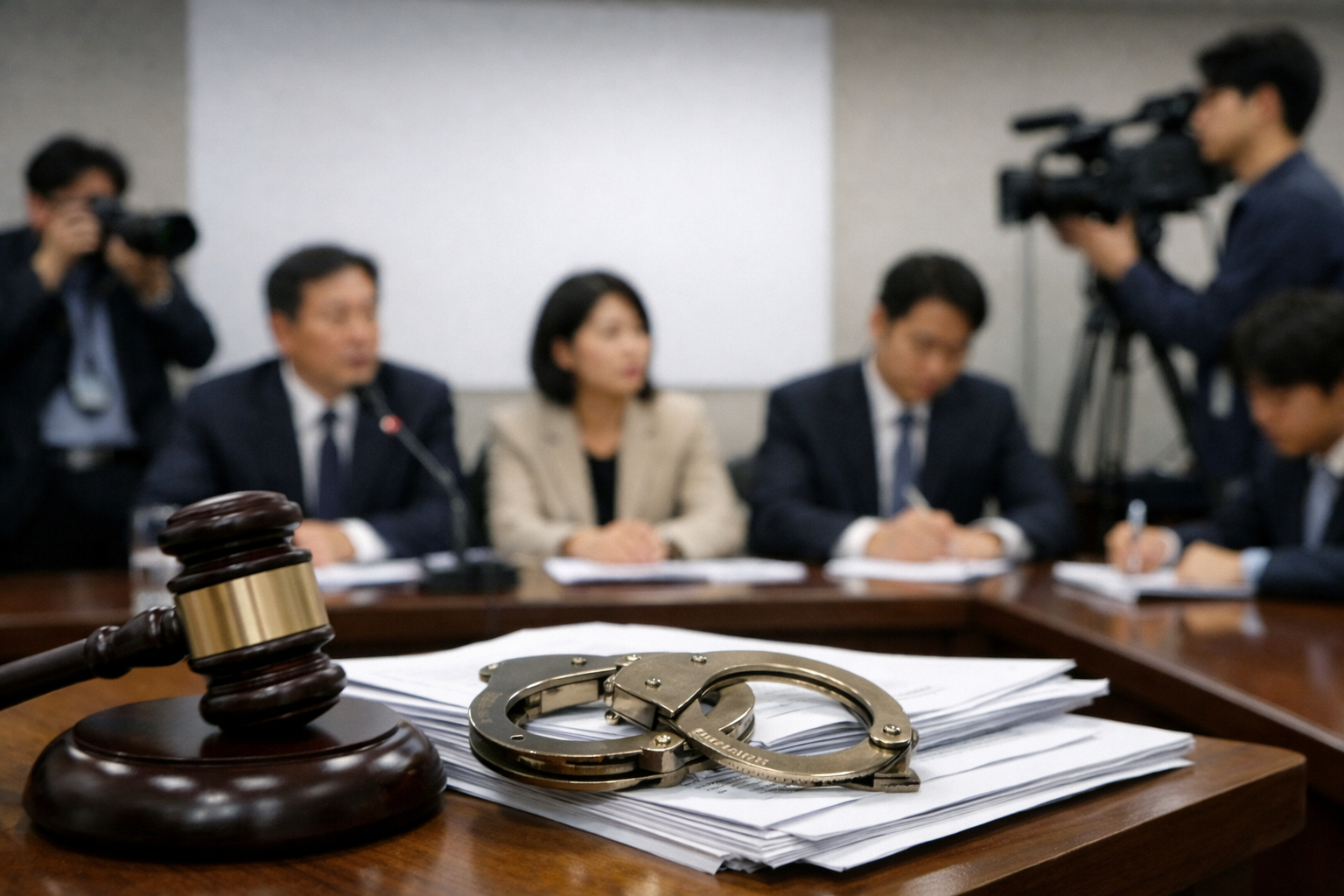
AI-Generated Photorealistic Image — All people, scenes, and details in this image are entirely AI-generated and fictional. Not a real photograph of an actual person or event. 이 이미지는 AI로 생성된 가상 이미지입니다.
Leave a Reply