Table of Contents
What happens when a landmark reform loses momentum right before its big reveal? That’s exactly what’s unfolding with Jachi Gyeongchalje, Korea’s local autonomous police system.
President Lee Jae-myung reportedly agreed that the planned expansion of Jachi Gyeongchalje needs to slow down. This wasn’t a small policy tweak — it was one of his core national agenda items.
So why the sudden change of heart? Let’s dig into what’s really happening behind the scenes.
Understanding Jachi Gyeongchalje: Korea’s Local Police System
Jachi Gyeongchalje translates roughly to “self-governing police system.” Under this model, local governments — not just the central government — hold authority over certain police functions.
Think traffic control, community safety, and local crime prevention. The idea is simple: police who understand your neighborhood should have more say in how it’s protected.
Korea introduced a limited version of Jachi Gyeongchalje back in 2021. But full implementation has always been a work in progress, moving in stages rather than all at once.
President Lee Jae-myung made expanding Jachi Gyeongchalje a signature promise during his campaign. Why does this matter so much? Because centralized policing has long been criticized in Korea for being slow to respond to local needs.
A more decentralized system, supporters argue, could bring faster, more tailored responses to community problems. Critics, however, worry about inconsistent standards and political interference at the local level.
That tension — between local flexibility and national consistency — sits at the heart of this debate. It’s a tension many countries face when reforming their policing structures, and Korea is no exception.
Why the Lee Jae-myung Administration Hit Pause
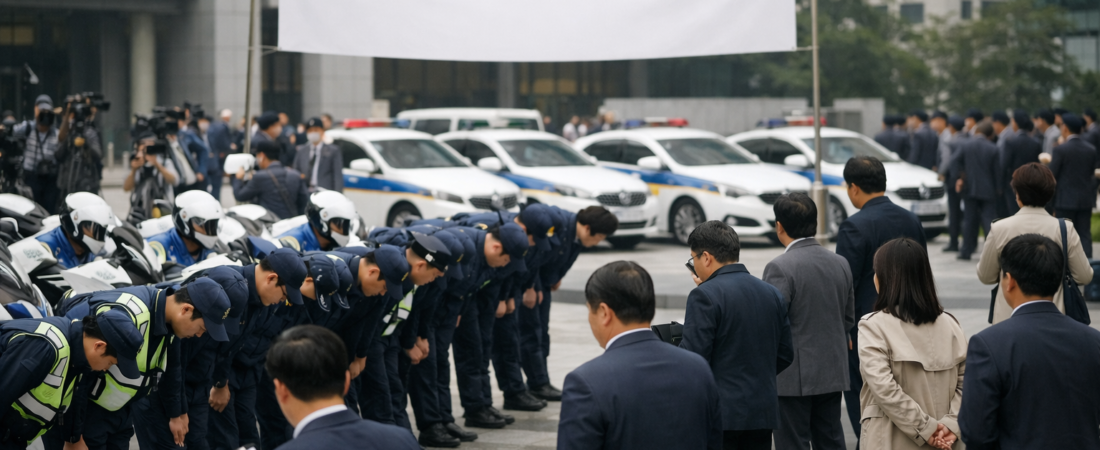
The government originally planned to announce an improved Jachi Gyeongchalje framework by late July or early August. Pilot regions were supposed to be named alongside the announcement.
But that timeline has now shifted. The administration decided to delay the rollout — and President Lee Jae-myung himself reportedly signed off on this decision.
Why would a president slow down his own signature reform? Timing matters enormously in policy rollouts, especially ones touching public safety.
Announcing a major restructuring of police authority while public confidence in law enforcement is shaky could backfire badly. Officials appear to have recognized this risk before it became a crisis.
Sources close to the decision suggest concerns went beyond simple scheduling. There’s real worry about potential side effects of expanding Jachi Gyeongchalje too quickly — inconsistent enforcement, unclear accountability, and gaps in oversight between local and national police bodies.
Rushing a structural change like this without addressing those risks first could create bigger problems down the road. Sometimes slowing down is the more responsible path forward, even when it disappoints supporters eager for change.
For readers interested in the broader policy debate, background reporting from Korea JoongAng Daily offers useful context on how Korean police reform has evolved over recent years.
The Jang Yoon-gi Case and Public Trust in Policing
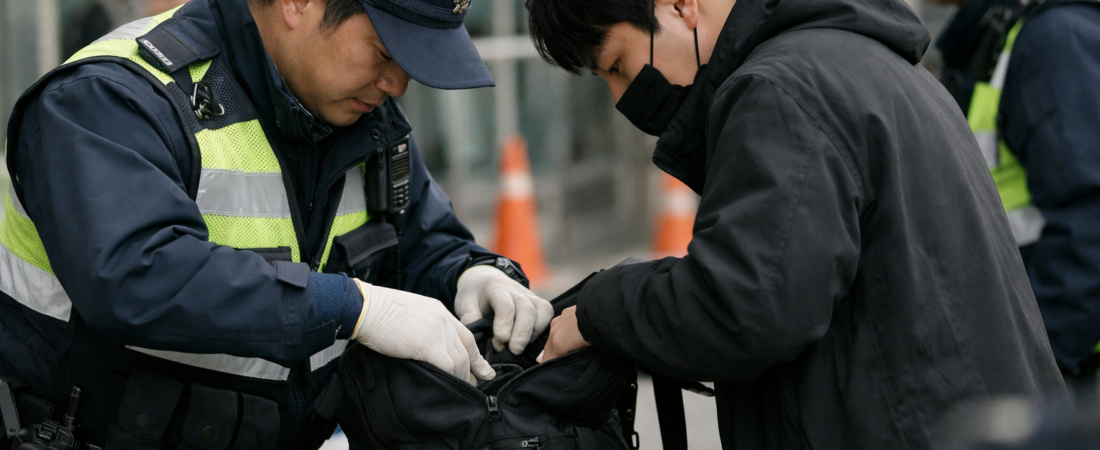
Timing rarely happens in a vacuum. The Jang Yoon-gi case has shaken public confidence in Korean law enforcement recently, and that context matters here.
When incidents involving police conduct make headlines, they don’t just damage one officer’s reputation. They raise bigger questions about accountability across the entire system.
Would expanding local police authority right now make oversight harder, not easier? That’s exactly the question many officials are quietly asking themselves.
Public trust is the foundation any police reform needs to succeed. Without it, even well-designed policies face resistance and skepticism from the very communities they’re meant to serve.
The Jang Yoon-gi case appears to have crystallized existing worries about decentralizing police power too fast. If local police units gain more independence while national oversight mechanisms remain untested, who ensures consistent standards?
This isn’t just a Korean dilemma — it echoes debates in other countries that have decentralized policing. Local control can improve responsiveness, but it can also create accountability gaps if implemented without strong checks.
Korea’s government seems to be learning from these global lessons rather than repeating them. That’s arguably a sign of policy maturity, even if it frustrates those hoping for faster reform.
What the Jachi Gyeongchalje Delay Means for Korea’s Future
So what comes next for Jachi Gyeongchalje? The delay doesn’t mean cancellation — it means recalibration.
Officials are likely using this pause to strengthen oversight frameworks before announcing pilot regions. Expect a revised timeline sometime later this year, though an exact date remains unclear.
Will the final version of Jachi Gyeongchalje look different from what was originally proposed? Almost certainly, given the concerns that triggered this delay in the first place.
This moment also reveals something important about how President Lee Jae-myung governs. He campaigned on bold reform promises, including expanding Jachi Gyeongchalje nationwide.
Yet here, he’s choosing caution over speed when public trust is at stake. That balance — between ambition and prudence — will likely define how his broader policy agenda unfolds.
For everyday Koreans, the practical impact may not be felt immediately. Police services in most regions will continue operating under existing structures for now.
But the conversation around Jachi Gyeongchalje isn’t going away. It touches core questions about how much authority should sit with local communities versus the central government — a debate relevant far beyond Korea’s borders.
Countries around the world continue wrestling with similar questions about policing, decentralization, and public accountability. Korea’s experience with Jachi Gyeongchalje offers a real-time case study in how democracies balance reform ambition against institutional readiness.
Watching how this policy evolves over the coming months could offer valuable lessons — not just for Korea, but for anyone interested in modern police governance.
What do you think about Korea’s cautious approach to expanding Jachi Gyeongchalje? Should public trust concerns delay major reforms, or should governments push forward despite the risks?
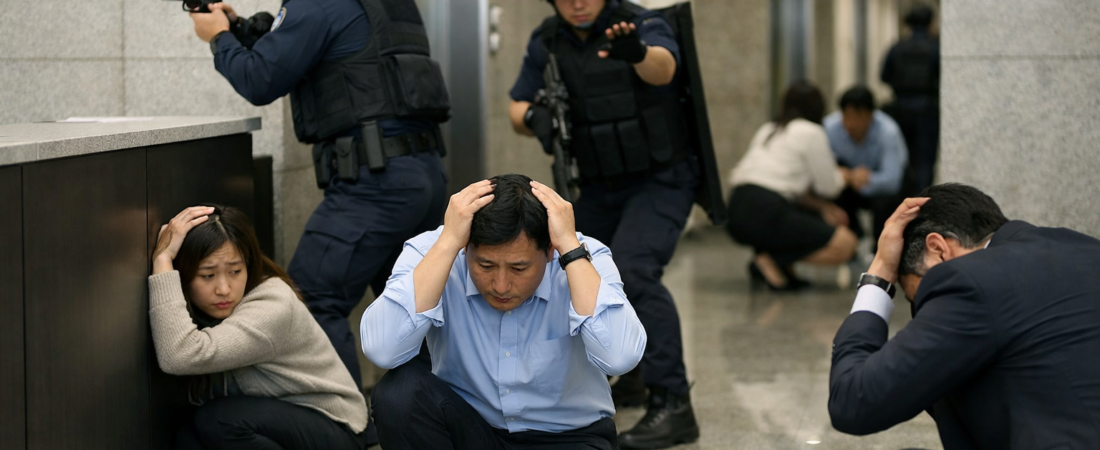
AI-Generated Photorealistic Image — All people, scenes, and details in this image are entirely AI-generated and fictional. Not a real photograph of an actual person or event. 이 이미지는 AI로 생성된 가상 이미지입니다.


Leave a Reply