
Table of Contents
A Mortgage Scandal Shakes Korean Politics
Can a single apartment sale expose the flaws in an entire nation’s housing policy? Jeong Jeom-sik, floor leader of the People Power Party, thinks so. He just accused President Lee Jae-myung of doing exactly that.
The controversy centers on a 1.7 billion won collateral mortgage tied to the sale of the president’s Bundang apartment. That number alone raised eyebrows across Seoul this week. But Jeong Jeom-sik says the real issue runs much deeper than one property transaction.
He argues this deal reveals how ordinary Koreans get squeezed by loan restrictions while others find clever workarounds. Is that a fair criticism, or political theater? Let’s look at what Jeong Jeom-sik actually said, and why it matters.
Who Is Jeong Jeom-sik and Why Does His Voice Matter?

Jeong Jeom-sik leads the floor operations for the People Power Party, Korea’s main conservative opposition. That role gives him real power to set the tone of debate inside the National Assembly. When he speaks, other lawmakers listen, and reporters take notes.
This week, Jeong Jeom-sik didn’t hold back. He called the mortgage arrangement on the Bundang apartment clear evidence of real estate market distortion. In his view, the president personally demonstrated a loophole that everyday citizens are legally blocked from using.
That’s a serious charge. Jeong Jeom-sik went further, coining a biting nickname for the ruling party. He called it “Deobureo-geunjeodang,” a wordplay that fuses the Democratic Party’s Korean name with the term for a collateral mortgage, essentially branding it the “Together Mortgage Party.”
Why choose such sharp wordplay? Because in Korean political culture, a clever pun spreads faster than any policy paper. Jeong Jeom-sik understood that a viral nickname does more damage to a rival party’s image than a dry statistic ever could.
This tactic isn’t new. Korean opposition leaders have long used satirical renaming to mock ruling parties, turning serious policy criticism into something the public can remember and repeat.
The Bundang Apartment Deal Behind Jeong Jeom-sik’s Attack

So what actually happened with this apartment? President Lee Jae-myung sold a property in Bundang, a well-known residential district south of Seoul. During that sale, a collateral mortgage worth roughly 1.7 billion won was set up.
For most Korean readers, that detail might sound routine. But Jeong Jeom-sik insists the structure of this mortgage reveals something troubling about the country’s lending rules. Korea has tightened mortgage regulations sharply in recent years to cool overheated housing prices.
Those rules were designed to stop speculative buying and protect financial stability. Yet according to Jeong Jeom-sik, this transaction shows how someone with the right knowledge can still navigate around those restrictions. If the president’s own deal can bend the rules, he asks, what does that say about the system?
This is where the political stakes rise sharply. Jeong Jeom-sik isn’t just criticizing one apartment sale, he’s questioning whether current loan regulations actually work as intended. Regular Korean families face strict debt-to-income limits when buying homes.
Many young buyers in Seoul and Gyeonggi Province, where Bundang sits, have complained for years about being locked out of the market. When they see a high-profile figure appear to sidestep those same limits, frustration builds quickly. Jeong Jeom-sik is tapping directly into that public frustration.
You can read more background on Korea’s housing loan regulations and recent policy shifts through Korea JoongAng Daily, which has tracked these changes closely. Understanding the regulatory context helps explain why this single mortgage became such a lightning rod. It’s not really about one apartment, it’s about trust in the whole system.
What Jeong Jeom-sik’s Demands Mean for Korea’s Housing Market
Criticism alone rarely satisfies a floor leader. Jeong Jeom-sik paired his attack with concrete policy demands. First, he called for easing what he described as abnormal loan restrictions currently squeezing ordinary buyers.
Second, he urged a shift in housing policy toward expanding private-sector supply. For years, Korea’s approach leaned heavily on public housing projects and strict lending caps. Jeong Jeom-sik argues this strategy hasn’t solved the underlying supply shortage in major cities.
Third, and perhaps most striking, Jeong Jeom-sik demanded the dismissal of policy chief Kim Yong-beom. That’s a direct personnel challenge aimed at the presidential office itself. Calling for an official’s removal signals just how far Jeong Jeom-sik wants to push this confrontation.
Is this purely political maneuvering ahead of future elections? Possibly. Korean politics has a long history of using housing prices as a battleground issue, since real estate touches nearly every voter’s life directly.
Still, the underlying tension Jeong Jeom-sik raises feels genuine to many observers. Housing affordability remains one of the most painful issues for young Koreans trying to build a life in Seoul or its surrounding satellite cities like Bundang. When policy debates connect to a real, verifiable transaction, they carry more weight than abstract arguments.
That’s exactly why Jeong Jeom-sik chose this specific case to make his broader argument. He’s betting that voters will remember a concrete number, 1.7 billion won, more than any policy white paper. Numbers stick in ways slogans sometimes don’t.
Looking ahead, expect this debate to shape upcoming legislative sessions. Jeong Jeom-sik has effectively set an agenda that the ruling party must now address directly. Will the Democratic Party defend its housing policy, or quietly adjust course under pressure?
For readers outside Korea, this story offers a window into how personal financial decisions by public officials can ignite national policy debates. Housing affordability isn’t just a Korean problem, it’s a global challenge from Vancouver to Sydney. Watching how Jeong Jeom-sik and his rivals resolve this fight might offer lessons for other countries wrestling with similar housing pressures.
What do you think about Jeong Jeom-sik’s approach to this controversy? Does turning one apartment sale into a national policy fight feel like accountability, or political opportunism?
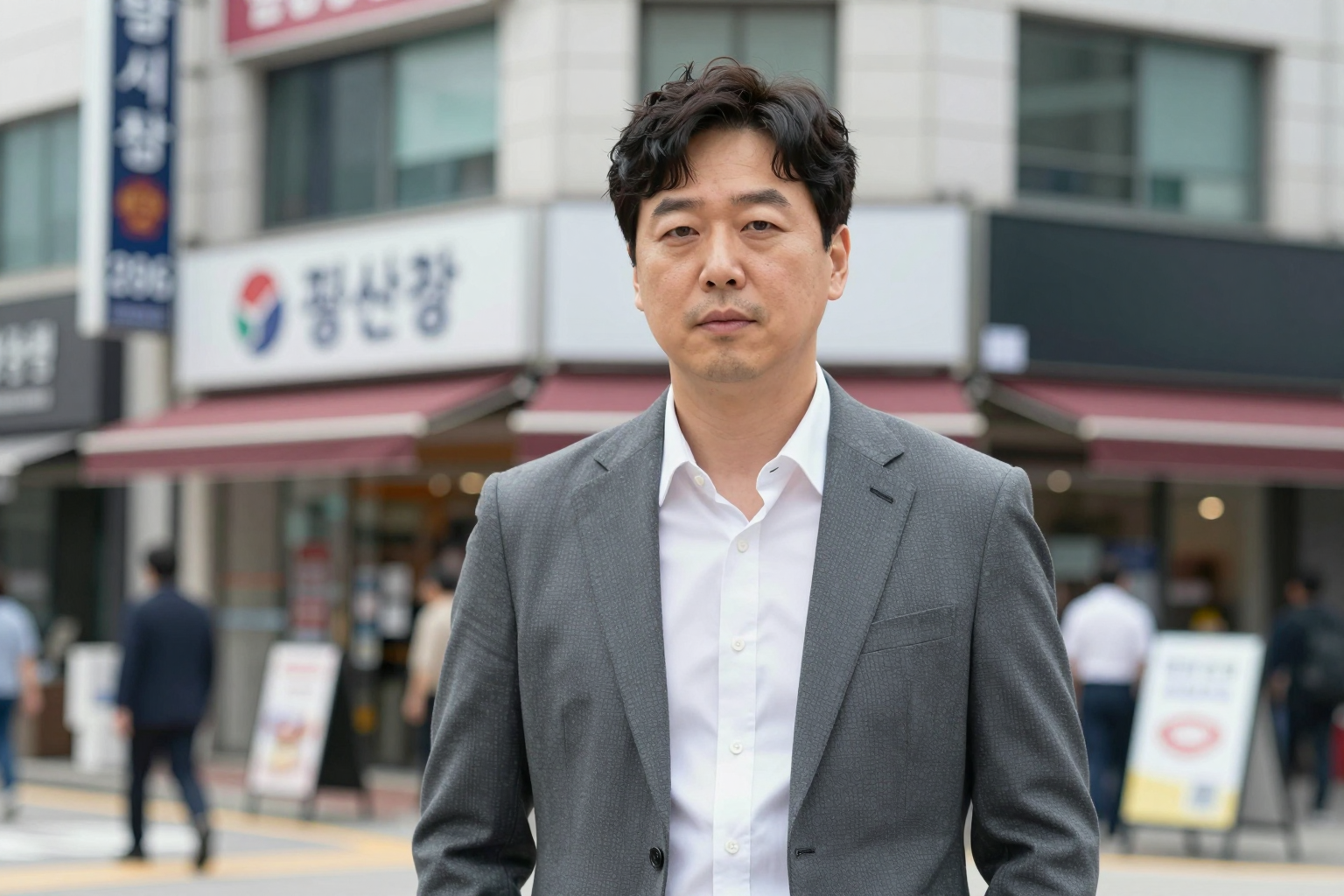
AI-Generated Photorealistic Image — All people, scenes, and details in this image are entirely AI-generated and fictional. Not a real photograph of an actual person or event. 이 이미지는 AI로 생성된 가상 이미지입니다.



Leave a Reply