Table of Contents
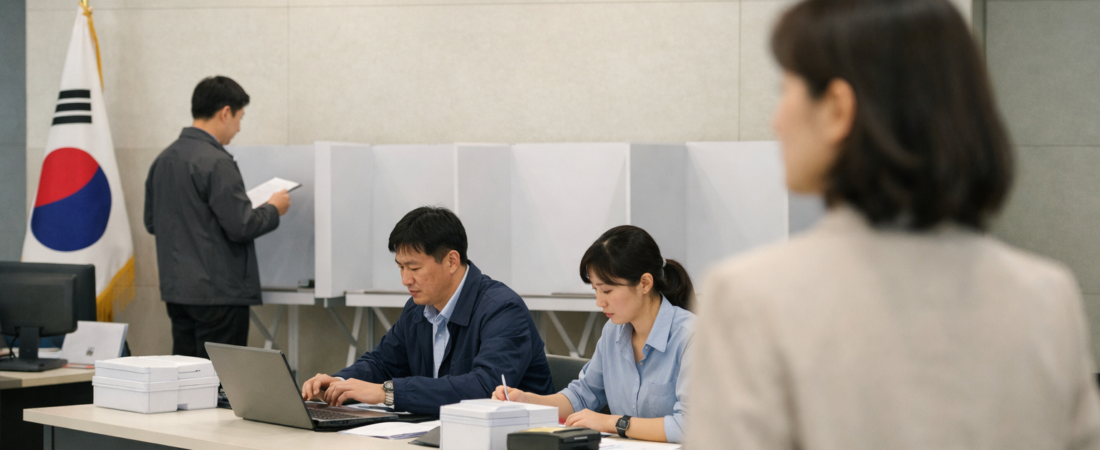
What happens when voters show up to cast their ballot, and there simply aren’t enough ballots to go around? That’s exactly what occurred during Korea’s June 3 local elections and by-elections this year. Now, both major parties want answers, and the National Election Commission sits at the center of this growing controversy.
The Democratic Party of Korea and the People Power Party have reached a tentative agreement. They will jointly push forward a special counsel law to investigate the ballot shortage fiasco. This rare moment of bipartisan cooperation tells you something important: this issue is too serious to ignore.
The Ballot Shortage That Shook Korea’s Elections
Imagine standing in line to vote, only to be told the polling station ran out of ballots. For many Korean voters during the June 3 elections, this wasn’t a hypothetical scenario. It actually happened, and it raised immediate questions about how well the National Election Commission managed the voting process.
Elections depend on trust. When voters can’t cast their ballot because of a supply failure, that trust takes a direct hit. Both ruling and opposition parties recognized this danger, which is why they moved quickly to draft a special counsel bill.
The bill has an official name: the “Special Counsel Appointment Act for Truth Investigation of Election Management Failure.” That’s a mouthful, but the purpose is simple. Lawmakers want an independent investigator to determine exactly what went wrong inside the National Election Commission during this election cycle.
Here’s the real question worth asking: how did a modern democracy with decades of election experience run out of ballots? Korea has held numerous national elections since democratization in 1987, building a reputation for efficient, well-organized voting systems. This shortage broke that pattern, and it demanded a formal explanation.
Both parties agreed to process this bill during the July extraordinary session of the National Assembly. That timeline signals urgency. Lawmakers don’t want this issue lingering into future election cycles without resolution.
How the Special Counsel Will Be Chosen
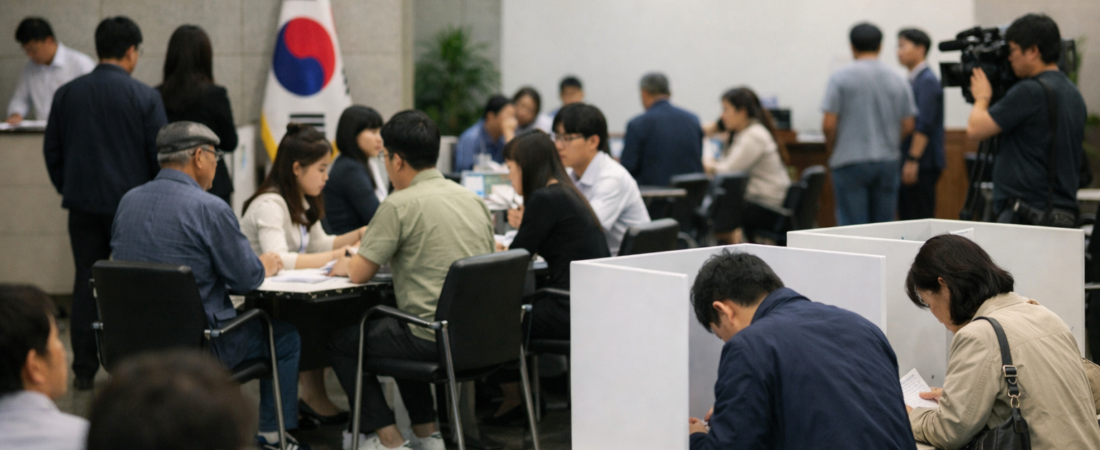
Choosing a special counsel in Korea isn’t a simple appointment. The process involves multiple layers of checks, designed to prevent any single party from controlling the investigation.
First, a National Recommendation Committee will select six candidates. This committee acts as a neutral filter, screening potential investigators before political parties even get involved.
From those six candidates, the Democratic Party and the People Power Party each recommend two names. That narrows the pool to four candidates total, split evenly between the two parties. This structure ensures neither side dominates the selection.
Finally, the President reviews these four names and appoints one as the official special counsel. Why does this multi-step process matter? Because it builds legitimacy into an investigation that specifically examines a government institution’s failure.
If the special counsel is appointed carelessly, the entire investigation loses credibility. Korean lawmakers understand this well, especially given how sensitive election matters can become. You can see this pattern in previous Korean special counsel investigations too, where balanced selection processes helped maintain public confidence even during politically charged inquiries.
This appointment method mirrors similar special counsel laws used in past Korean political scandals. It reflects lessons learned: transparency in selection process protects the investigation’s outcome. Without that balance, any findings about the National Election Commission could face accusations of political bias from one side or the other.
Why the National Election Commission Is Under Fire
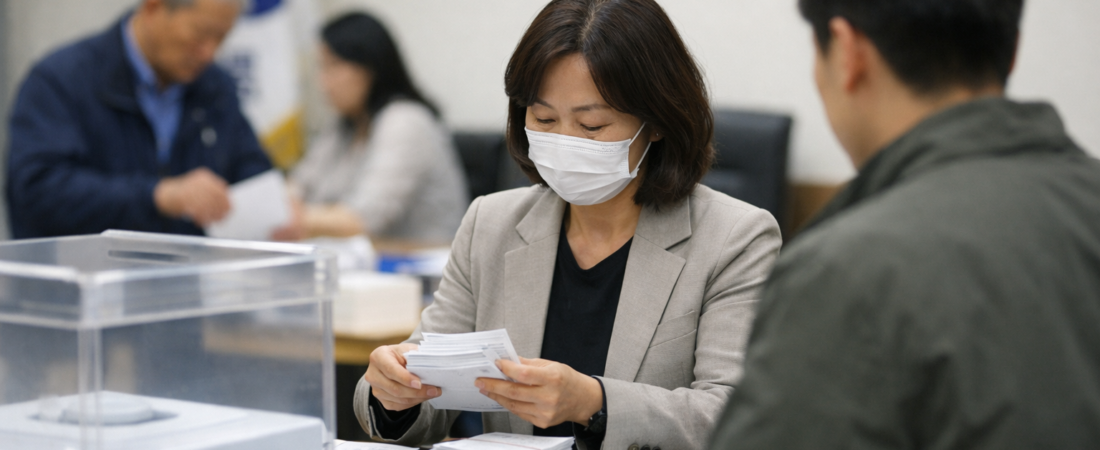
The National Election Commission holds a unique position in Korean government. It’s constitutionally independent, meaning it operates separately from the executive and legislative branches. This independence exists specifically to protect elections from political interference.
But independence comes with responsibility. When the National Election Commission fails at something as basic as printing enough ballots, that failure becomes a serious institutional problem, not just a logistical hiccup.
Think about it this way: if an independent body can’t manage basic election logistics, what does that say about oversight within the organization? This is exactly the question the special counsel investigation aims to answer. Was this shortage a simple miscalculation, or does it reveal deeper systemic issues inside the National Election Commission?
Korean citizens have historically placed high trust in their election system. Voter turnout rates remain strong compared to many democracies worldwide, partly because people believe their vote counts and gets properly processed. A ballot shortage scandal threatens that foundation of trust.
You might wonder why both parties, despite their usual disagreements, found common ground here so quickly. The answer is straightforward: election integrity affects everyone, regardless of political affiliation. Neither party benefits from a National Election Commission that voters no longer trust.
For readers unfamiliar with Korean politics, this bipartisan urgency might seem surprising. Korean National Assembly sessions often involve heated partisan battles over budget bills, labor laws, or foreign policy. Yet on this particular issue, both sides recognized a shared stake in resolving it fast. For more background on how Korea’s electoral oversight system typically operates, you can check coverage from Yonhap News Agency.
What This Means for Korea’s Democracy Going Forward
So, what happens next? The special counsel bill needs to pass during the July extraordinary National Assembly session. Given the tentative bipartisan agreement, passage looks likely, but details could still shift during formal debate.
Once passed, the investigation timeline typically follows a structured format under Korean special counsel law. Investigators usually receive a set period, often around 60 to 90 days, with possible extensions. During this time, they’ll examine internal National Election Commission procedures, communication records, and decision-making processes that led to the ballot shortage.
Will this investigation restore full public trust in the National Election Commission? That depends heavily on transparency throughout the process. If findings get published openly and accountability measures follow, confidence could recover relatively quickly.
This situation also offers a broader lesson about institutional accountability in democracies. Independent bodies need oversight mechanisms too, even when their independence is constitutionally protected. Korea’s response here, moving swiftly toward bipartisan investigation, sets a precedent for handling similar failures in the future.
For global readers watching Korean politics, this case demonstrates something valuable. Democratic institutions require constant maintenance, not just initial design. Even well-established systems, like Korea’s decades-old election infrastructure, can fail without warning, and the response to that failure matters as much as the failure itself.
Looking ahead, expect increased scrutiny on how the National Election Commission handles logistics before Korea’s next major election cycle. Lawmakers will likely push for reforms preventing similar ballot shortages, regardless of what the special counsel ultimately finds. This moment could become a turning point for how Korea manages election administration nationwide.
What do you think about Korea’s approach to investigating its own election oversight body? Does this bipartisan special counsel model offer lessons for other democracies facing similar institutional failures?
AI-Generated Photorealistic Image — All people, scenes, and details in this image are entirely AI-generated and fictional. Not a real photograph of an actual person or event. 이 이미지는 AI로 생성된 가상 이미지입니다.


Leave a Reply