Table of Contents
Yoo Si-min’s Blunt Warning to President Lee Jae-myung
What happens when your loudest supporter becomes your sharpest critic? That’s exactly what’s playing out in Korean politics today. Yoo Si-min, one of Korea’s most influential progressive commentators, just delivered a pointed critique of President Lee Jae-myung’s first year in office.
Yoo Si-min didn’t hold back. He argued that Lee’s governing style over the past year risks confusing his own political camp, and worse, might prevent him from succeeding at all.
This isn’t a fringe opinion. Yoo Si-min has spent decades shaping progressive political discourse in Korea, so when he speaks, both allies and rivals listen closely.
His critique centers on a simple but powerful idea: trying to please everyone can end up pleasing no one. And that tension sits at the heart of this story.
Why Yoo Si-min Thinks the “President for Everyone” Strategy Could Backfire
President Lee Jae-myung has framed himself as a president for all Koreans, not just his base. Sounds admirable, right? Yoo Si-min agrees with the intention but questions the execution.
According to Yoo Si-min, understanding the goal is one thing. Actually achieving it through the current approach is another matter entirely.
He points out that Lee’s method creates distance from his core supporters. If that gap widens too much, the president’s political foundation could start to shake.
Think about it this way. A house needs a solid foundation before you add extra rooms.
Yoo Si-min’s argument follows the same logic. You secure your base first, then you expand outward toward the center and beyond.
Trying to build the whole structure at once, he suggests, is far riskier. This is the core of Yoo Si-min’s public warning, and it’s generating real debate inside Korea’s progressive circles.
The Risk of Losing Your Base: A Political Science Lesson
Why does this matter beyond one president’s approval ratings? Because it touches a classic dilemma in democratic politics everywhere. Do you govern from the center, or do you govern from your coalition?
Yoo Si-min’s proposed solution is straightforward. First, consolidate the democratic and progressive camp into a unified, confident bloc.
Only after that foundation is secure should a leader reach toward moderates and conservatives. This sequencing, he argues, is the safer path forward.
Skip that first step, and you risk alienating the very people who got you elected. This pattern isn’t unique to Korea.
Leaders around the world have faced similar traps when reaching too far, too fast, without first shoring up their core support. Readers interested in comparative political strategy can explore more analysis through Korea Herald, which covers similar governing dilemmas across democracies.
Yoo Si-min also raised a second, sharper point. He stated clearly that a party leader should never act like the president’s subordinate.
Why does this matter? Because in a healthy democracy, party leadership and the presidency need some degree of independence.
If the party simply follows presidential orders without pushback, Yoo Si-min warns, internal debate disappears. And without internal debate, a political camp loses its ability to self-correct.
This is a subtle but crucial point for anyone studying Korean politics. Yoo Si-min isn’t just critiquing one man’s leadership style.
He’s raising a structural question about how power should flow between a president and his own party. That question outlasts any single administration.
What Comes Next for Korea’s Progressive Camp
So where does this leave President Lee Jae-myung and his supporters? Yoo Si-min’s critique lands at a sensitive moment, just one year into the presidency.
Early missteps can be corrected. Patterns that harden over time become much harder to reverse.
Will Lee Jae-myung adjust his approach based on voices like Yoo Si-min’s? That remains uncertain, but the pressure is now public and well-documented.
For global readers, this story offers a window into a universal political challenge. Every democratically elected leader eventually asks: do I serve my base, or do I serve the whole nation?
Yoo Si-min’s answer is nuanced. He isn’t saying ignore moderates and conservatives forever.
He’s saying sequence matters, and abandoning your foundation too early carries real political risk. Korean politics often gets framed abroad as simply “progressive versus conservative.”
But debates like this one show something more interesting. Even within the progressive camp, there’s real disagreement about strategy, pacing, and party independence.
That internal diversity is a sign of a maturing democracy, not weakness. Yoo Si-min’s willingness to publicly challenge a president from his own political side reflects a level of political openness worth noting.
In many political systems, such direct criticism from a prominent ally would be rare. In Korea, it’s becoming a normal part of democratic accountability.
Looking ahead, keep an eye on how President Lee Jae-myung responds to this kind of pressure. Does he double down on his “president for everyone” framing, or does he pivot toward Yoo Si-min’s base-first strategy?
Either choice will shape Korean politics well beyond this single term. What do you think about Yoo Si-min’s warning — is uniting your base first the safer path to lasting political success?
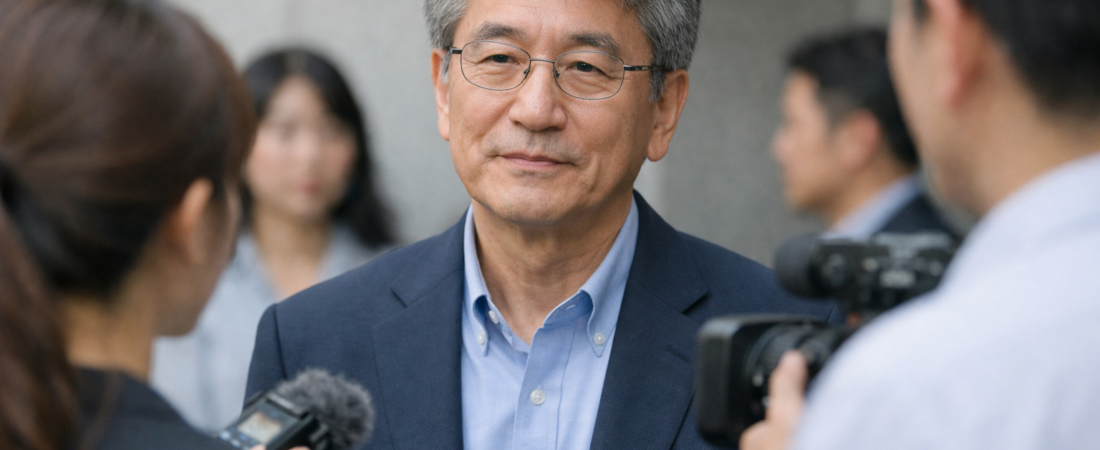
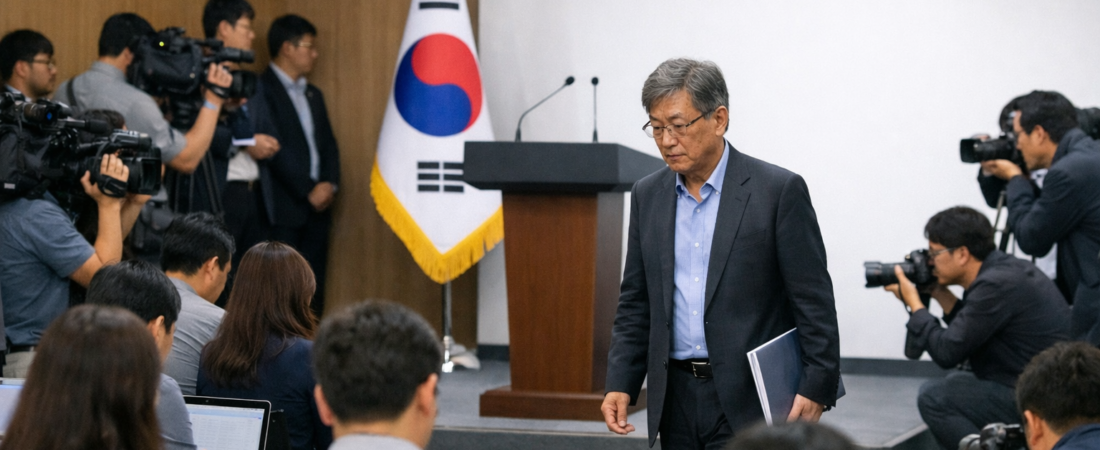
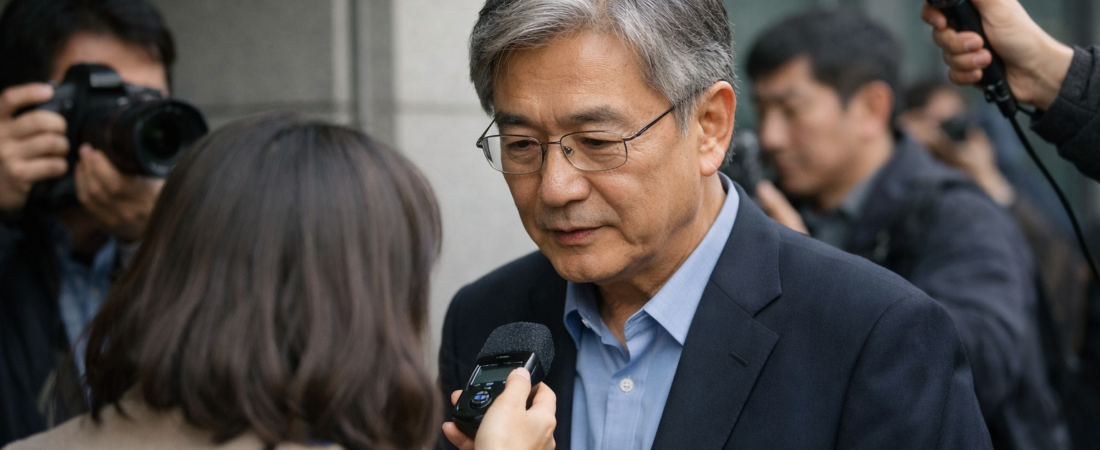
AI-Generated Photorealistic Image — All people, scenes, and details in this image are entirely AI-generated and fictional. Not a real photograph of an actual person or event. 이 이미지는 AI로 생성된 가상 이미지입니다.



Leave a Reply