Table of Contents
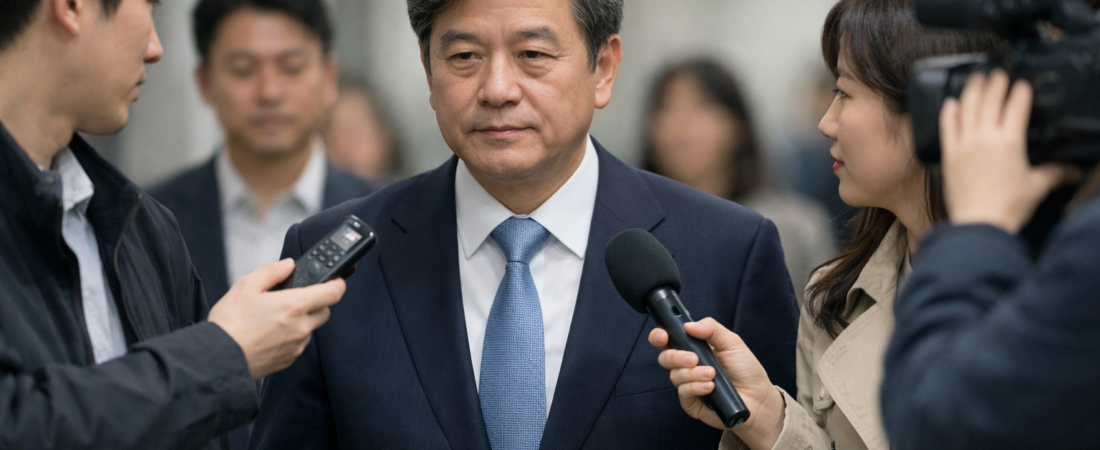
Can a Cabinet minister openly disagree with his own political party and still keep his job? That question sits at the heart of a quiet but telling drama unfolding in Seoul. Justice Minister Jung Sung-ho reportedly offered his resignation to President Lee Jae-myung, only to be talked out of it.
Why would a sitting minister want to quit over a legal reform his own party supports? The answer says a lot about the tension between loyalty and principle in Korean politics today. Let’s unpack what happened, and why it matters.
Who Is Jung Sung-ho?
Jung Sung-ho serves as South Korea’s Minister of Justice, a role that puts him at the center of the country’s legal system. He oversees prosecutors, manages criminal justice policy, and advises the president on legal matters. It’s a job that demands both political trust and professional independence.
Before joining the Cabinet, Jung Sung-ho built a long career in law and politics. He earned a reputation as someone willing to speak plainly, even when his views clash with party leadership. That reputation is exactly what’s driving the current tension.
President Lee Jae-myung appointed Jung Sung-ho with the expectation of steady leadership at the Ministry of Justice. Now, that relationship faces its first real test. Jung Sung-ho’s willingness to challenge his own party’s legislative agenda shows a minister who values policy substance over political convenience.
Is that rare in Korean politics? Honestly, yes. Most Cabinet members fall in line with party decisions, especially under a single-party majority. Jung Sung-ho’s public hesitation stands out precisely because it breaks that pattern.
Why Jung Sung-ho Wanted to Resign
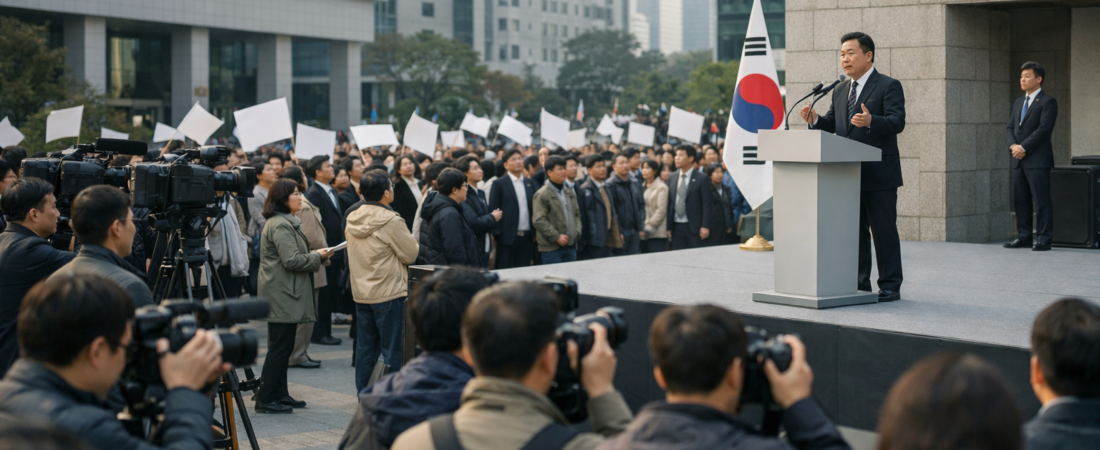
According to reports, Jung Sung-ho has repeatedly signaled his intent to step down. His concern centers on the ruling party’s push to completely abolish supplementary investigation powers held by police. This isn’t a new complaint from him either.
Jung Sung-ho has voiced worries about potential side effects for months. Supplementary investigation powers allow prosecutors to request additional police investigation after an initial probe. Removing them entirely changes how criminal cases move through the system.
Think about it this way: if a case needs more digging after the first investigation, who fills that gap? Jung Sung-ho worries the answer might be “no one,” at least not efficiently. That gap could weaken case quality and slow justice for victims.
President Lee Jae-myung, however, reportedly asked Jung Sung-ho to stay. This suggests the president values Jung Sung-ho’s expertise, even while pushing forward with the party’s reform agenda. It’s a delicate balancing act for both men.
Why didn’t President Lee simply accept the resignation? Public resignations from a Justice Minister rarely happen quietly. Losing Jung Sung-ho now, right as major legal reform moves through the National Assembly, could look like the administration losing control of its own message.
The Fight Over Supplementary Investigation Powers
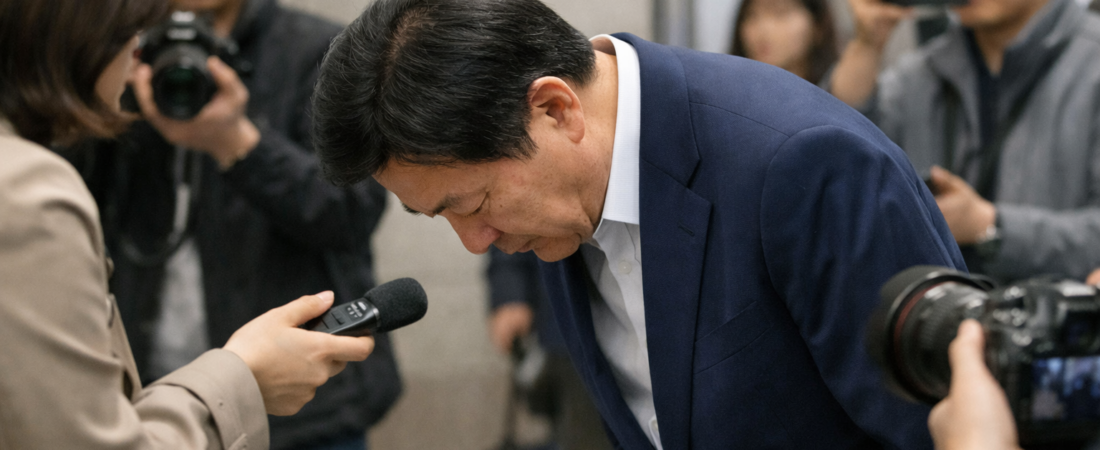
The Democratic Party of Korea has formally adopted the plan to abolish supplementary investigation powers as official party policy. This means the bill isn’t just a proposal anymore. It carries the full weight of party discipline behind it.
The relevant legislation falls under the Criminal Procedure Act, which governs how criminal cases are investigated and prosecuted in Korea. Changing this law reshapes the balance of power between police and prosecutors. That balance has been a political battleground in Korea for years.
Remember 2020 and 2021? Korea already went through a major overhaul of prosecutorial authority back then, stripping prosecutors of many direct investigation powers. This new push goes even further, removing what remained of the supplementary investigation function entirely.
Jung Sung-ho isn’t against reform itself. His concern is about execution, not ideology. Rushing a full repeal without safeguards, he fears, could create gaps where cases fall through the cracks.
The Democratic Party plans to bring the bill to a National Assembly plenary session as early as next week. Given the party’s majority, passage looks highly likely. That timeline leaves little room for Jung Sung-ho’s concerns to shape the final text.
For readers unfamiliar with Korean legislative process, plenary passage is often the final step before a bill becomes law. Once it clears the plenary floor, only presidential veto or constitutional challenge can stop it. Neither option seems likely here, given Lee Jae-myung’s own party controls the legislation.
This is where Jung Sung-ho’s position becomes so interesting. He sits inside the administration pushing this bill forward, yet he’s also the official most likely to see its practical flaws firsthand. For readers following Korean legal reform closely, outlets like Yonhap News Agency have tracked this prosecutorial power debate since it first began years ago.
What This Means for Korea’s Justice System
So what happens next for Jung Sung-ho, and for Korea’s justice system? For now, Jung Sung-ho stays in his post, at least officially. But his repeated resignation attempts signal deeper friction inside the ruling coalition.
This moment raises a bigger question worth sitting with. Can a minister genuinely represent the public interest while also serving as a loyal party figure? Jung Sung-ho’s situation puts that tension on full display.
Korea’s justice system has swung between prosecutorial power and police authority for decades. Each swing brings new winners and new problems. This latest change, removing supplementary investigation powers, marks another major shift in that long history.
For everyday Koreans, the practical impact may not show up immediately. But over time, how cases get investigated, and how thoroughly, could shift noticeably. Victims and defendants alike depend on a system that catches errors before trial, not after.
Jung Sung-ho’s public hesitation matters because it comes from inside the system, not from outside critics. When a sitting Justice Minister raises red flags about his own party’s flagship bill, that’s worth paying attention to. It suggests the debate isn’t simply “reform versus no reform” — it’s about how reform gets done responsibly.
Looking ahead, expect this story to develop quickly. With plenary passage expected next week, Jung Sung-ho may face a choice sooner rather than later: implement a law he has doubts about, or step aside for good. Either way, his handling of this moment will shape how Korea talks about ministerial independence for years to come.
What do you think? Should a Cabinet minister be allowed to publicly resist his own party’s legislation, even after being asked to stay? Let us know your thoughts as this story continues to unfold in Seoul.
AI-Generated Photorealistic Image — All people, scenes, and details in this image are entirely AI-generated and fictional. Not a real photograph of an actual person or event. 이 이미지는 AI로 생성된 가상 이미지입니다.


Leave a Reply