Table of Contents
Does Korea have enough money for an AI revolution? According to Kim Yong-beom, the answer is yes. But he says something else is missing — and it’s not cash.
Kim Yong-beom, the presidential office’s Chief Policy Officer, made a striking claim this week. Korea’s budget for AI infrastructure is not the problem, he said. The real gap is imagination — knowing where and how to spend it.
That’s a bold statement for a top policymaker to make in public. Most officials complain about tight budgets, not too much money with too little vision. Kim Yong-beom’s comment flips the usual conversation about AI investment on its head.
Kim Yong-beom’s Bold Claim About Korea’s AI Budget
Let’s slow down and unpack what Kim Yong-beom actually said. He argued that Korea has already set aside serious money for AI infrastructure. Data centers, chips, national AI strategy funds — the resources exist.
So why isn’t Korea further ahead in the global AI race? Kim Yong-beom’s answer is simple: a lack of imagination about where to direct that spending. Money without a clear plan is just money sitting in an account.
Think about it this way. Building a data center is easy if you have funding. Deciding which industries, which cities, and which technologies deserve that data center first — that’s the hard part.
Kim Yong-beom seems to be pointing at exactly this gap. Korea can write checks. Can Korea write a vision?
This distinction matters more than it might first appear. Many countries have poured billions into AI without a coherent strategy, only to see returns fall short of expectations. Kim Yong-beom’s warning suggests he wants Korea to avoid that trap before it happens, not after.
Why Kim Yong-beom Says Korea Has the Right Ingredients

Here’s where Kim Yong-beom gets specific. He pointed to three things Korea already has: memory chips, electric power capacity, and manufacturing infrastructure. These are not small advantages.
Korea produces some of the world’s most advanced memory semiconductors. Every AI system, from chatbots to self-driving cars, needs massive memory capacity to function. Korea already sits at the center of that supply chain.
Power is the next piece of the puzzle. AI data centers consume enormous amounts of electricity — far more than traditional data centers. Kim Yong-beom’s point about power infrastructure suggests Korea has capacity that many rivals lack.
Then there’s manufacturing. Korea’s industrial base can build the physical infrastructure AI needs, from server racks to cooling systems. Few countries combine all three: chips, power, and manufacturing, under one national roof.
That combination is rare globally. The United States has power and some manufacturing but depends on Asia for chips. Taiwan dominates logic chips but lacks Korea’s memory strength.
Kim Yong-beom’s argument is essentially this: Korea holds puzzle pieces that other nations are still searching for. Doesn’t that make active investment almost an obligation?
If Kim Yong-beom is right, hesitation could cost Korea its natural advantage. Waiting too long risks watching competitors catch up in memory production or power infrastructure. That’s a risk few in Seoul’s policy circles want to take.
Lee Jae-myung’s US Trip: What Kim Yong-beom Expects
Kim Yong-beom didn’t stop at domestic policy. He also looked ahead to President Lee Jae-myung’s upcoming trip to the United States. This trip, he suggested, could produce real results — not just photo opportunities.
President Lee Jae-myung is expected to meet with major American tech CEOs during his visit. These are the executives who run the companies building the world’s largest AI models and infrastructure. A meeting like this rarely happens without preparation behind the scenes.
Kim Yong-beom also pointed to an AI summit planned during the trip. Summits like this often produce joint statements, partnership frameworks, or early-stage agreements. But Kim Yong-beom went further, predicting something more concrete.
He forecast meaningful agreements and large-scale investment announcements coming out of these meetings. That’s a specific and confident prediction from someone inside the policy process. It suggests groundwork has already been laid before the trip even begins.
Why does this matter for ordinary readers, not just policy wonks? Because investment announcements from big tech companies often translate into real jobs, new facilities, and technology transfer. If Kim Yong-beom’s prediction holds true, Korea could see tangible economic effects within the next year or two.
Historically, presidential trips to the US have produced mixed results for Korea. Some visits generated strong economic deals; others produced mostly symbolic statements. Kim Yong-beom’s confidence suggests this trip may lean toward the former.
For readers who want to track how these diplomatic and economic talks develop, outlets like Korea Policy Briefing continue to follow the story closely as it unfolds.
What This Means for Korea’s AI Future
So where does this leave Korea’s AI ambitions? Kim Yong-beom has laid out a clear framework: adequate funding, strong structural advantages, and upcoming diplomatic momentum. The missing piece, in his view, is strategic imagination.
This is worth remembering as a broader lesson too. Money alone doesn’t win an AI race. Countries need a clear plan for how that money creates real value — in industries, in jobs, in daily life.
Kim Yong-beom’s framing puts pressure on Korean policymakers to think bigger, not just spend more. That’s a subtle but important shift in tone. It moves the conversation from “how much do we have” to “what are we actually building.”
Consider how this compares to South Korea’s past technology leaps. The country’s rise in shipbuilding, semiconductors, and mobile phones followed a similar pattern. Government funding met private-sector execution, and clear national goals guided both.
Could AI follow that same successful playbook? Kim Yong-beom clearly believes it can, given the right vision. But history also shows these transitions take coordinated effort across government, industry, and academia — not budget allocation alone.
For global readers watching from outside Korea, this story carries a wider signal. Korea is positioning itself as a serious AI infrastructure player, not just a chip supplier. Kim Yong-beom’s comments, along with Lee Jae-myung’s US trip, suggest Korea wants a bigger seat at the AI table.
Whether that ambition turns into reality depends on execution over the coming months. Watch for announcements coming out of the AI summit and the big tech CEO meetings. Kim Yong-beom’s prediction of “meaningful agreements” will be tested soon enough.
Korea’s AI story is still being written, and Kim Yong-beom just gave us a preview of the next chapter. Budget, resources, and diplomatic timing all seem aligned right now. The question is whether imagination can catch up with opportunity.
What do you think — can Korea turn its memory, power, and manufacturing strengths into true AI leadership?
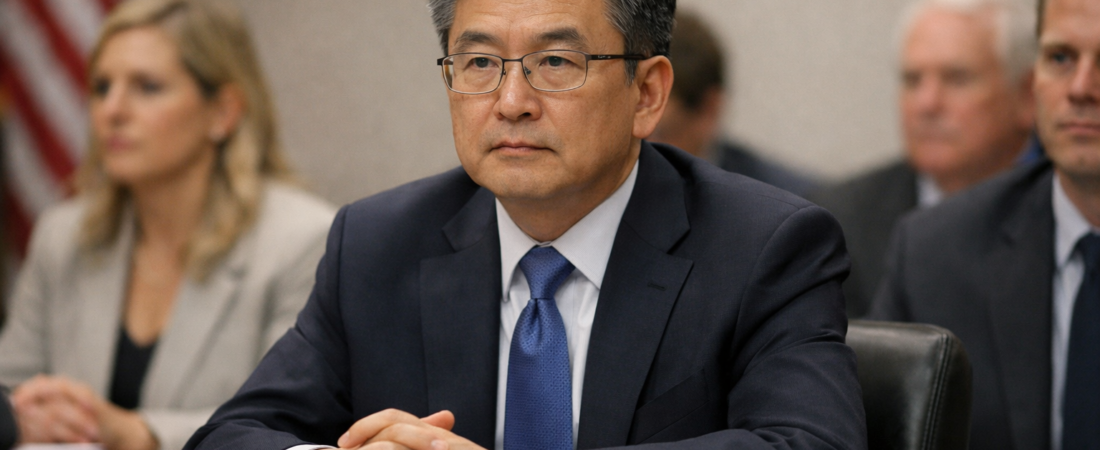
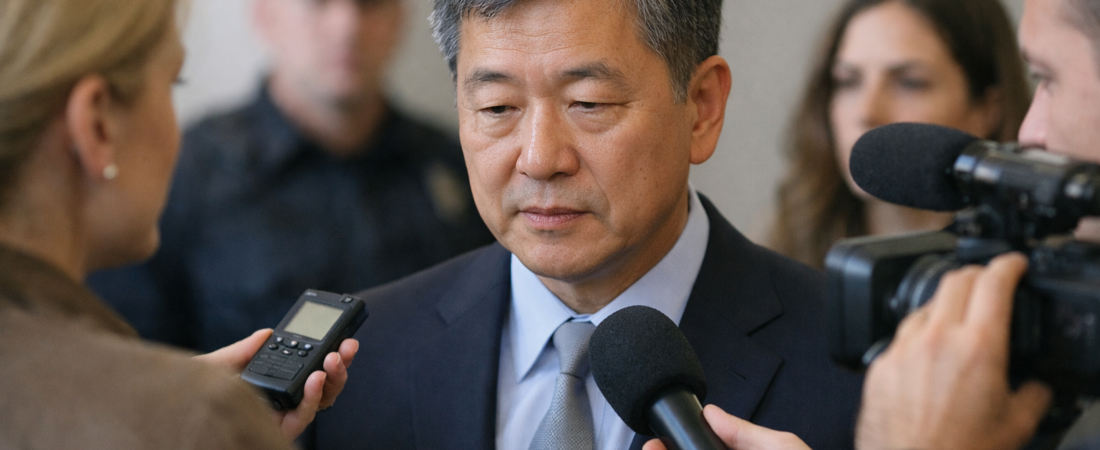
AI-Generated Photorealistic Image — All people, scenes, and details in this image are entirely AI-generated and fictional. Not a real photograph of an actual person or event. 이 이미지는 AI로 생성된 가상 이미지입니다.



Leave a Reply