Table of Contents
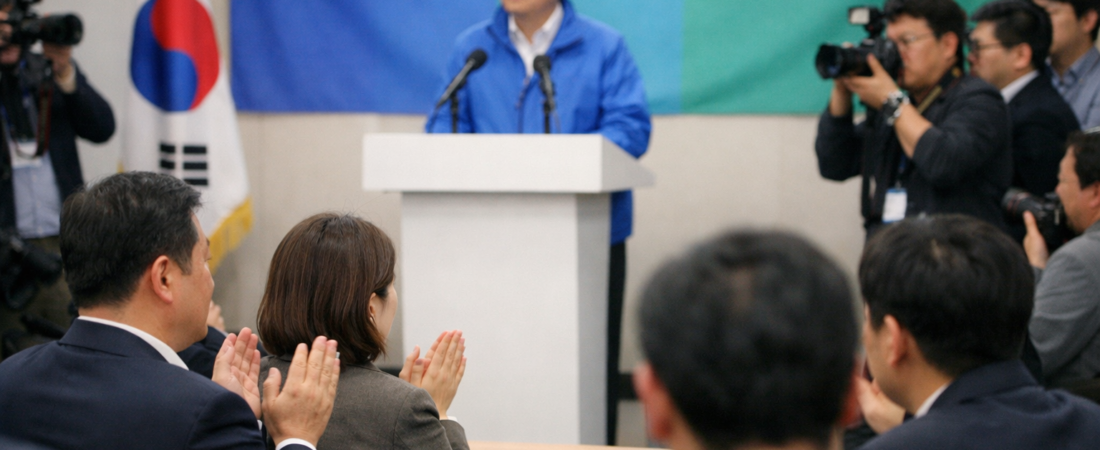
What happens when a ruling party’s internal race turns into a full-blown war? Ask anyone watching the Democratic Party of Korea this week. Its leadership convention has exploded into open conflict, and the battle lines run straight through the party’s core.
The main race is now confirmed, and two rival camps are locked in a fight for control. Insiders call it the “Myung-Chung War,” a nickname combining leader Lee Jae-myung’s name with his challengers’ faction. It captures exactly how personal and how fierce this contest has become.
The Convention Battle Reshaping the Democratic Party
Every major Korean political party holds a national convention to elect its leadership. This year, the Democratic Party’s convention has become something bigger than routine internal politics. The field has narrowed, and the real competition has begun.
On one side stands the pro-Lee Jae-myung faction, the dominant bloc that has shaped party direction for years. On the other stands what insiders call the pro-Chung faction, a rival camp pushing back against Lee’s continued grip on power. Why does this rivalry matter so much right now?
Because the outcome will decide who controls the Democratic Party heading into future elections. Leadership conventions rarely stay quiet in Korean politics. But this one has turned unusually public, unusually personal, and unusually hostile.
Both camps have taken their fight beyond closed-door negotiations. They have clashed directly in front of cameras during official leadership meetings. That kind of open confrontation signals just how high the stakes have become for the Democratic Party’s future direction.
The Shincheonji Controversy That Sparked Open Conflict
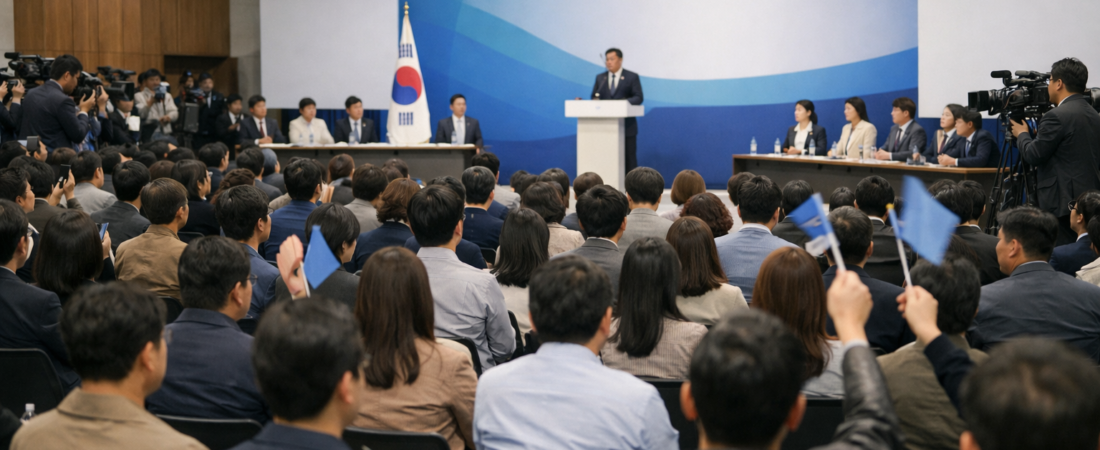
Here’s where things get more complicated. Allegations have surfaced that Shincheonji, a controversial religious group, tried to influence the Democratic Party’s convention process. That single claim has ignited fierce debate inside party leadership.
Shincheonji has long drawn scrutiny in Korea, especially after its role in early COVID-19 outbreak clusters back in 2020. The group’s public image remains deeply mixed among ordinary citizens. So when reports linked Shincheonji members to internal party activity, reaction was immediate and sharp.
Party leaders clashed openly during a leadership meeting over how to handle these allegations. One faction pushed for immediate investigation and transparency. The other pushed back, calling the accusations exaggerated or politically motivated.
Meanwhile, investigators are not standing still. A joint investigation unit combining prosecutors and police is now examining whether some Shincheonji members joined the Democratic Party under questionable circumstances. Could organized religious membership actually shift internal convention votes?
That question alone explains why both factions are treating this so seriously. If proven true, the implications go far beyond a single religious group. They touch the core integrity of how the Democratic Party selects its own leaders.
For readers unfamiliar with Korean party structure, convention votes often come down to thousands of registered party members. A concentrated bloc of new members joining just before a vote can meaningfully swing outcomes. That’s exactly the scenario investigators are now examining.
Why the “Myung-Chung War” Matters for Korean Politics
Let’s step back and ask the bigger question. Why should anyone outside party headquarters care about this internal Democratic Party fight?
Because the Democratic Party currently holds significant power in the National Assembly. Whoever wins this leadership battle will shape legislative priorities for months, possibly years, to come. Internal party conflict rarely stays internal for long in Korean politics.
The pro-Lee Jae-myung faction represents continuity, a bet that current leadership direction should continue unchanged. The pro-Chung faction represents challenge, an argument that the party needs new voices and fresh accountability. Both visions carry real consequences for how the Democratic Party governs going forward.
Korean politics has a long history of factional struggle within single parties, not just between rival parties. Naming conventions like “Myung-Chung War” reflect a broader cultural habit of shorthand political nicknames. They stick in public memory and shape how citizens perceive entire movements.
Readers following Korean governance can find deeper background through outlets like Yonhap News Agency, which has tracked this story closely. Understanding these internal dynamics helps explain broader shifts in Korean legislative behavior. It also reveals how deeply personal rivalries can shape national policy outcomes.
Is this just noise, or does it signal something deeper about Korean democracy? I’d argue it’s the latter. Open factional conflict, however messy, actually shows a party wrestling honestly with accountability questions rather than hiding them.
Prosecution Reform: The Democratic Party’s Bigger Play
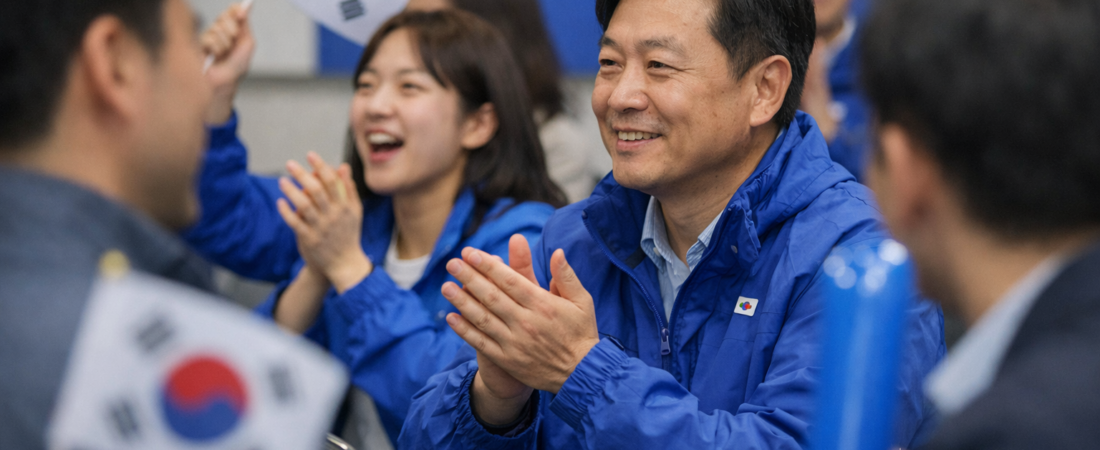
While convention drama dominates headlines, the Democratic Party quietly finalized something with much wider impact. It confirmed as official party policy the abolition of the prosecution’s supplementary investigation authority. That’s a significant structural change to Korea’s justice system.
This supplementary investigation power lets prosecutors continue investigating cases even after police complete their own work. Critics have long argued this authority gives prosecutors too much unchecked power. Supporters counter that removing it weakens the ability to catch complex crimes that require deeper follow-up.
The Democratic Party has pushed prosecution reform for years, often clashing directly with prosecutorial institutions. This latest move continues that pattern, cementing it as official party doctrine rather than just campaign rhetoric. What does this mean for ordinary citizens?
It means the balance of power between police and prosecutors in Korea will keep shifting. The Democratic Party clearly wants that shift to continue, regardless of internal leadership turmoil. Policy direction remains consistent even as personal rivalries dominate convention coverage.
This timing isn’t coincidental either. By finalizing this policy stance during an internal leadership battle, the Democratic Party signals unity on external policy even amid internal conflict. It’s a classic political move: project stability outward while managing chaos inward.
For international observers, this dual story offers a fascinating lesson. Korean political parties can pursue major institutional reform and bitter internal warfare simultaneously. Neither cancels out the other; both simply run on parallel tracks.
Looking Ahead: What This Means for Korea’s Political Future
So where does this leave the Democratic Party? The convention outcome will determine which faction controls the party’s direction next. But the Shincheonji investigation could complicate everything, regardless of who wins.
If investigators confirm improper influence, the entire convention result could face legitimacy challenges. That would be a serious blow to public trust in the Democratic Party’s internal processes. Korean voters take procedural fairness seriously, especially after years of political scandal fatigue.
At the same time, the prosecution reform decision shows this party still functions on substantive policy matters. Internal drama hasn’t paralyzed its ability to legislate. That resilience matters for anyone trying to predict Korea’s near-term political trajectory.
Watch how the Shincheonji investigation unfolds over coming weeks. Watch which faction ultimately claims convention victory. And watch whether prosecution reform survives implementation challenges once it moves from party policy to actual law.
What do you think about the Democratic Party’s approach to handling internal conflict while pushing major reform simultaneously?
AI-Generated Photorealistic Image — All people, scenes, and details in this image are entirely AI-generated and fictional. Not a real photograph of an actual person or event. 이 이미지는 AI로 생성된 가상 이미지입니다.


Leave a Reply