Table of Contents
What do you do after losing a multi-billion-dollar defense contract? Most companies stay quiet. Hanwha Ocean did something different — it released a thank-you video.
The video went viral. But not for the reasons Hanwha Ocean probably hoped.
A “Thank You” Video After Losing a Major Contract
Hanwha Ocean recently lost its bid for Canada’s new patrol submarine program. Instead of a quiet exit, the company released a public video expressing gratitude to its team and supporters.
Many Korean viewers found this strange. Why celebrate a loss like a win?
Critics quickly labeled it “failure marketing” — a self-congratulatory move dressed up as national pride. This kind of emotional branding has a name in Korea: guk-bbong, roughly translated as “national ego boosting.” It refers to feel-good messaging that inflates confidence without addressing real problems.
For a defense company competing on the global stage, this distinction matters. Emotional appeal cannot replace hard results in international arms contracts. And Hanwha Ocean’s video, however well-intentioned, sidestepped the harder question: why did the bid actually fail?
What Actually Happened in Canada’s Submarine Bid
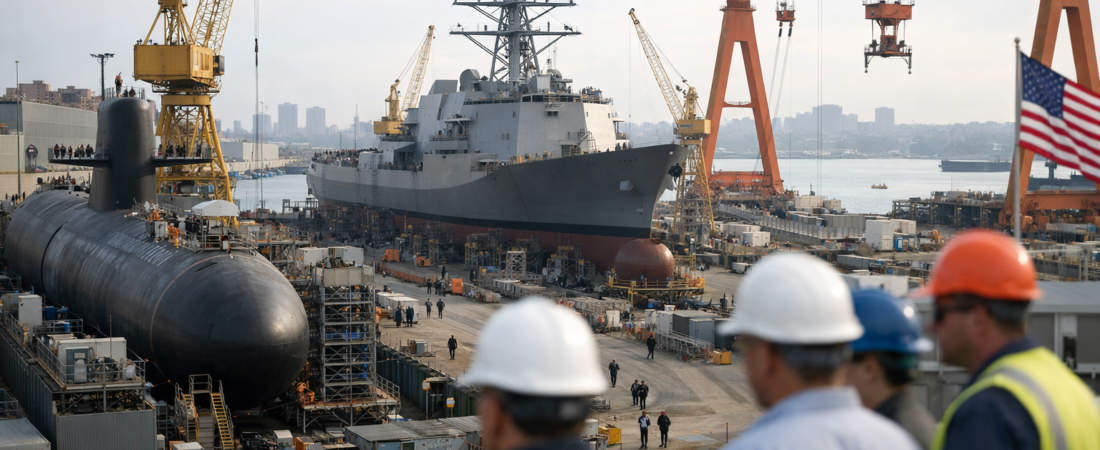
Canada launched its patrol submarine program to modernize its aging naval fleet. Hanwha Ocean entered as one of the finalists, competing directly against Germany’s ThyssenKrupp Marine Systems, known as TKMS. This was a rare opportunity for Korean shipbuilding to enter the North American defense market in a major way.
Losing this bid stings for more than one reason. Canada represents a strategic gateway into Western defense procurement.
A win would have boosted Hanwha Ocean’s global reputation significantly. Instead, the company now faces tough questions about its readiness for high-stakes international competition.
According to industry analysis, Hanwha Ocean may not have fully recognized the risk of losing until late in the process. Some reports suggest internal communication problems, where field teams failed to properly relay competitive intelligence back to headquarters in Seoul. If true, this points to a deeper organizational issue — not just a technical one.
Did Hanwha Ocean simply misjudge its own competitiveness? That question deserves honest scrutiny, not a celebratory video.
Why Hanwha Ocean Lost to Germany’s TKMS

Submarine contracts are won or lost on specific, measurable factors. Two areas stand out in this case: maintenance, repair, and overhaul capability — known as MRO — and technical specifications.
TKMS reportedly outperformed Hanwha Ocean in both categories. That is a significant gap to overcome in defense procurement.
MRO capability matters enormously to buyers like Canada. A submarine is only as good as the support network behind it for the next thirty years. TKMS has decades of established MRO infrastructure across NATO-aligned countries, giving Canadian officials more confidence in long-term serviceability.
Hanwha Ocean, despite strong shipbuilding fundamentals, has less proven track record in this specific area outside Korea.
Specification differences also played a role. Modern submarine buyers evaluate stealth capability, endurance, and weapons integration with extreme precision. If Hanwha Ocean’s design fell short on any of these technical benchmarks, that alone could explain the loss — no conspiracy or bias required.
This is the uncomfortable truth many commentators avoid. Losing to TKMS was not bad luck. It reflected a real competitiveness gap that Hanwha Ocean must now close through actual engineering investment, not marketing campaigns.
You have to ask: does Korea’s defense industry sometimes confuse national pride with actual capability? That gap can be costly when contracts move to countries with stricter, less sentiment-driven evaluation criteria.
What This Means for Hanwha Ocean and K-Defense
Korea’s defense export sector, often branded as “K-defense,” has grown rapidly in recent years. Hanwha Ocean sits at the center of that growth story, alongside firms like Hanwha Aerospace and Korea Aerospace Industries. But rapid growth can create blind spots.
Emotional marketing works well domestically. It builds public support and stock market enthusiasm.
It does very little, however, to win contracts in Ottawa, Berlin, or Washington. International defense buyers care about technical specifications, delivery timelines, and after-sales support — not inspirational videos.
If Hanwha Ocean wants future wins, the company needs to prioritize three things.
First, stronger MRO infrastructure abroad, matching what TKMS and other established players already offer. Second, closing the technical specification gap through sustained R&D investment rather than one-time upgrades. Third, improving internal reporting systems so headquarters gets accurate, timely intelligence from field teams during competitive bids.
None of this is glamorous. But it is exactly what wins contracts.
Industry observers, including outlets like Yonhap News Agency, have long tracked how Korean shipbuilders compete against European and American rivals. The lesson from this loss is not that Hanwha Ocean should stop trying. It is that trying harder on fundamentals matters more than celebrating effort after the fact.
Should K-defense companies focus more on engineering than image-building? The Canada submarine loss suggests yes, urgently. Hanwha Ocean has the shipbuilding talent and industrial base to compete globally — but talent alone does not win contracts against a rival with decades of MRO experience and sharper technical specs.
Going forward, expect more scrutiny of Hanwha Ocean’s next moves. Will the company invest seriously in overseas MRO capability? Will it strengthen internal reporting so future bids get monitored more realistically?
These questions matter more than any thank-you video ever could. Korea’s defense industry has real strengths — shipbuilding scale, cost efficiency, and fast production timelines. But strengths alone do not guarantee wins against seasoned competitors like TKMS.
The submarine loss should serve as a wake-up call, not an excuse for celebration. Hanwha Ocean’s next contract bid will reveal whether the company learned the right lesson. Substance, not sentiment, wins in global defense procurement — and that lesson applies well beyond one submarine program.
What do you think — should Korean companies like Hanwha Ocean shift their public strategy away from feel-good marketing and toward transparent, results-focused communication?
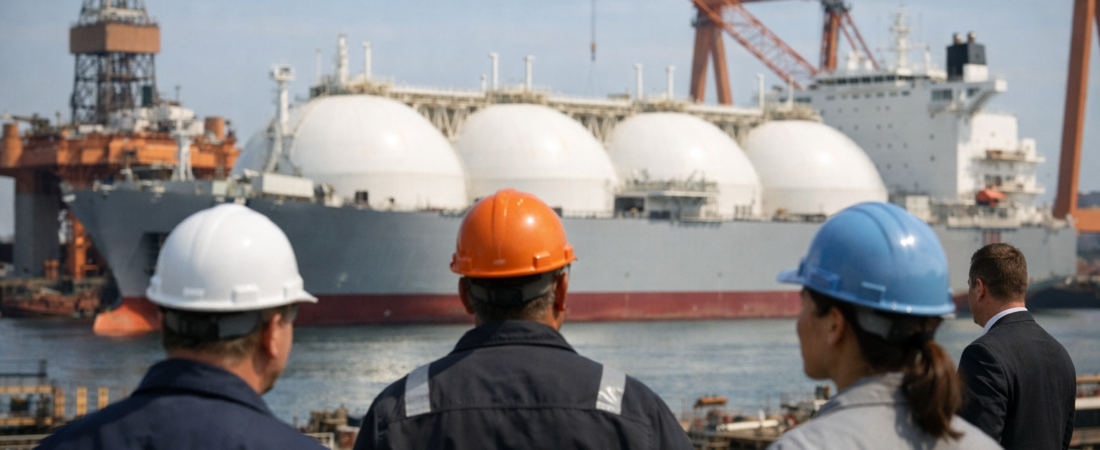
AI-Generated Photorealistic Image — All people, scenes, and details in this image are entirely AI-generated and fictional. Not a real photograph of an actual person or event. 이 이미지는 AI로 생성된 가상 이미지입니다.




Leave a Reply