Table of Contents
Can a political party accuse its rival of “shaking the foundation of democracy” and mean it literally? The Democratic Party of Korea just did exactly that. This week, the party publicly demanded that People Power Party leader Jang Dong-hyuk stop spreading what it called baseless election fraud conspiracy theories.
The accusation is serious. It touches something Koreans take personally: trust in their voting system. So what exactly triggered this clash, and why does it matter beyond party politics?
What Just Happened Between These Two Parties
Kim Seong-hoe, floor spokesperson for the Democratic Party of Korea, didn’t hold back. He described Jang Dong-hyuk’s recent comments as reckless agitation with no factual basis. According to Kim, these remarks go beyond normal political criticism.
They attack something more fundamental, he argued: the legitimacy of Korea’s electoral process itself. That’s a heavy charge to level at the leader of a major opposition party.
The Democratic Party of Korea didn’t stop at criticism, though. It made two concrete demands. First, it called on Jang and the People Power Party to cooperate with vote recounts already underway.
Second, it insisted the opposition party support the special prosecutor investigation process moving through the National Assembly. Why add these specific demands? Because words alone don’t settle disputes like this.
Actions do. The Democratic Party of Korea seems to be saying: if you truly believe something went wrong, prove it through proper legal channels. Don’t just repeat suspicions on television or social media.
This is a familiar pattern in Korean politics, but the stakes feel higher this time. Election integrity claims aren’t new here. Yet when they come from a party leader rather than a fringe commentator, they carry more institutional weight.
Why Election Fraud Claims Keep Resurfacing in Korea
Here’s a question worth asking: why do election fraud theories keep appearing in Korean politics, election after election? Part of the answer lies in Korea’s political history. Democracy here is young compared to many Western nations.
Korea only held its first fully free presidential election in 1987, less than four decades ago. Before that, decades of authoritarian rule left deep scars. Older generations remember manipulated elections firsthand.
That memory doesn’t disappear easily, even as institutions modernize. So when a politician raises doubts about vote counting today, those doubts land on fertile ground. Some voters instinctively believe irregularities are possible, because history says they once were common.
Others see these claims as manufactured outrage, designed purely to delegitimize an election loss. Both reactions are understandable, given Korea’s past. This is exactly why the Democratic Party of Korea frames the issue as existential rather than routine.
If citizens stop trusting vote counts, the entire democratic system weakens. That’s not an exaggeration. Research on democratic backsliding worldwide shows a consistent pattern: unfounded fraud claims erode public confidence faster than almost any other political tactic, even when courts later confirm elections were clean.
You might wonder whether this specific dispute has any real evidence behind it. So far, the Democratic Party of Korea insists there is none. Independent election observers and international monitoring groups have generally rated Korean elections as free and transparent for years.
Readers interested in international perspectives on this can check reporting from Yonhap News Agency for additional context on how Korean election integrity has been assessed globally. Still, perception matters as much as fact in politics. And right now, perception is exactly what’s being fought over.
The Democratic Party of Korea’s Political Calculation
Let’s think about strategy for a moment. Why would the Democratic Party of Korea respond so forcefully, and so publicly, to Jang Dong-hyuk’s comments? One answer is simple: silence can look like weakness.
If a ruling or major party ignores fraud accusations, some voters may assume there’s truth to them. By responding immediately and sharply, the Democratic Party of Korea controls the narrative early. It positions itself as the defender of democratic institutions, not just a defensive target.
There’s a second layer here too. By demanding cooperation on recounts and the special prosecutor process, the party shifts the conversation from rhetoric to procedure. This is a smart move, honestly.
It forces Jang Dong-hyuk and the People Power Party to either engage constructively or appear to be avoiding scrutiny. Neither option looks great for the opposition if they can’t back their claims with evidence. Does this mean the Democratic Party of Korea is acting purely out of principle?
Probably not entirely. Politics rarely works that cleanly. But principle and strategy aren’t mutually exclusive here.
The party genuinely believes fraud claims damage democratic trust, and it also benefits politically from appearing as the institution’s protector. Both things can be true at once. This dual motivation is common in party politics everywhere, not just in Korea.
What’s notable is how quickly the Democratic Party of Korea moved to make this a National Assembly matter. By pushing the dispute into formal legislative channels, the party ensures the issue gets documented, debated, and resolved through recognized procedures rather than left to spread unchecked in public commentary.
What This Standoff Means for Korean Democracy
So where does this leave Korean politics going forward? The immediate dispute between the Democratic Party of Korea and Jang Dong-hyuk will likely fade from headlines within weeks. But the underlying tension won’t disappear that easily.
Election integrity debates tend to resurface whenever political competition intensifies, especially before major votes. That’s not unique to Korea, by the way. The United States, Brazil, and several European democracies have all faced similar cycles recently.
Fraud claims rise after close or contentious elections, then fade until the next contest approaches. Korea appears to be following this same global pattern now. What makes the Korean case distinctive, though, is the speed and formality of the pushback.
The Democratic Party of Korea didn’t just issue a statement and move on. It demanded specific institutional actions: recount cooperation and special prosecutor engagement. This suggests Korean political parties are increasingly using formal legislative tools to settle credibility disputes, rather than letting them play out indefinitely in media cycles.
Is that a healthy development for Korean democracy? In some ways, yes. Formal processes create paper trails and accountability.
They force claims to be tested rather than just repeated. But there’s a risk too: constant procedural battles over election legitimacy can exhaust public patience and deepen partisan distrust, even when the system itself functions properly.
For global readers watching Korean politics, this episode offers a useful lesson. Democratic institutions don’t just need good laws. They need political actors willing to defend those institutions publicly, even when it’s politically convenient to stay quiet.
The Democratic Party of Korea chose to speak up loudly this time. Whether that choice strengthens trust or simply escalates partisan conflict will become clearer in the months ahead, as recounts proceed and the special prosecutor investigation unfolds. What do you think about how Korea’s political parties are handling election integrity disputes today?
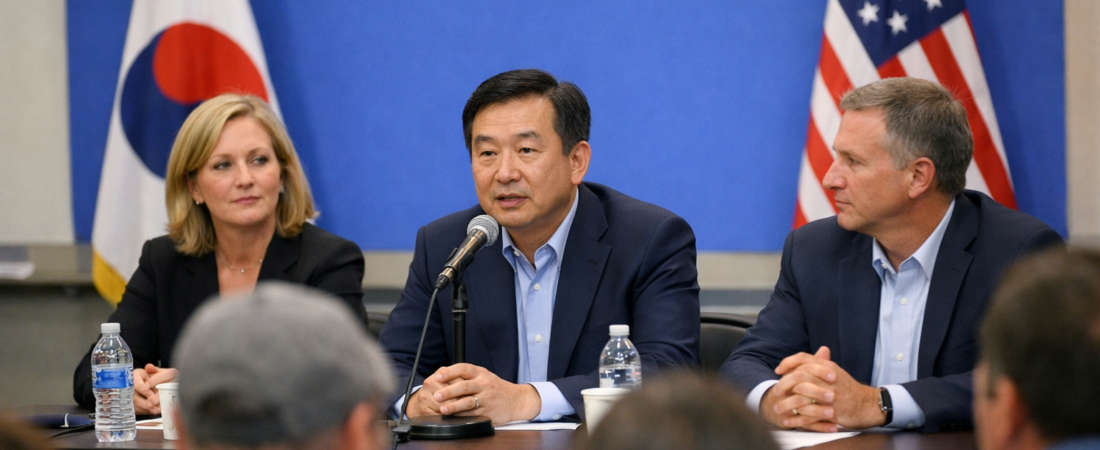
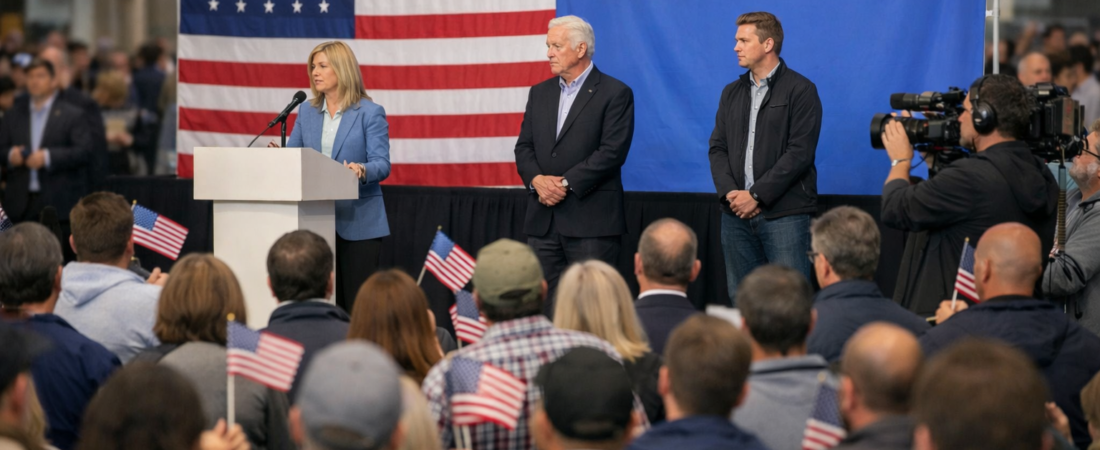
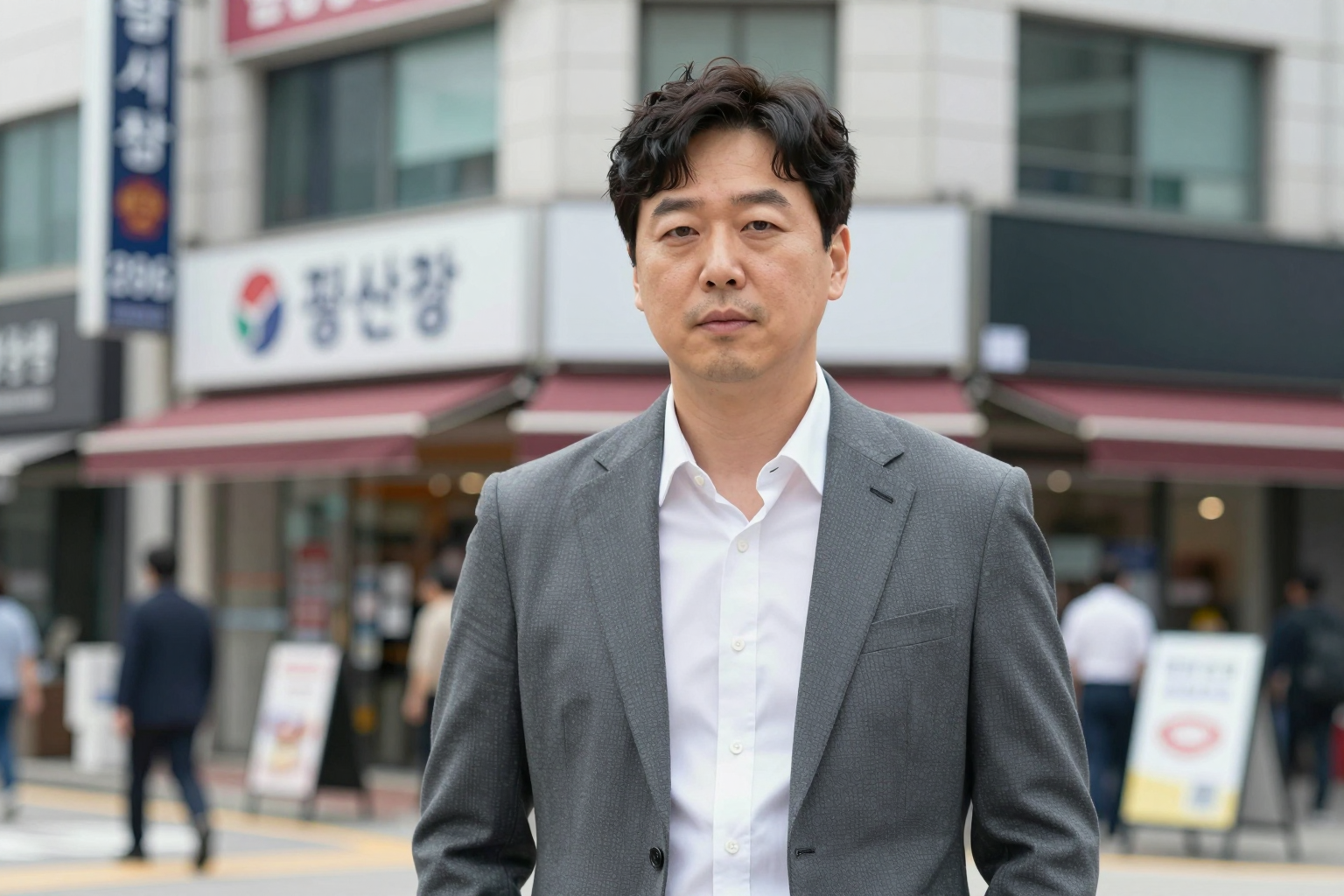
AI-Generated Photorealistic Image — All people, scenes, and details in this image are entirely AI-generated and fictional. Not a real photograph of an actual person or event. 이 이미지는 AI로 생성된 가상 이미지입니다.

Leave a Reply