Table of Contents
Bae Kyung-hoon Takes the Stage in San Francisco
Can a country of 52 million people compete with tech giants controlling trillions in AI investment? Bae Kyung-hoon thinks Korea already does. As Deputy Prime Minister and Minister of Science and ICT, Bae Kyung-hoon recently traveled to San Francisco to make that case directly to the world’s AI leaders.
The occasion was a major AI summit, where Bae Kyung-hoon delivered a message with real weight behind it. Korea isn’t just a bystander in the AI race, he argued. It’s a critical link in the global AI supply chain, and everyone in the room needed to hear that.
Why does this matter to you, even if you’ve never set foot in Seoul or Silicon Valley? Because the chips, memory, and infrastructure powering your favorite AI tools often trace back to Korean factories. Bae Kyung-hoon’s trip wasn’t just diplomacy — it was a reminder of that hidden dependency.
Why Korea Matters in the Global AI Supply Chain
Let’s break down what “AI supply chain” actually means. It’s not just about clever algorithms or chatbots. It’s about the physical hardware — semiconductors, memory chips, servers — that make AI possible at all.
Korea produces a massive share of the world’s advanced memory chips. Companies here manufacture the components that fill data centers from Virginia to Singapore. Bae Kyung-hoon used the San Francisco summit to remind global tech leaders of this simple fact: without Korea, the AI boom slows down.
Is that an exaggeration? Maybe a little. But the underlying point holds up under scrutiny.
Bae Kyung-hoon framed Korea’s role not as a supporting actor, but as a foundational partner. That distinction matters when you’re negotiating investment deals with Big Tech. It changes the tone of every conversation, from data center construction to long-term supply contracts.
Dinner with Big Tech CEOs: What Really Happened
Here’s where things get interesting. Bae Kyung-hoon shared behind-the-scenes details from a dinner with major Big Tech CEOs during the summit trip. These informal moments often matter more than the formal panels.
Why do dinners like this carry so much weight? Because deals rarely start with signed contracts. They start with trust built over a shared meal, a candid conversation, a moment where guards come down.
Bae Kyung-hoon described these exchanges as opportunities to pitch Korea directly to decision-makers who control massive AI budgets. Think about it — a single nod of approval from one of these CEOs can shift billions in investment flow. That’s the real currency of a summit like this one.
These conversations reportedly touched on Korea’s readiness to host new AI infrastructure. Bae Kyung-hoon positioned the country as open for business, eager to attract foreign capital into its growing AI ecosystem. This kind of personal diplomacy has become a signature part of how Korea competes on the global stage today.
Mega Projects and the Race for AI Data Centers
You’ve probably heard the term “mega project” thrown around a lot lately. In the AI world, it usually means massive data center construction, sometimes costing tens of billions of dollars. Bae Kyung-hoon addressed exactly this kind of investment during his San Francisco appearances.
Data centers are the physical backbone of every AI service you use. Every chatbot response, every image generation, every recommendation algorithm needs server farms running around the clock. Bae Kyung-hoon emphasized that Korea wants a bigger slice of this infrastructure boom, not just as a chip supplier but as a hosting location too.
Attracting foreign investment into these projects isn’t easy, though. Global tech firms weigh energy costs, regulatory speed, and geopolitical risk before committing capital. Bae Kyung-hoon’s pitch focused on Korea’s reliable power grid, skilled workforce, and existing semiconductor ecosystem as key selling points.
For readers outside Korea, this connects to a bigger story. Countries worldwide are competing fiercely to host the physical infrastructure of the AI age. Bae Kyung-hoon made clear that Korea intends to be a serious contender in that race, not an afterthought.
Korea’s Quiet Advantage in the US-China AI Rivalry
The United States and China dominate most AI headlines, locked in competition over chips, models, and talent. So where does that leave a middle power like Korea? Bae Kyung-hoon offered a clear answer: cooperation is Korea’s real strength.
Rather than trying to out-compete either superpower directly, Bae Kyung-hoon suggested Korea can position itself as a trusted partner to both sides. This isn’t a passive strategy — it’s a deliberate one. Being useful to everyone, without threatening anyone, has long been a survival tactic for smaller nations caught between larger rivals.
Bae Kyung-hoon also revealed a more accessible initiative: a plan to publish a book explaining AI in simple, everyday language. Why does something so basic matter at a high-level summit? Because public understanding of AI shapes political will, and political will shapes national investment.
If ordinary citizens don’t understand what AI actually is, support for expensive mega projects can weaken quickly. Bae Kyung-hoon seems to understand that technical leadership alone isn’t enough. You need public buy-in too, or the whole strategy stalls at home.
This combination — hardware strength, diplomatic charm, and public education — forms the backbone of Bae Kyung-hoon’s broader vision. It’s a multi-layered approach that treats AI policy as more than just a technology issue. According to coverage from Korea Daily, this blend of hard infrastructure and soft diplomacy defined much of Bae Kyung-hoon’s San Francisco trip.
So where does Korea go from here? Bae Kyung-hoon’s summit appearance suggests a country trying to punch above its weight, using cooperation as leverage rather than competing head-on. Whether that strategy pays off depends on how well Korea executes its mega projects and data center plans in the coming years.
What do you think about Korea’s approach to AI diplomacy — can cooperation really compete with raw power?
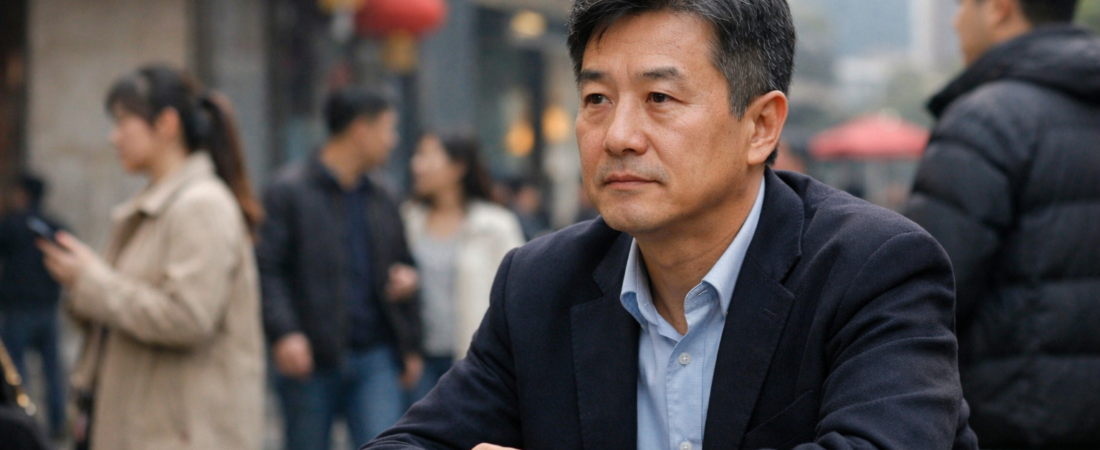
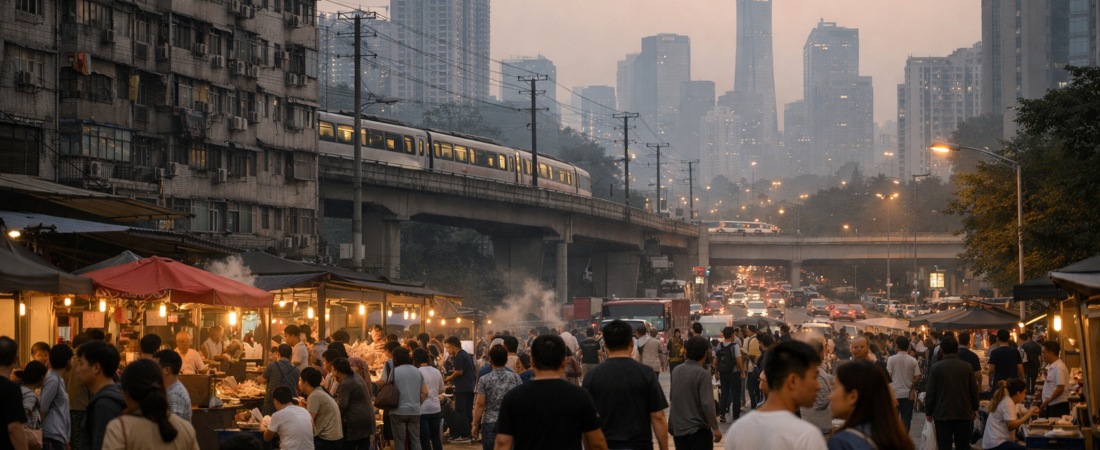
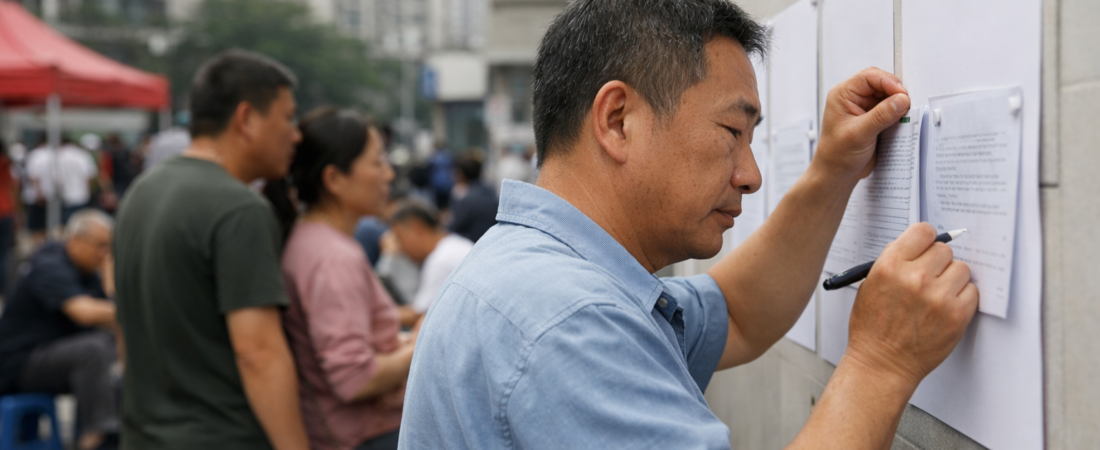
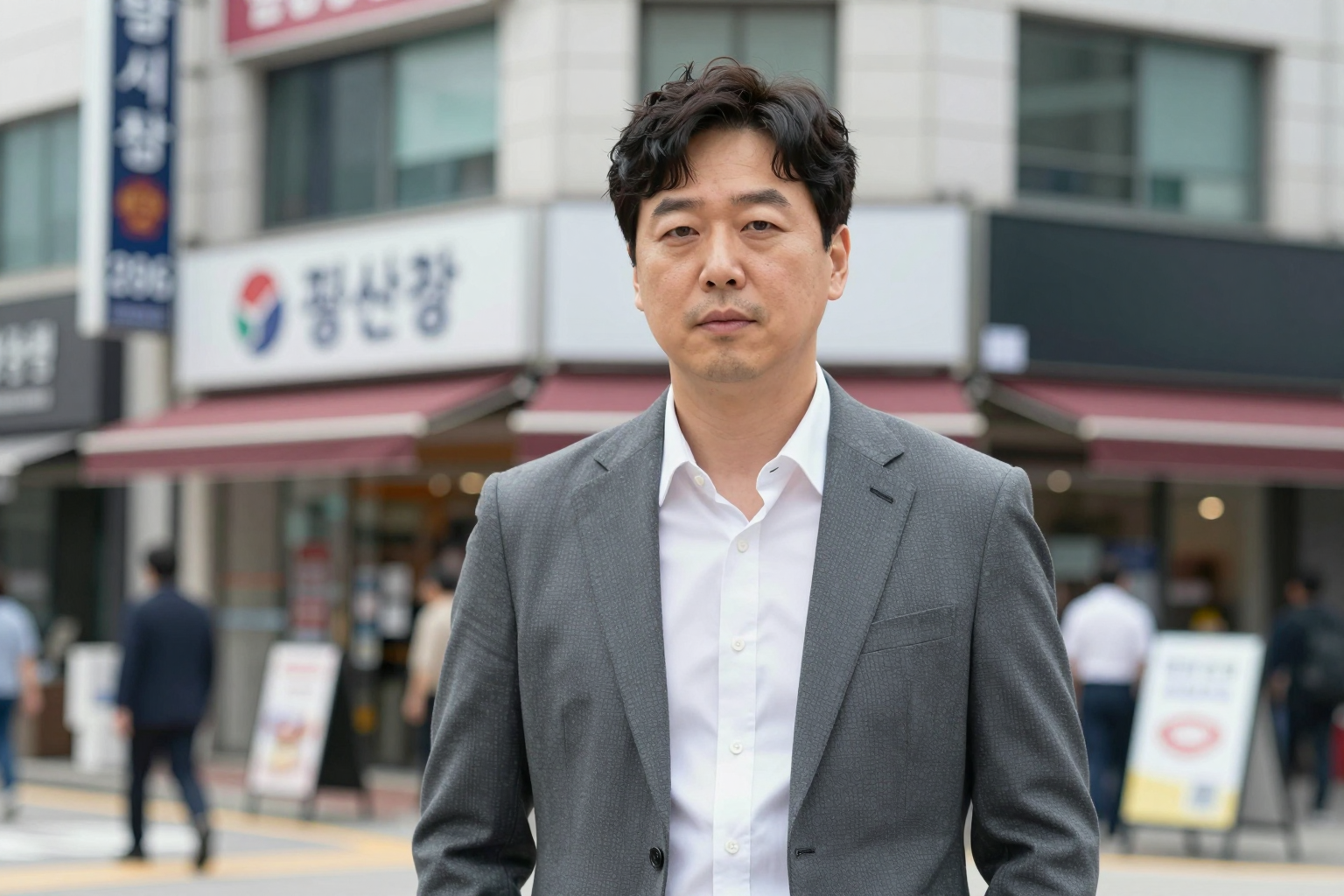
AI-Generated Photorealistic Image — All people, scenes, and details in this image are entirely AI-generated and fictional. Not a real photograph of an actual person or event. 이 이미지는 AI로 생성된 가상 이미지입니다.

Leave a Reply