
Table of Contents
What does it take to rebuild an entire life, one soybean at a time? Heo Jin knows the answer better than almost anyone in South Korea today. She fled North Korea, found fame on a cooking show, and then chose the quiet mountains of Taebaek over the spotlight.
Heo Jin first caught public attention as a contestant on “Korean Food Battle 3” (Hansik Daejeon 3), a competitive cooking show that celebrates Korea’s culinary heritage. Viewers were struck by her story before they even tasted her food. She was North Korea’s first certified doenjang master, a title earned through skill, not sentiment.
Doenjang, Korea’s fermented soybean paste, is not just a condiment. It is the backbone of Korean home cooking, the base for stews, soups, and marinades passed down for generations. Heo Jin’s mastery of this craft made her story resonate far beyond the world of North Korean defector narratives.
Who Is Heo Jin, North Korea’s First Doenjang Master?
Heo Jin’s title as North Korea’s first doenjang master is not a marketing label. It reflects real recognition of her fermentation skill, refined long before she ever crossed the border. Her mother worked as a cook in North Korea, and that kitchen became Heo Jin’s first classroom.
Isn’t it fascinating how a single family recipe can survive a border crossing, a new government, and an entirely different food culture? Heo Jin carried her mother’s techniques with her, adapting them to South Korean ingredients and climate. That adaptation itself tells a larger story about defector life in Korea.
More than 34,000 North Korean defectors now live in South Korea, according to Ministry of Unification data. Each one carries a personal version of Heo Jin’s journey: skills learned in one system, reshaped for survival in another. Her doenjang, then, is more than food; it is a bridge between two Koreas that officially remain divided but share one culinary root.
Her appearance on “Korean Food Battle 3” gave her a national platform. But fame is fleeting, and Heo Jin seemed to understand that better than most contestants. She chose to return to a slower life, far from Seoul’s cameras and crowds.
From a North Korean Kitchen to the Mountains of Taebaek
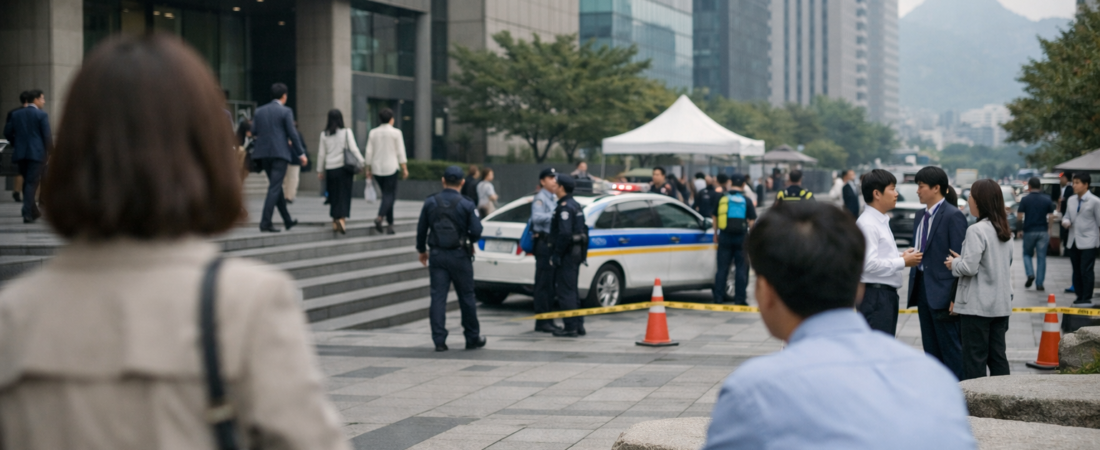
Taebaek sits high in the Taebaek mountain range, one of the coldest and most rugged regions in South Korea. Winters there are long, and the terrain is far from easy for farming. So why would Heo Jin choose this remote city over an easier life in a bigger town?
The answer lies in fermentation itself. Doenjang needs clean air, cold winters, and steady temperature shifts to develop its deep flavor. Taebaek’s harsh climate, it turns out, is exactly what traditional Korean fermentation has relied on for centuries.
Heo Jin now farms her own soybeans in this mountain setting. She grows the raw ingredients herself before turning them into meju, the dried fermented soybean blocks that become doenjang. This full-cycle approach, from soil to jar, is increasingly rare even among Korean fermentation experts.
Many South Korean doenjang makers now buy pre-made meju to save time. Heo Jin does not take that shortcut. Her commitment to the entire process, start to finish, is what separates a hobbyist from a true master.
Readers curious about the broader tradition of Korean fermented foods can find helpful background through Maeil Business Newspaper (MBN), which has followed Heo Jin’s story from her television debut to her current mountain life. Fermentation science, after all, connects directly to the flavors she recreates. It also connects to a much older story about how Korean families preserved food through hard winters long before refrigerators existed.
The Craft Behind Heo Jin’s Doenjang

Making authentic doenjang is not a quick process. It takes months, sometimes over a year, for the paste to reach full flavor. Heo Jin follows this slow timeline without shortcuts, honoring the method her mother once used in a North Korean kitchen.
The process starts with boiling soybeans until soft. Then comes the shaping into meju blocks, followed by drying and hanging them to ferment naturally. Salt, water, and time do the rest of the work, transforming simple beans into something deeply savory.
Koreans take their doenjang seriously. This is something of an understatement, given that entire villages once built their reputations around a single family’s paste recipe.
Heo Jin’s version carries an extra layer of meaning. It is not just Korean tradition; it is a direct link to her mother’s hands and her mother’s memory. Every batch she makes is part cooking, part quiet tribute to a life left behind in North Korea.
This dedication has made Heo Jin a respected figure among Korean food enthusiasts, not just defector advocacy circles. Her doenjang has been described by food writers as balanced and deeply savory, without the overly salty edge some mass-produced versions carry. That distinction matters more than it sounds, since salt balance is often what separates forgettable paste from unforgettable stew.
A Quiet Life With Rescue Dogs in Taebaek
Farming and fermenting alone would already fill most people’s days. Heo Jin adds another responsibility to her mountain routine: caring for rescue dogs. Rural Korea has a well-known stray dog problem, and Taebaek is no exception.
Why would someone rebuilding her own life take on the burden of abandoned animals? Perhaps because Heo Jin understands displacement in a way few others do. She knows what it feels like to arrive somewhere unfamiliar, needing shelter and a second chance.
Her daily routine now blends soybean farming, doenjang fermentation, and dog care into one continuous rhythm. It is not a glamorous life. But it is a deliberate one, chosen instead of the fame that television could have offered her.
There is something worth sitting with in Heo Jin’s choice to build a life around care, whether for soybeans, soil, or stray dogs. Communities that welcome newcomers, human or animal, often find their own resilience deepened in the process. Yet that same closeness can quietly demand a lot from the person doing the welcoming, and isolation in a mountain town is a real cost, not a romantic detail.
Heo Jin’s story does not erase the hardship of defection, nor does it pretend rural life is easy. What it offers instead is a quieter kind of hope: the idea that dignity can be rebuilt slowly, through repeated small acts of care, rather than through a single dramatic rescue. Her doenjang jars and her rescued dogs are both proof of the same instinct, one that chooses patience over shortcuts, and steady tending over quick fixes.
Heo Jin’s path from a North Korean kitchen to a Taebaek mountainside says something larger about defector life in South Korea. Integration is rarely instant, and success does not always look like public visibility. Sometimes it looks like a quiet farmhouse, a row of fermenting jars, and dogs finally settled with someone who understands what it means to need a home.
Her story also reminds global readers that Korean cultural heritage survives through unexpected paths, carried by people who crossed borders most of us will never cross ourselves. What do you think drives someone like Heo Jin to choose mountain solitude over the fame a television platform could offer?
AI-Generated Photorealistic Image — All people, scenes, and details in this image are entirely AI-generated and fictional. Not a real photograph of an actual person or event. 이 이미지는 AI로 생성된 가상 이미지입니다.

Leave a Reply