Table of Contents
Right now in Korea, one story is dominating every political conversation. The National Assembly just passed a sweeping Criminal Procedure Act amendment that strips prosecutors of their investigative power. Seventy-two years of legal tradition changed in a single vote.
Can a justice system really rebuild itself overnight? That question is exactly what lawmakers in Seoul are wrestling with this week. And the answer depends entirely on which side of the aisle you ask.
What Just Happened at the National Assembly
The vote happened fast, and it happened loud. On July 30, ruling coalition lawmakers pushed the Criminal Procedure Act amendment onto the floor of the National Assembly. The opposition People Power Party responded with a filibuster, a legal form of extended debate meant to delay the vote.
But that filibuster lasted only 24 hours. Ruling bloc lawmakers forced a cloture vote to end it, then moved straight to the final count. Out of 178 lawmakers present, 175 voted yes, two voted no, and one abstained.
People Power Party members walked out in protest before the ballots were even counted. That gesture alone tells you how deep the divide has become. Still, the numbers speak for themselves — this amendment passed with overwhelming force.
Interestingly, the two “no” votes and the single abstention all came from within the ruling Democratic Party of Korea itself. Lawmaker Kwak Sang-eon voted against the bill, citing concerns about eliminating prosecutors’ supplementary investigative powers entirely. Lawmaker Lee So-yeong abstained for similar reasons, showing that even supporters of judicial reform have real doubts about how far this Criminal Procedure Act amendment goes.
Inside the Criminal Procedure Act Amendment
So what does this law actually do? In plain terms, it removes prosecutors’ authority to investigate criminal cases directly. This power has existed since the country’s original Criminal Procedure Act was written decades ago, so the change is historic by any measure.
Under the old system, prosecutors could investigate a case and also request additional evidence after police handed it over. That “supplementary investigation” power is now gone too. Police retain only the right to request follow-up investigation from other police units, not from prosecutors.
The Criminal Procedure Act amendment adds something else worth noting. Courts can now dismiss a case if prosecutors are found to have conducted a seriously unlawful investigation or grossly abused their discretion in deciding whether to indict. That is a new legal check built directly into the courtroom process.
Why does this matter so much? Because for 72 years, prosecutorial investigation power sat at the center of Korea’s criminal justice system. Removing it reshapes how every criminal case in the country will move from arrest to trial.
You can read the original SBS report on this vote through SBS News for the full Korean-language coverage. It captures the tension inside the Assembly chamber that day in vivid detail.
Historic Turning Point or Public Backlash?

Democratic Party floor leader Han Byung-do called this a defining moment. “This is a historic turning point that separates investigation from indictment,” he said, “placing prosecutorial power under constitutional and public control.” That framing paints the Criminal Procedure Act amendment as a long-overdue correction to concentrated power.
People Power Party floor leader Jeong Jum-sik sees it completely differently. “More than half the public opposed abolishing supplementary investigation powers,” he argued, “yet the Democratic Party is going against public sentiment.” His party has already announced plans to request a presidential veto and file a constitutional appeal.
Is one side simply wrong? Not necessarily — both arguments carry weight, which is exactly why this debate feels so unresolved. Reform advocates point to decades of concern about prosecutors holding too much unchecked power in one office.
Critics counter that removing supplementary investigation rights entirely, rather than reforming them, could slow down complex cases and hurt victims waiting for justice. The presidential office weighed in too, saying it “respects the National Assembly’s final decision.” It added that separating investigation from indictment “will prevent the monopolization of power while raising protection for victims and citizens’ rights.”
That statement tries to bridge both camps, but it does not erase the political storm surrounding the Criminal Procedure Act amendment. Korea’s National Assembly did not stop there, either. A related bill would shorten the review period for fast-tracked legislation from 330 days down to just 90 days, and that bill is expected to pass in the August special session.
What Comes Next for Korea’s Justice System
This story matters far beyond Korea’s borders, and here is why. Countries around the world are constantly debating how much power prosecutors should hold versus police and courts. Korea just made one of the boldest moves on that question in recent memory, and legal scholars everywhere will be watching how it plays out.
The Criminal Procedure Act amendment now heads toward a likely presidential veto fight and a constitutional court challenge. That means the story is far from over. Expect months, possibly years, of legal battles before the dust fully settles.
Will this amendment actually reduce prosecutorial overreach, or will it simply shift problems onto police and courts instead? That is the real test ahead. Supporters believe the added court-based check — dismissing cases built on unlawful investigation — will protect ordinary citizens more than the old system ever did.
Skeptics worry that without prosecutors’ supplementary investigation authority, some cases could stall in procedural gaps between police and courts. Both outcomes are possible, and only time will reveal which concern proves more accurate. For now, Korea’s political parties remain locked in a standoff over how much change is too much, too fast.
If you follow Korean politics from abroad, this moment offers a rare, clear window into how democracies wrestle with institutional power. The debate over the Criminal Procedure Act amendment echoes similar reform conversations happening in Japan, the United States, and across Europe. What do you think — does separating investigation from indictment make a justice system fairer, or does it simply move the same risks somewhere else?
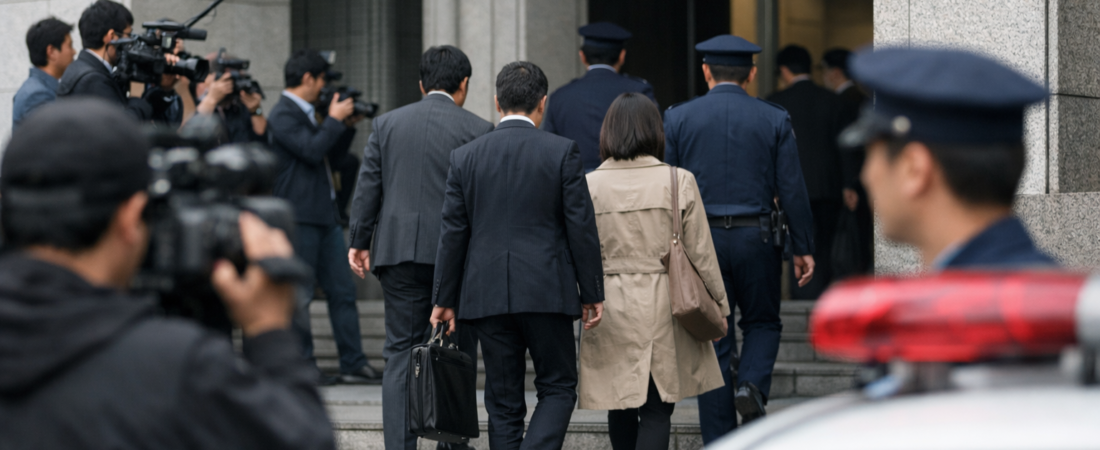
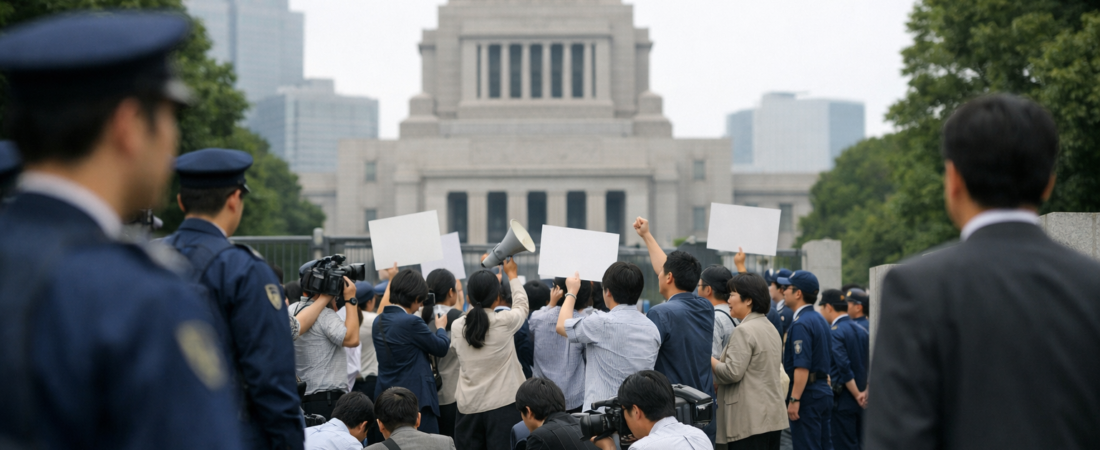
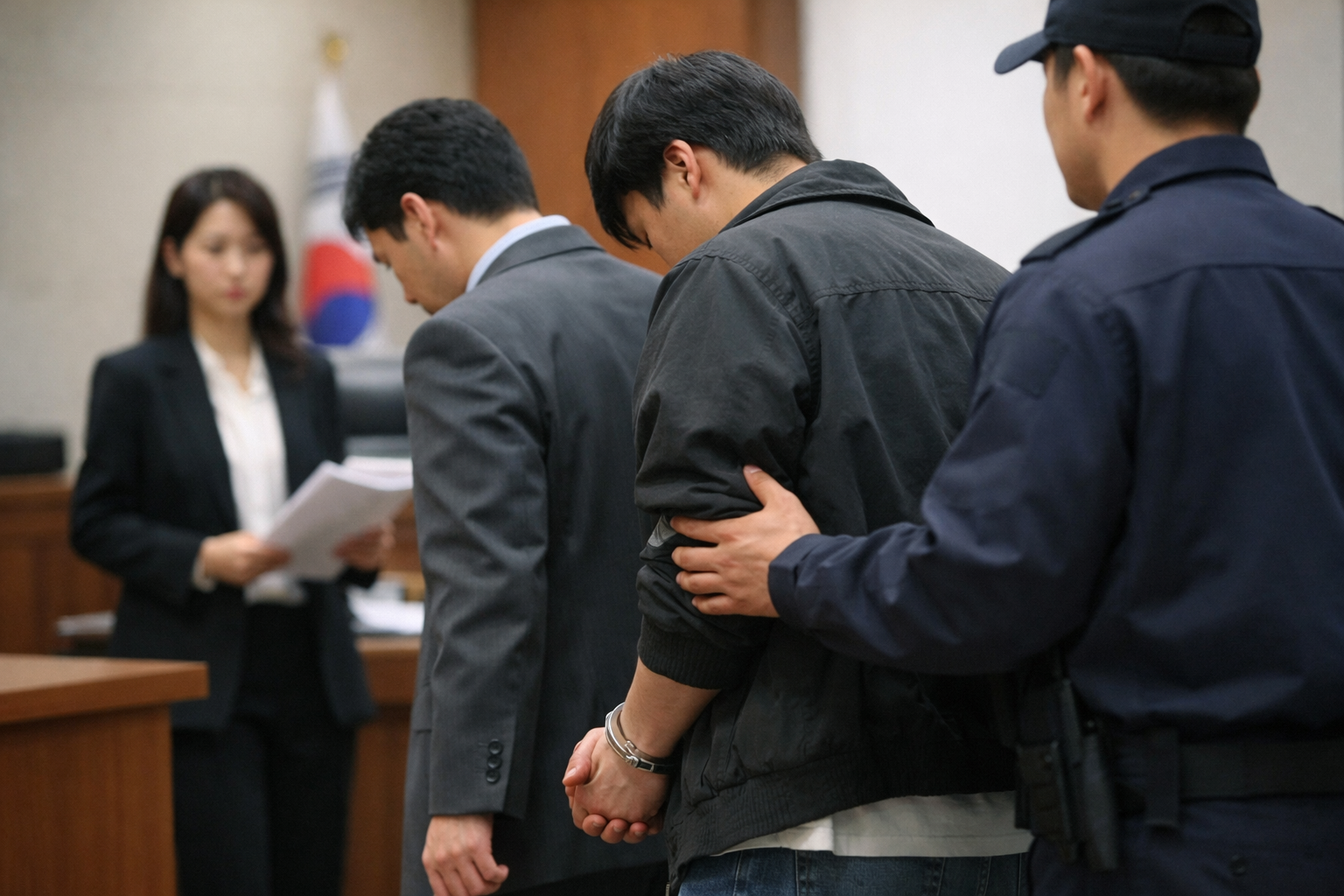
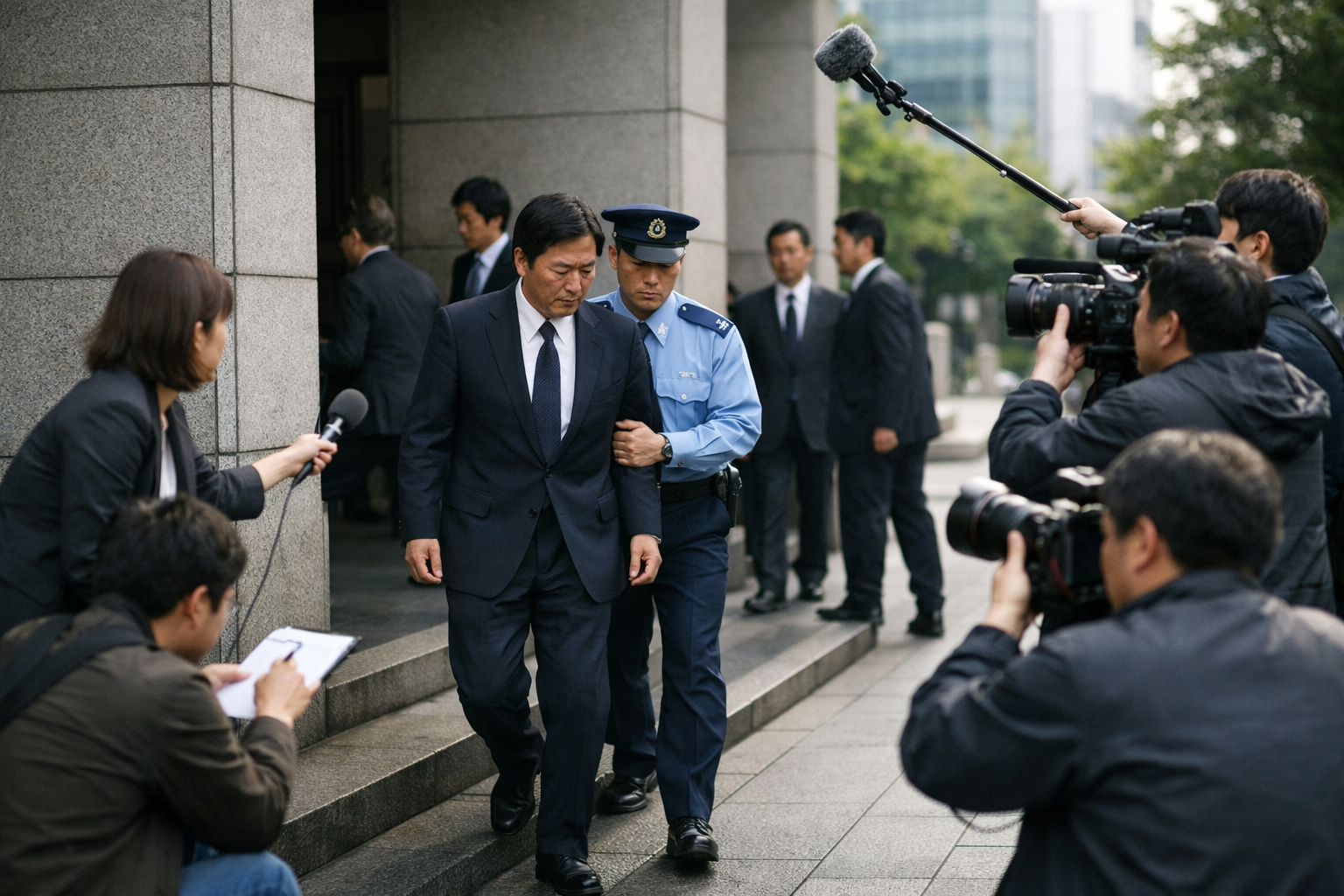
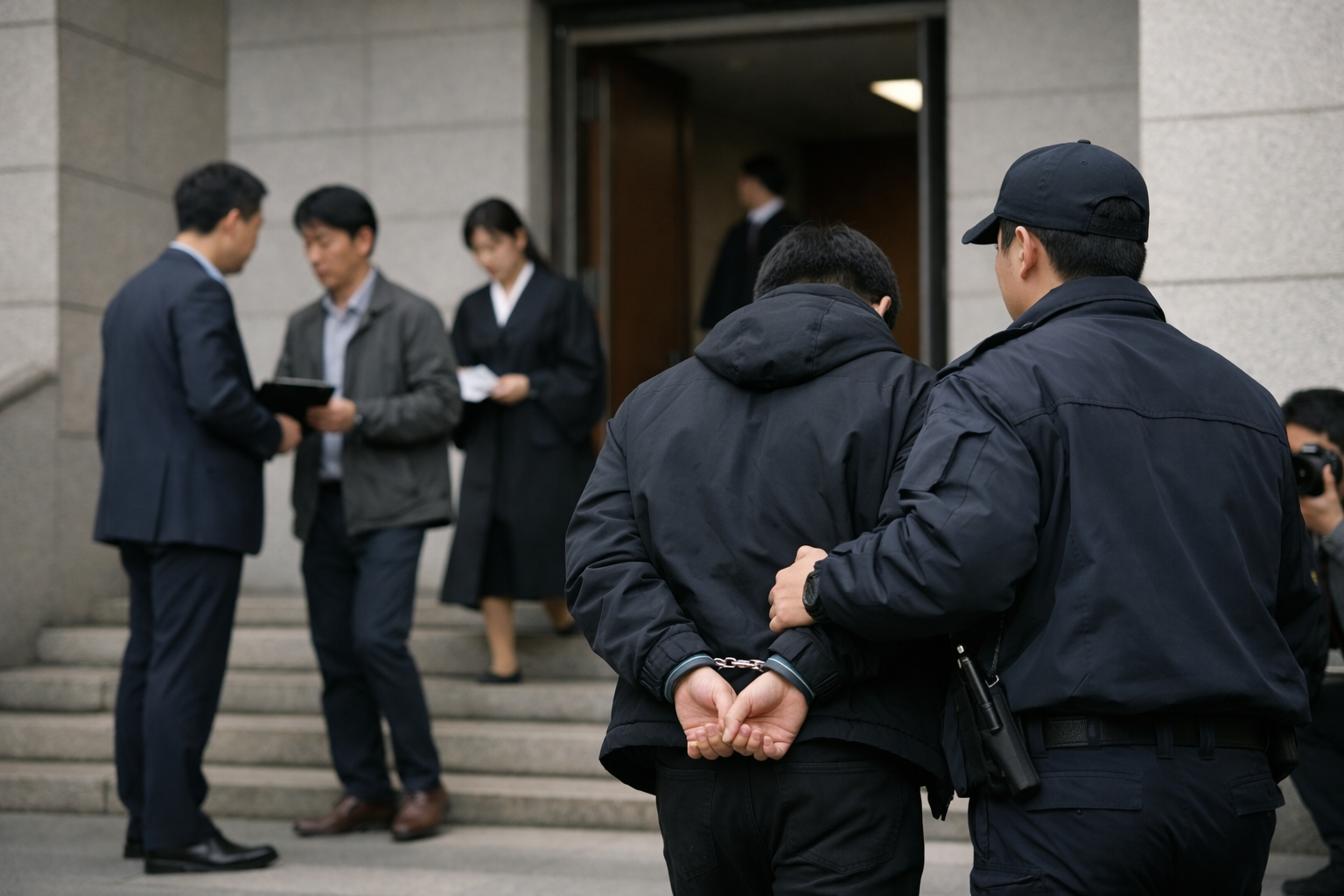
AI-Generated Photorealistic Image — All people, scenes, and details in this image are entirely AI-generated and fictional. Not a real photograph of an actual person or event. 이 이미지는 AI로 생성된 가상 이미지입니다.

Leave a Reply