
Table of Contents
National Assembly Passes Landmark Criminal Procedure Act Reform
Right now in Korea, one story is dominating political headlines: the National Assembly just stripped prosecutors of investigative power they held for 72 years. As of this week, lawmakers passed a sweeping revision to the Criminal Procedure Act. Do you know what happens when a country rewrites the rules that decide who can investigate crime?
On July 30, the ruling bloc pushed the bill onto the floor of the National Assembly. Opposition lawmakers from the People Power Party launched a filibuster, a legal form of prolonged debate meant to delay the vote. It lasted only 24 hours before the ruling coalition forced a vote to end it.
The final tally was decisive: 175 in favor, 2 opposed, 1 abstention, out of 178 lawmakers present. People Power Party members walked out in protest before the vote. This single session may reshape how criminal justice works in Korea for decades.
What the Criminal Procedure Act Overhaul Actually Changes
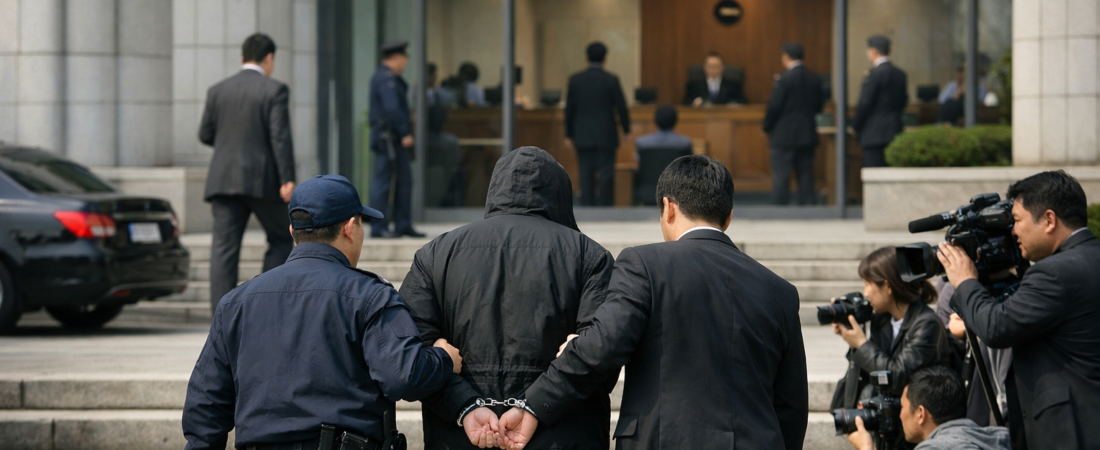
So what exactly does this new Criminal Procedure Act do? First, it completely eliminates prosecutors’ direct investigative authority, a power that has existed since the law was first enacted in 1945. Second, it removes prosecutors’ “supplementary investigation” rights, leaving police with only a limited request-based authority.
Think of it this way: prosecutors used to be able to investigate cases directly, then request more evidence from police if something felt incomplete. Under this new Criminal Procedure Act, that back-and-forth largely disappears. Police become the primary investigators, and prosecutors shift almost entirely toward the role of deciding whether to prosecute.
The bill also adds a new safeguard for defendants. Courts can now dismiss a case if it finds “serious illegal investigation” or a “significant abuse of prosecutorial discretion.” That clause did not exist before, and it gives judges a fresh tool to police the police, so to speak.
For readers outside Korea, this move echoes a global debate. Many democracies wrestle with how much power to concentrate in a single office. Should investigation and prosecution sit in the same hands, or should they be separated for balance? Korea has now chosen separation, at least on paper.
Historic Turning Point or Going Against Public Opinion?
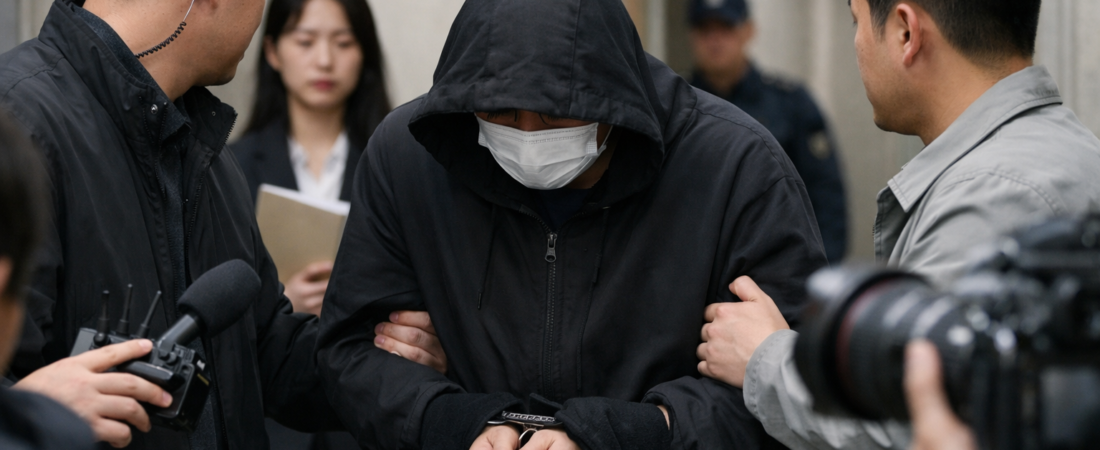
Naturally, the two major parties see this Criminal Procedure Act reform in completely different lights. Han Byung-do, floor leader of the Democratic Party of Korea, called it something much bigger than a technical fix. He described it as a historic turning point that places prosecutorial power under constitutional and public control by separating investigation from prosecution.
Jeong Jeom-sik, floor leader of the People Power Party, pushed back hard. He argued that a majority of the public actually opposed scrapping prosecutors’ supplementary investigation powers. In his words, the Democratic Party is going against public sentiment, not honoring it.
Interestingly, the ruling party was not fully united either. Democratic Party lawmaker Kwak Sang-eon voted against the bill, citing concerns about side effects from a total ban on supplementary investigation. Fellow party member Lee So-young abstained for similar reasons, showing that even inside the winning coalition, doubts about this Criminal Procedure Act remain real.
The Presidential Office weighed in as well, saying it respects the National Assembly’s final decision. Officials added that separating investigation from prosecution should prevent any single institution from monopolizing power. They also said it should raise protection standards for victims and ordinary citizens, according to SBS News.
Here is a bit of context worth remembering. Korea’s prosecution service has long been criticized as one of the most powerful in the world, able to both investigate and indict almost any case it chose. Reforming that structure has been attempted by multiple administrations over the past two decades, often stalling in political gridlock. This time, the ruling bloc’s legislative majority made passage possible in a single session.
What Comes Next for Korea’s Criminal Procedure Act
Passage through the National Assembly is not the end of this story. The People Power Party has already demanded a presidential veto on this Criminal Procedure Act. It also plans to file a constitutional complaint, arguing the process or substance of the law violates constitutional principles.
Will a veto actually happen? That depends heavily on political calculation at the highest levels, and it is worth watching closely in the coming weeks. A veto would send the bill back to the National Assembly, where the ruling coalition would need a two-thirds majority to override it.
There is a related fight brewing too. During the same session, the ruling party introduced a bill to shorten the review period for “fast-track” legislation from 330 days to just 90 days. The People Power Party filibustered that bill as well, but the filibuster automatically ended at midnight when the July special session closed. That fast-track bill is now expected to pass in the August session, again under Democratic Party leadership.
Why should readers outside Korea care about a domestic Criminal Procedure Act debate? Because it signals something bigger: how fast a functioning democracy can rewrite core institutions when one coalition holds enough seats. It is also a live case study in balancing prosecutorial power against police authority, a question many countries are still negotiating.
Korea’s experiment with this new Criminal Procedure Act will likely take years to fully evaluate. Success will depend on how police handle their expanded investigative load, and whether victims actually see faster, fairer outcomes. What do you think about Korea’s decision to fully separate investigation from prosecution after 72 years of a different system?
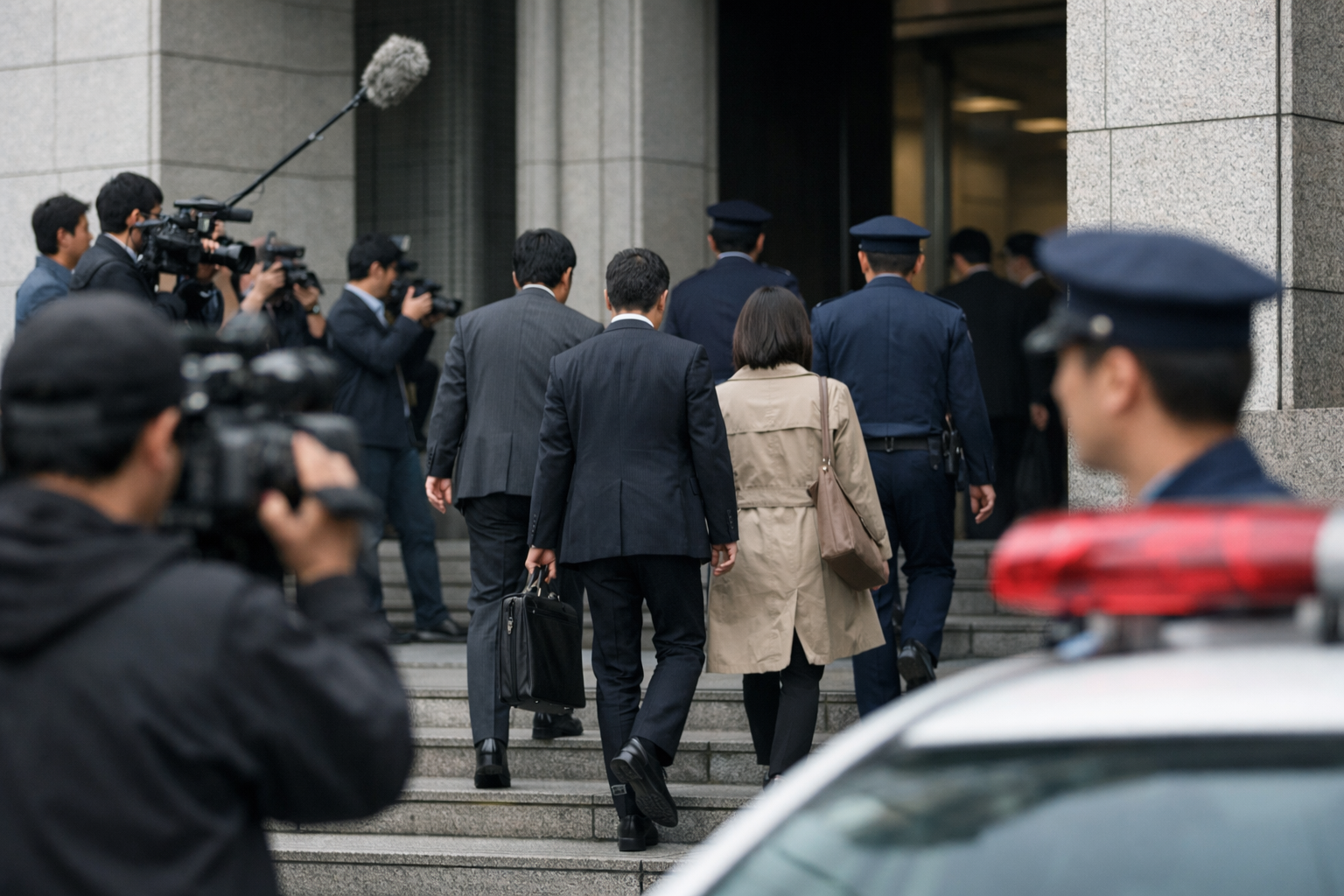
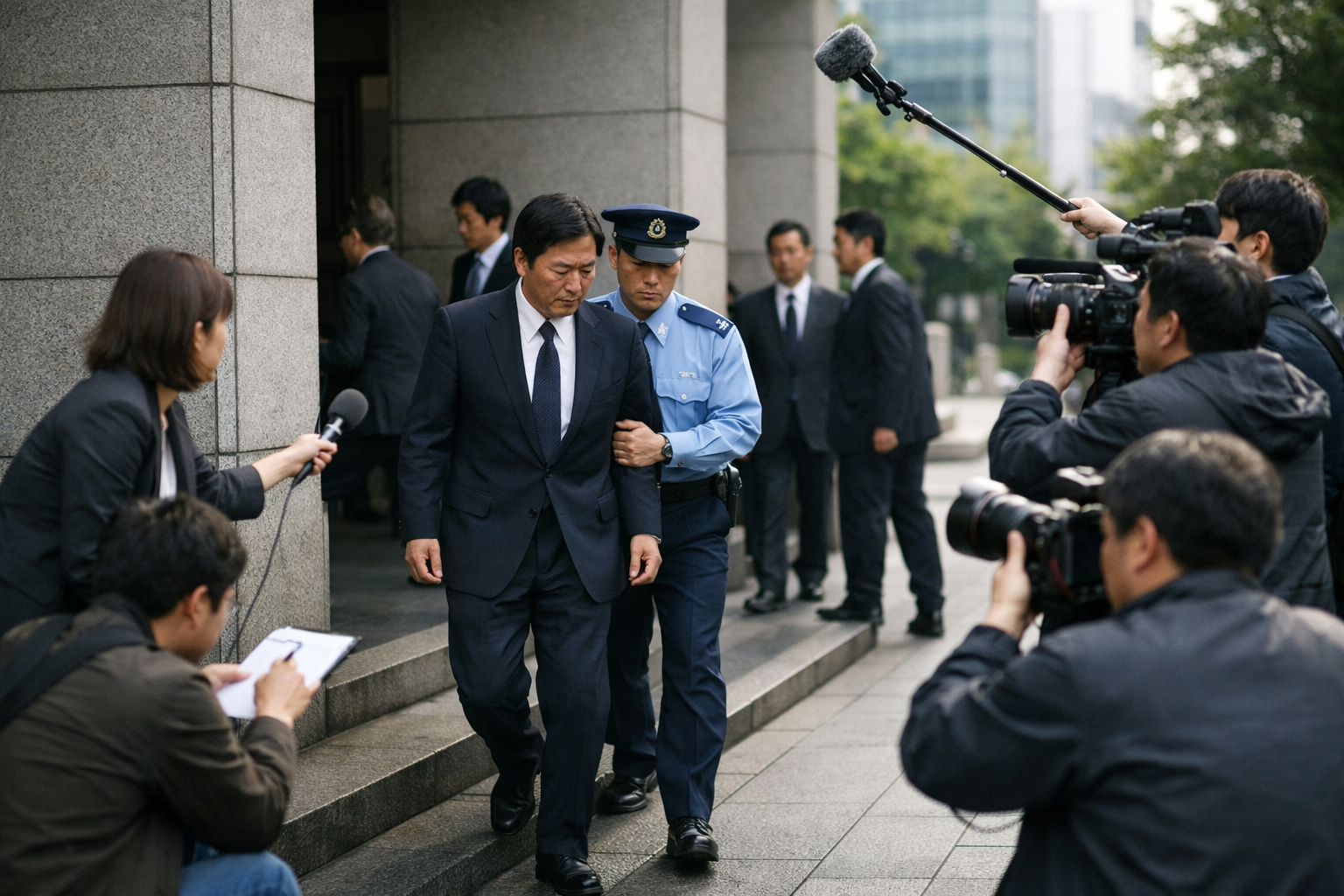
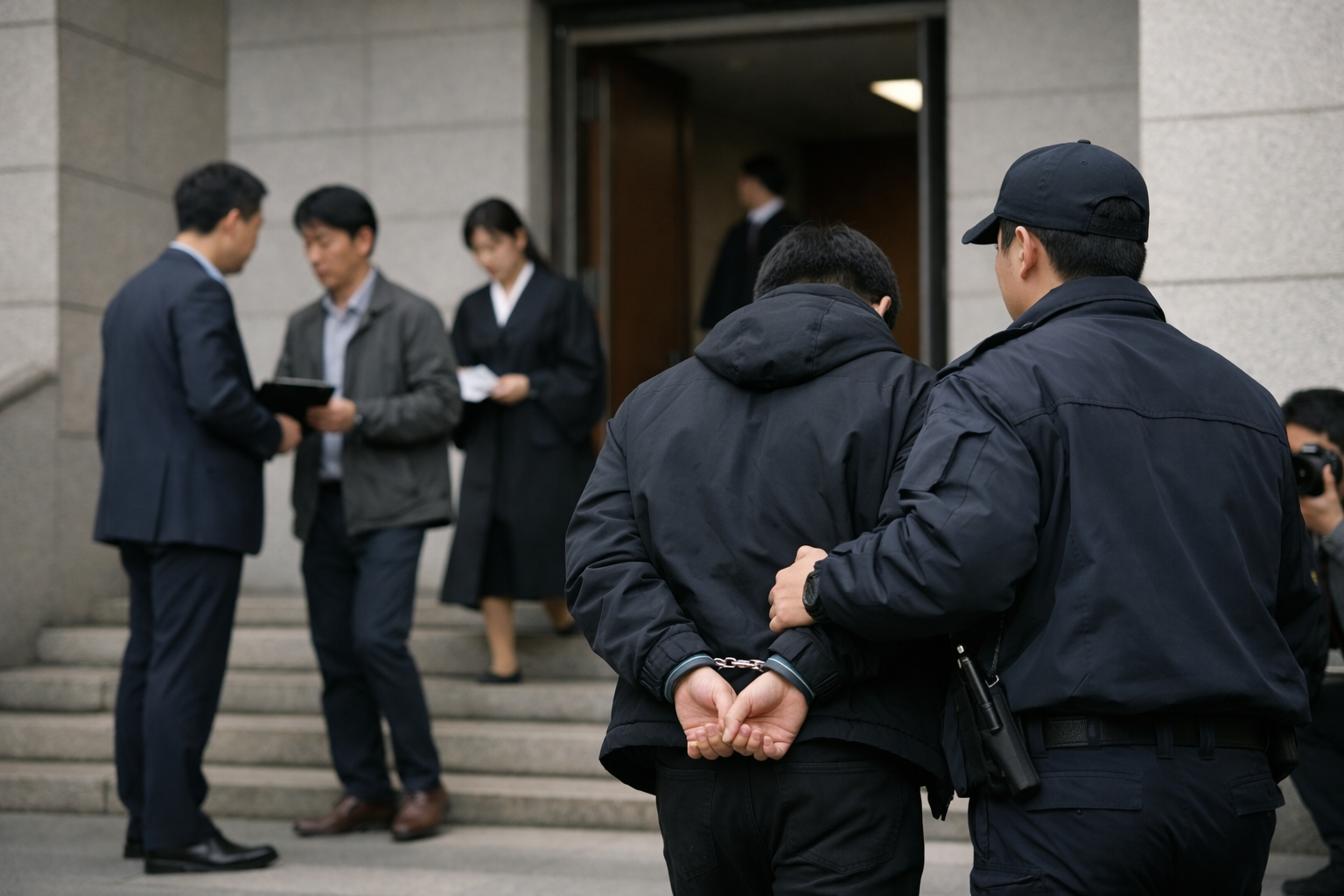
AI-Generated Photorealistic Image — All people, scenes, and details in this image are entirely AI-generated and fictional. Not a real photograph of an actual person or event. 이 이미지는 AI로 생성된 가상 이미지입니다.

Leave a Reply