Table of Contents
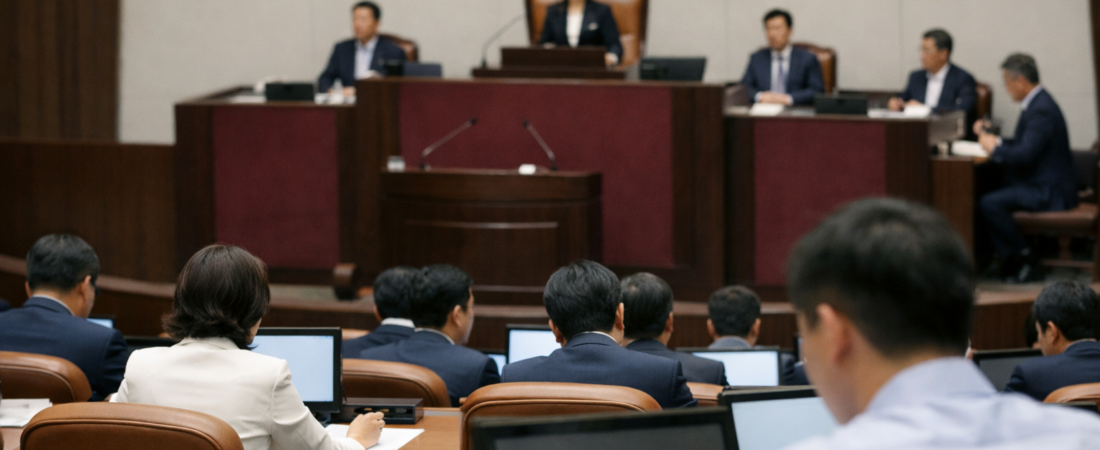
Right now in Korea, all eyes are on the National Assembly. The August extraordinary session officially opened this week, and it already feels like a rerun of last month’s political drama. Why does a legislative fight in Seoul matter to readers thousands of miles away?
Because this August extraordinary session will decide how fast Korea’s ruling party can pass laws, how election disputes get resolved, and how much power the opposition retains to slow things down. These are questions every democracy wrestles with. Korea’s version just happens to be unfolding in real time this month.
The August Extraordinary Session Opens Amid Tension
The Democratic Party of Korea and the People Power Party are already locked in a familiar standoff. Under National Assembly rules, the August extraordinary session was supposed to convene automatically on August 16. But the People Power Party pushed for an earlier start, so the session officially began on August 2 instead.
Here’s the twist, though. Early August is vacation season in Korea, and the Democratic Party is deep into its own internal leadership race. Regional primary votes happen every weekend this month, pulling attention away from the assembly floor.
That means the August extraordinary session may not see real legislative action until after the party convention wraps up around August 17. Insiders within the Democratic Party expect a full plenary session as early as August 13. Until then, expect a lot of posturing and not much voting.
Is this pattern familiar to anyone who follows legislatures anywhere? Slow starts followed by frantic late-session votes are hardly unique to Korea. But the stakes this time are unusually high, touching everything from legislative speed to election integrity.
Fast-Track Law and the Filibuster Battle
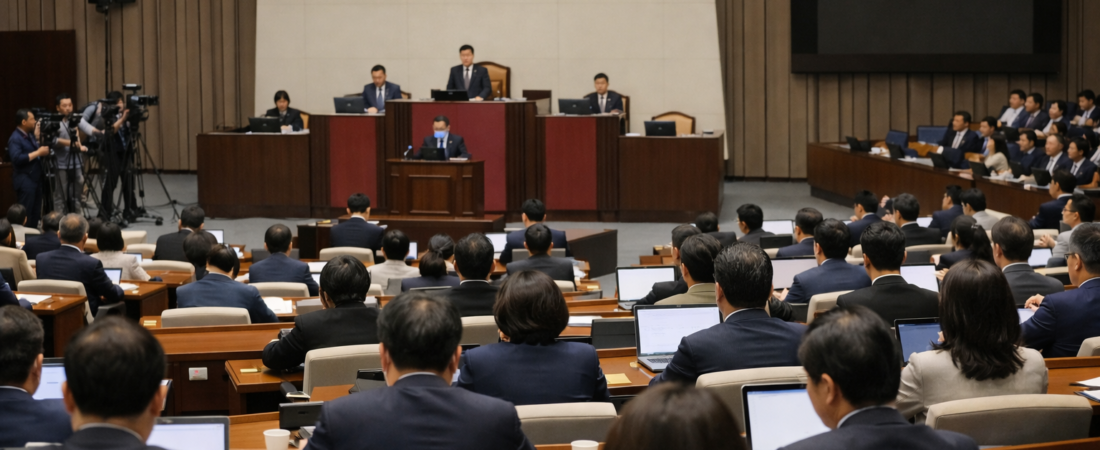
The centerpiece fight of this August extraordinary session involves a bill to shorten the fast-track review period for legislation. Currently, fast-tracked bills can sit in review for up to 330 days. The Democratic Party wants to cut that down to just 90 days.
The People Power Party responded with a filibuster, Korea’s version of the unlimited debate tactic used in legislatures worldwide. But when the July extraordinary session ended, the filibuster automatically stopped. The bill now sits ready for a floor vote as soon as the August extraordinary session gets moving.
There’s a second bill causing just as much friction. It would lower the threshold needed to end a filibuster, from one-third of lawmakers down to one-fifth. It would also let the National Assembly Speaker halt a filibuster session if too few lawmakers are present.
This bill already cleared committee review in late July and moved to a subcommittee. Why does the Democratic Party want this so badly? Because the People Power Party has threatened filibusters against nearly every bill reaching the floor, including basic livelihood legislation that rarely draws controversy elsewhere.
From the Democratic Party’s perspective, that blanket filibuster strategy makes governing nearly impossible. From the People Power Party’s perspective, weakening filibuster rules removes one of the only tools an opposition has. Readers who follow legislative procedure elsewhere will recognize this tension immediately.
You can find detailed background on Korea’s fast-track legislative process through SBS News, which has tracked this dispute since the bill first entered committee.
The Election Commission Special Counsel Standoff
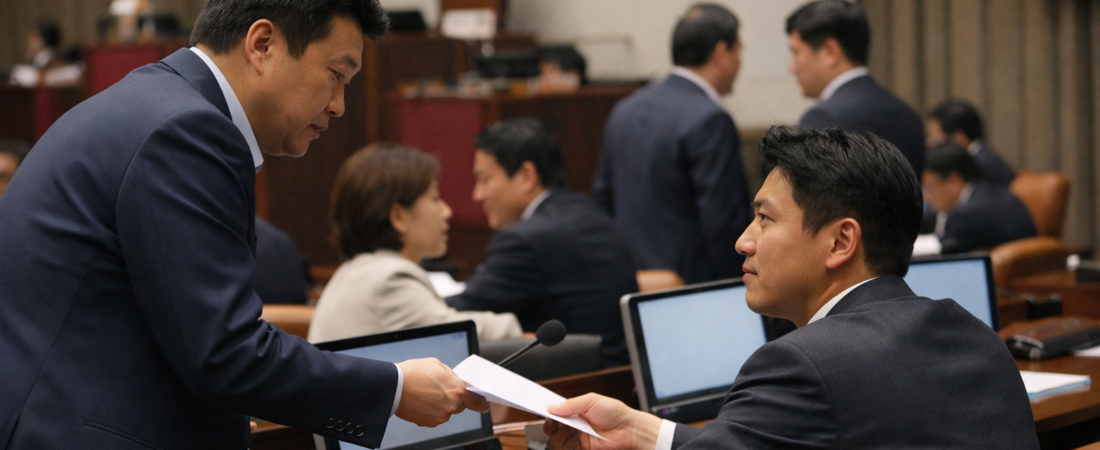
Not everything is deadlocked, though. Both parties actually agreed to pass a special counsel bill targeting the National Election Commission on July 30. That sounds like rare bipartisan cooperation, doesn’t it?
The agreement mostly ends at the signature line. The bill sets up a citizen recommendation committee, with each party naming three members, to nominate two special counsel candidates for the president to choose from. Even forming that committee is expected to spark disputes.
The bigger fight is over scope. The Democratic Party insists the special counsel investigation should cover only the June 3 local elections. The People Power Party argues the investigation should reach further back, potentially including last year’s presidential election.
That’s not a small technical disagreement. It determines whether this special counsel becomes a narrow local inquiry or a sweeping review of Korea’s recent electoral history. Given how emotionally charged past election disputes have been in Korea, this interpretation gap could dominate headlines throughout the August extraordinary session.
Songpa-gu Recount and What Comes Next
Layered on top of everything else is the Songpa-gu ballot recount dispute. The National Assembly’s special investigation committee had its activity period extended specifically to handle this issue.
The Democratic Party wants the recount conducted on August 18 under the investigation committee’s authority. The People Power Party disagrees entirely. They insist the recount must happen under supervision of the newly created Election Commission special counsel, with the process open to the public, and they want the schedule adjusted to match.
Notice the pattern here. Almost every major item on this August extraordinary session’s agenda involves the same two parties disagreeing not just on outcomes, but on process and timing itself.
What should global readers take away from all this? Korea’s National Assembly is grappling with a challenge familiar to democracies everywhere: how do you balance majority efficiency against minority voice? The Democratic Party holds enough seats to push its agenda through, yet it still needs procedural rule changes to move faster.
The People Power Party lacks the votes to block outright, so it leans on delay tactics like filibusters instead. Whether the August extraordinary session ends in gridlock or genuine progress will offer a useful case study for anyone watching how legislative rules shape political outcomes far beyond Korea’s borders.
Expect the real test to come after the Democratic Party’s leadership convention concludes in mid-August. Once party attention shifts back to the assembly floor, the fast-track bill vote, the special counsel committee formation, and the Songpa-gu recount timeline will all need resolution within a compressed window. That crowded agenda alone tells you how consequential this August extraordinary session could become.
Do you think shortening fast-track review periods strengthens democratic governance, or does it weaken necessary checks on majority power? Let us know what you think about Korea’s approach to legislative reform this August.
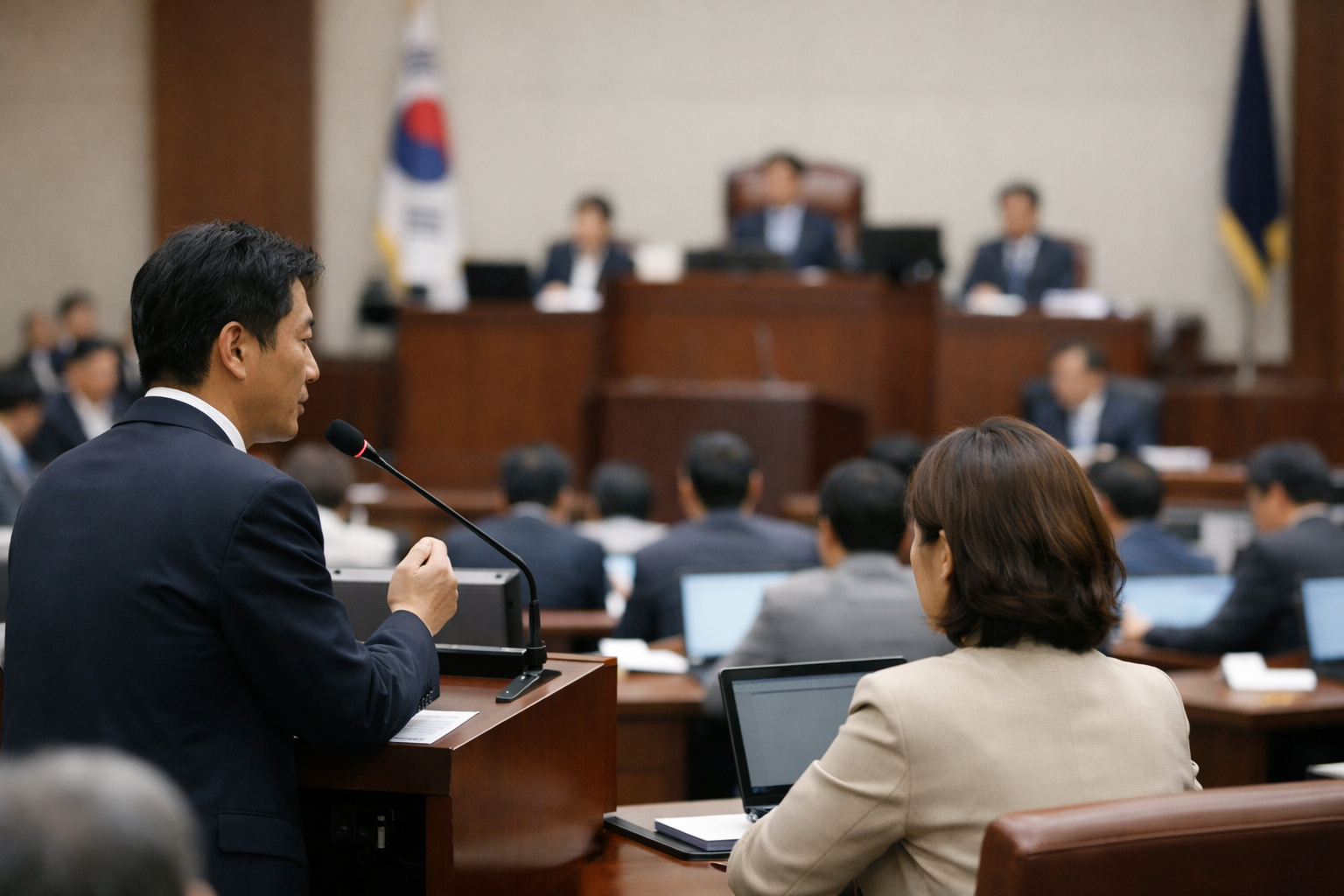
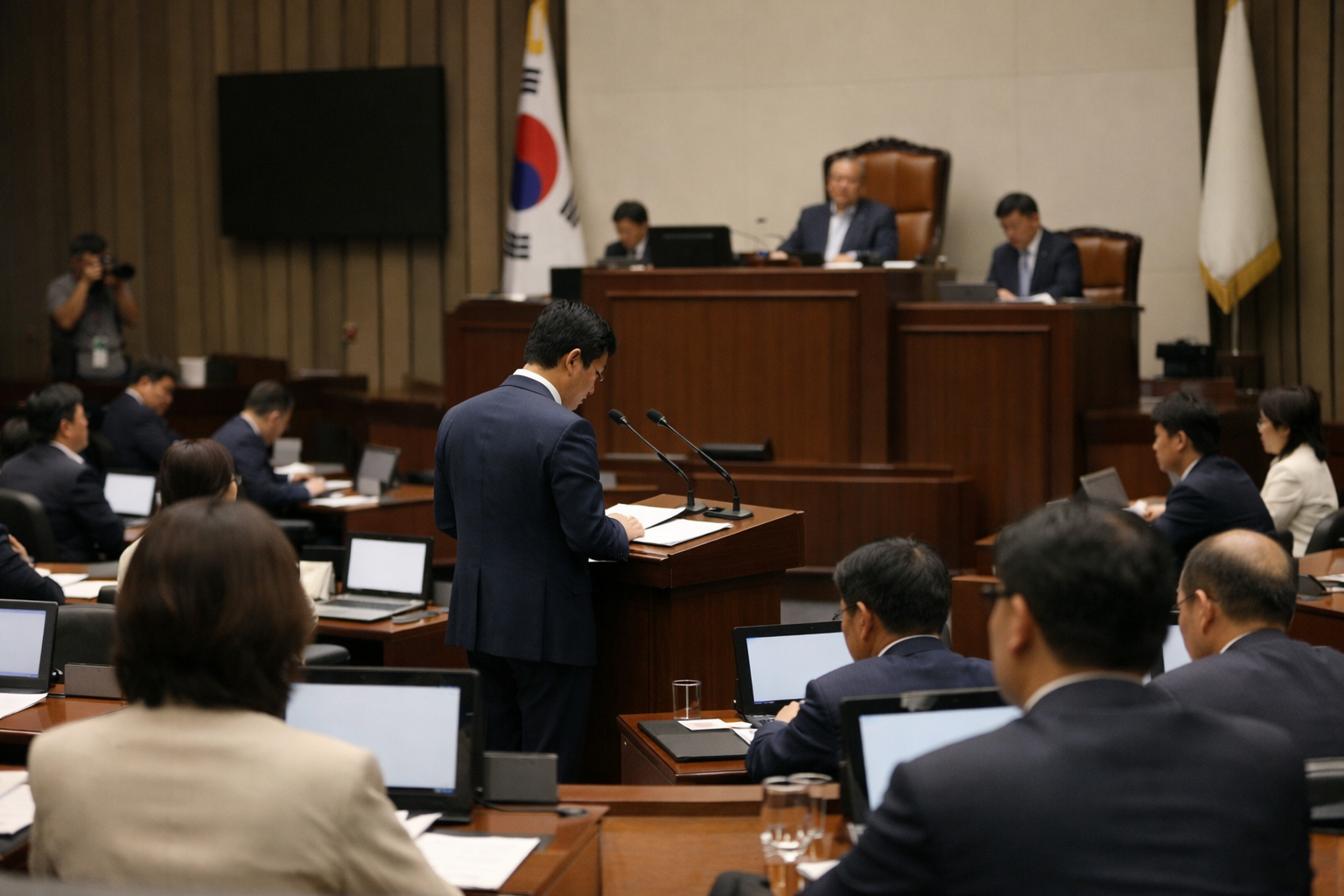
AI-Generated Photorealistic Image — All people, scenes, and details in this image are entirely AI-generated and fictional. Not a real photograph of an actual person or event. 이 이미지는 AI로 생성된 가상 이미지입니다.

Leave a Reply