Table of Contents
August Extraordinary Session Opens Amid Rising Tensions
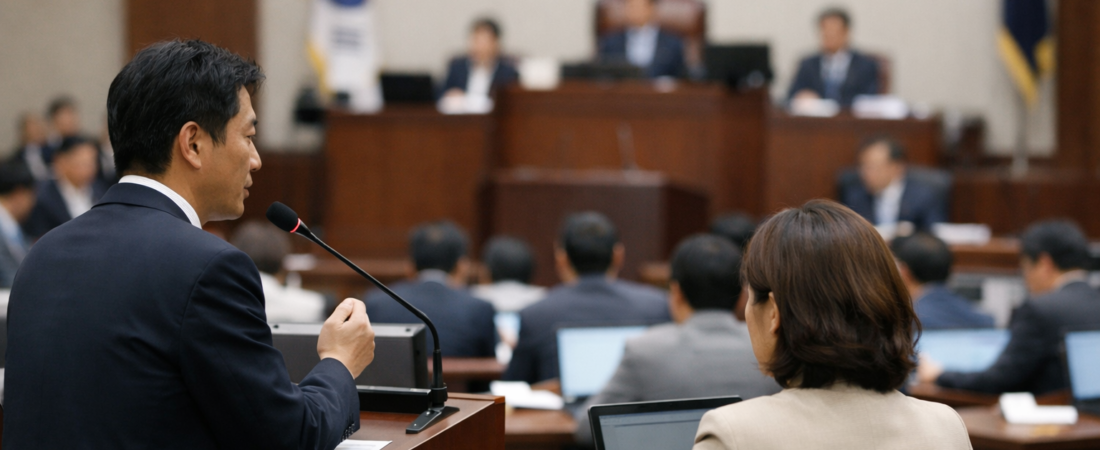
Right now in Korea, lawmakers are bracing for another round of political combat. As of this week, the August Extraordinary Session of the National Assembly has already opened, two weeks ahead of its usual schedule. Why the rush? Because both parties know this session could reshape how Korea’s legislature actually works.
Under National Assembly law, the August Extraordinary Session normally convenes automatically on August 16. But the People Power Party pushed to start it on August 2 instead, and their request was granted. That earlier start already signals how tense this month will be.
The ruling Democratic Party of Korea wants to finish its policy legislation agenda by year’s end. To do that, it needs to speed up how bills move through the chamber, and it’s targeting changes to National Assembly procedure first. The People Power Party, unsurprisingly, is vowing to block that effort at every turn.
Three flashpoints define this August Extraordinary Session: a bill to shorten fast-track bill review periods, unresolved questions around the National Election Commission special prosecutor law, and a bitter dispute over a vote recount in Songpa-gu. Each one touches a different piece of Korea’s democratic machinery. Together, they explain why this particular session matters far more than routine legislative business usually does.
Here’s the twist, though. Even with the early start, real floor action likely won’t happen until mid-August. Why? Because it’s peak vacation season, and the Democratic Party is simultaneously running its August 17 national convention to elect a new party leader.
Weekend regional primaries are pulling lawmakers’ attention toward that tight leadership race. Democratic Party insiders now expect the first real plenary session around August 13, once the convention politics settle down. That timing gap gives both sides a strange kind of breathing room before the real fight begins.
The Fast-Track Law Fight Takes Center Stage
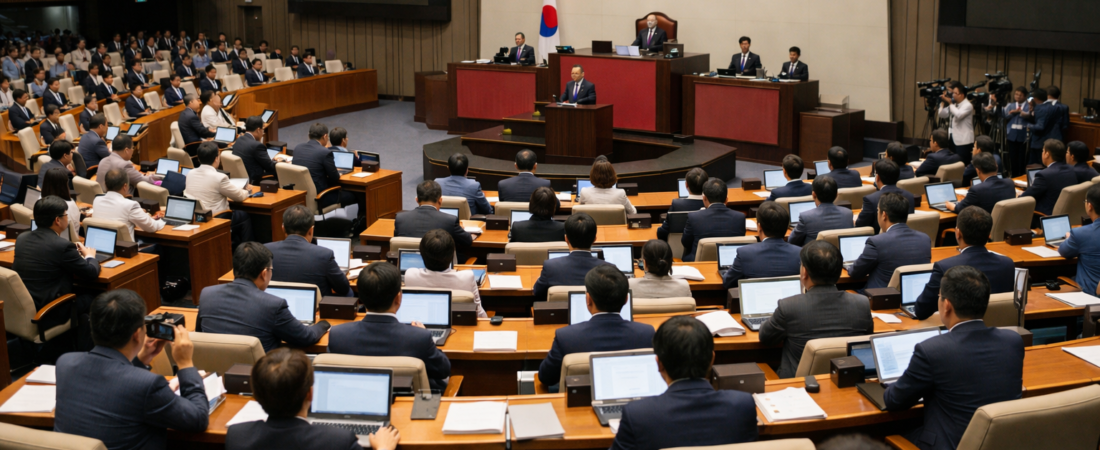
Let’s start with the most technical, but most consequential, piece of this puzzle. A bill to shorten the fast-track review period was already placed on the agenda during the final plenary session of the July Extraordinary Session. It’s expected to be the first item processed once this August Extraordinary Session gets moving.
What does this bill actually do? It would cut the maximum fast-track processing time from 330 days down to just 90 days. That’s a massive change in how quickly contested legislation can clear the National Assembly.
The People Power Party responded with a filibuster, Korea’s version of an extended floor speech meant to delay a vote. But when the July session ended, the filibuster automatically stopped too. That left the bill sitting in an unusual limbo, with only a final vote remaining once August business resumes.
The Democratic Party isn’t stopping there. It’s also pushing a separate bill to tighten filibuster rules themselves, lowering the threshold to end a filibuster from one-third of lawmakers down to one-fifth. That proposal already cleared the National Assembly’s Steering Committee on July 27 and moved into subcommittee review.
Why does the Democratic Party feel this is necessary? Because the People Power Party has signaled it will filibuster nearly every bill headed to the floor, including basic livelihood legislation with little partisan controversy. From the ruling party’s view, that blanket obstruction makes procedural reform unavoidable if any governing agenda is going to move.
You might ask: isn’t the filibuster supposed to protect minority voices? That’s exactly the tension at the heart of this debate. Shortening timelines helps a government implement its agenda faster, but it also narrows the tools an opposition party has to slow things down and demand compromise.
For readers unfamiliar with Korea’s legislative rhythm, this August Extraordinary Session essentially previews a broader power struggle. Whoever controls procedure controls the pace of governing. That’s precisely why both parties are fighting so hard over what looks, on paper, like a technical rule change.
Election Commission Special Prosecutor Sparks New Disputes
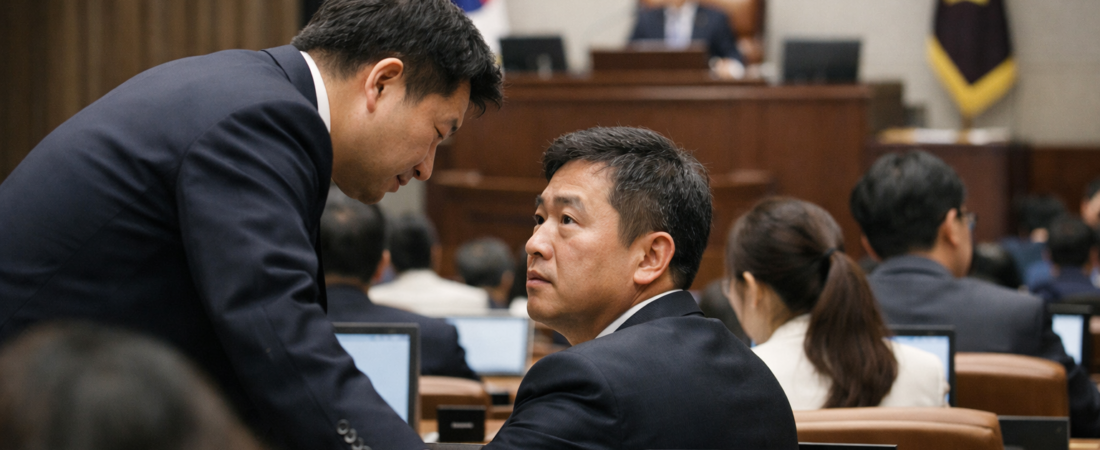
Beyond fast-track rules, the second major battleground involves Korea’s National Election Commission. On July 30, both parties actually agreed to pass a special prosecutor bill targeting the commission. You’d think agreement would mean smooth sailing from here, right?
Not quite. The bill requires a National Recommendation Committee to nominate two special prosecutor candidates for the president to choose from. But that committee itself needs three appointees from each party, and disagreements over how it operates were already brewing before the ink dried on the bill.
The scope of the investigation is another flashpoint. The Democratic Party insists the special prosecutor’s mandate covers only the June 3 local elections. The People Power Party disagrees, arguing the probe should extend further back, potentially reaching last year’s presidential election and other past votes.
Why does this distinction matter so much? Because a narrow investigation limits political fallout to recent local races, while a broader one could reopen scrutiny of Korea’s highest-stakes national election. Neither party wants to concede ground on a question with such high political stakes attached.
You can find more background on Korea’s electoral oversight structure through SBS News, which has tracked this dispute closely. Readers outside Korea might wonder why an election commission needs its own special prosecutor at all. The short answer: public trust in vote administration became a genuine flashpoint after irregularities were alleged in recent local contests, and that distrust is now driving this entire legislative fight.
This dispute isn’t just bureaucratic noise. It cuts to a deeper question about how much authority any single party should hold over investigating the very institution that runs Korean elections. That’s a question democracies everywhere eventually have to answer.
Songpa-gu Recount and What Comes Next
The third flashpoint centers on a single ballot counting station in Songpa-gu, a district in southeastern Seoul. The National Assembly’s special investigative committee extended its activity period specifically to deal with this recount question. But even the basic logistics remain contested.
The Democratic Party wants the recount conducted by August 18, run directly through the investigative committee. The People Power Party disagrees entirely, insisting the recount must happen under the observation of the newly created National Election Commission special prosecutor, with the schedule adjusted around that requirement if needed.
Why can’t both sides just compromise on timing? Because the recount method itself carries symbolic weight. Whoever oversees the count effectively controls the narrative around its legitimacy, and neither party wants to hand that credibility to the other’s preferred process.
So where does all this leave the August Extraordinary Session as a whole? Expect a full month of procedural maneuvering, filibuster threats, and public statements designed as much for voters as for each other. The first real plenary vote, likely around August 13, will set the tone for everything that follows.
For readers outside Korea, this might look like ordinary partisan gridlock you’d find in any democracy. But the details matter here. Fast-track reform touches how quickly any future government can legislate, election oversight touches public trust in democracy itself, and recount disputes touch the basic credibility of vote counting.
Those three threads, all converging in a single legislative session, explain why so many Koreans are watching the National Assembly this month. What happens in this August Extraordinary Session could shape legislative norms for years beyond 2026. Do you think procedural rule changes like these strengthen democratic governance, or do they risk sidelining minority voices in the name of efficiency?
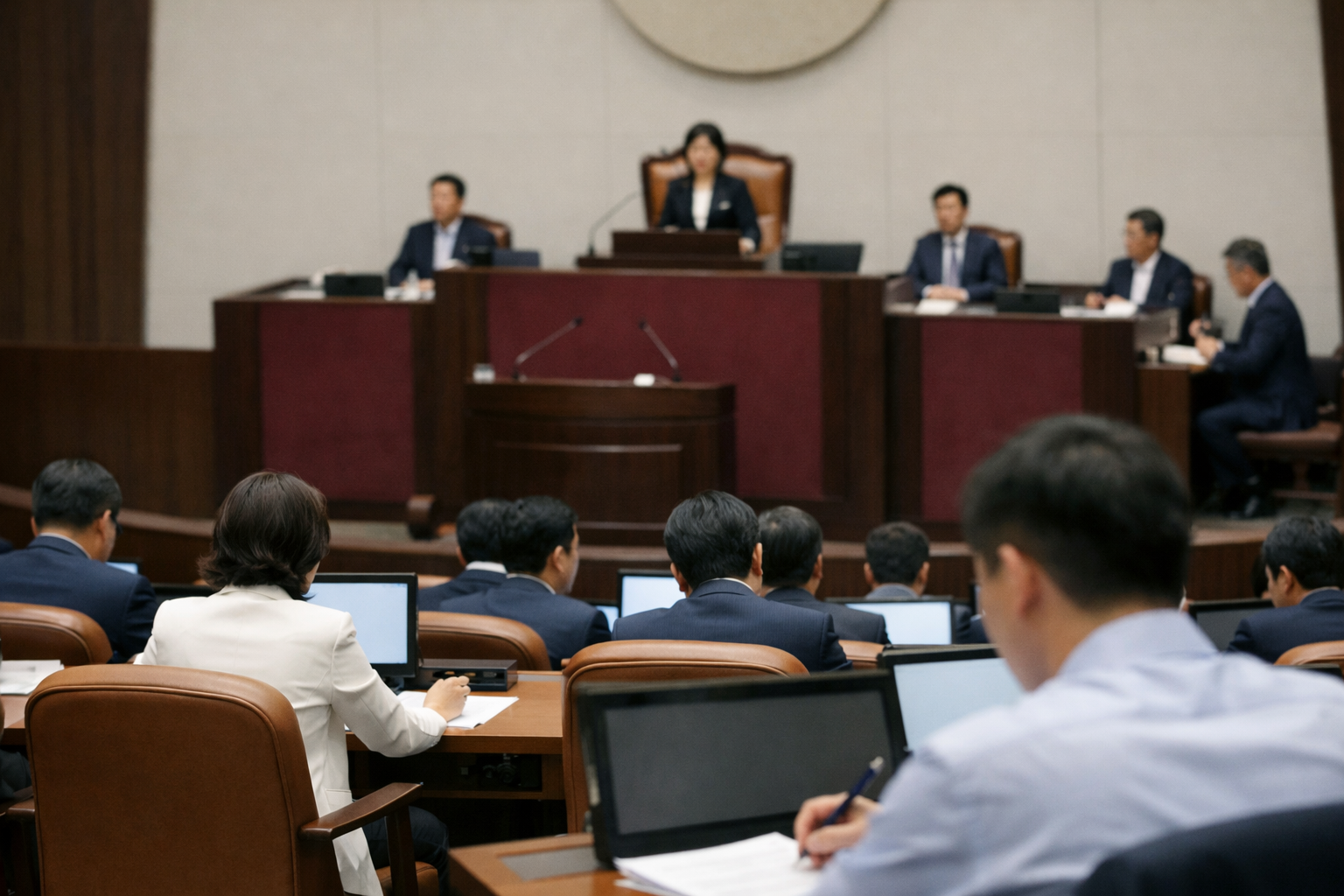
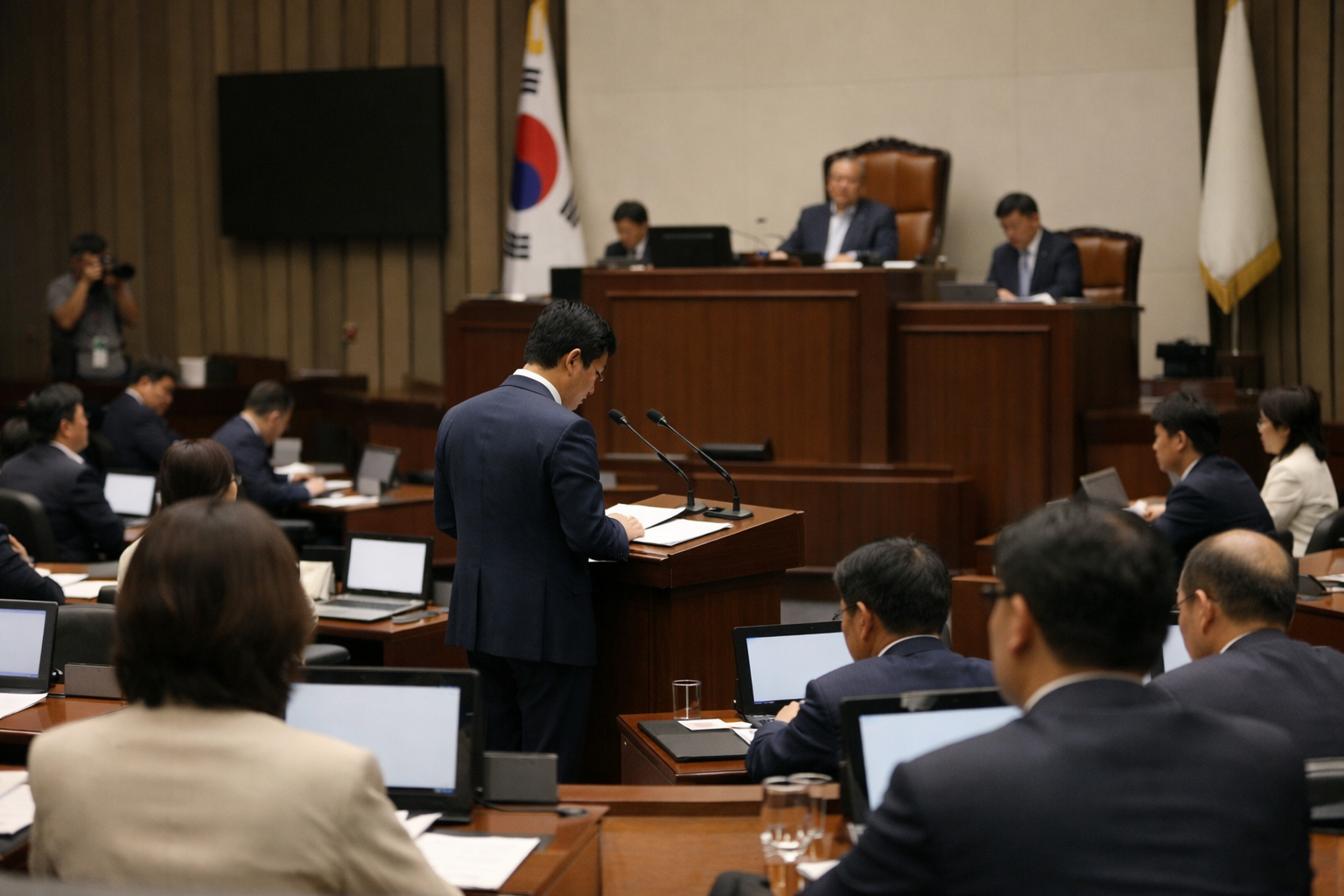
AI-Generated Photorealistic Image — All people, scenes, and details in this image are entirely AI-generated and fictional. Not a real photograph of an actual person or event. 이 이미지는 AI로 생성된 가상 이미지입니다.
Leave a Reply