
Table of Contents
Right now in Korea, one law is dominating every political conversation. The National Assembly just passed a sweeping Criminal Procedure Act amendment that strips prosecutors of their investigative power entirely. Do you know what happens when a country rewrites 72 years of legal tradition in a single overnight vote?
This week, that question stopped being hypothetical. Lawmakers pushed through the change after breaking a filibuster in just 24 hours. Supporters call it a historic turning point. Critics call it a betrayal of public opinion.
Criminal Procedure Act Amendment: What Just Passed the National Assembly
On July 30, the ruling coalition brought the Criminal Procedure Act amendment to the National Assembly floor. Opposition lawmakers from the People Power Party launched a filibuster to block it. But the ruling bloc forced a vote after just one day, cutting the delay tactic short.
The final tally was decisive: 175 in favor, 2 opposed, and 1 abstention out of 178 present. That is not a close call. That is a near-unanimous statement from the ruling side of the aisle.
Notably, not every Democratic Party of Korea member fell in line. Kwak Sang-eon voted against the bill, and Lee So-young abstained. Both had raised concerns about the risks of eliminating supplementary investigation powers completely, showing that even within the ruling camp, this amendment did not sail through without internal debate.
72 Years in the Making: The History Behind This Vote
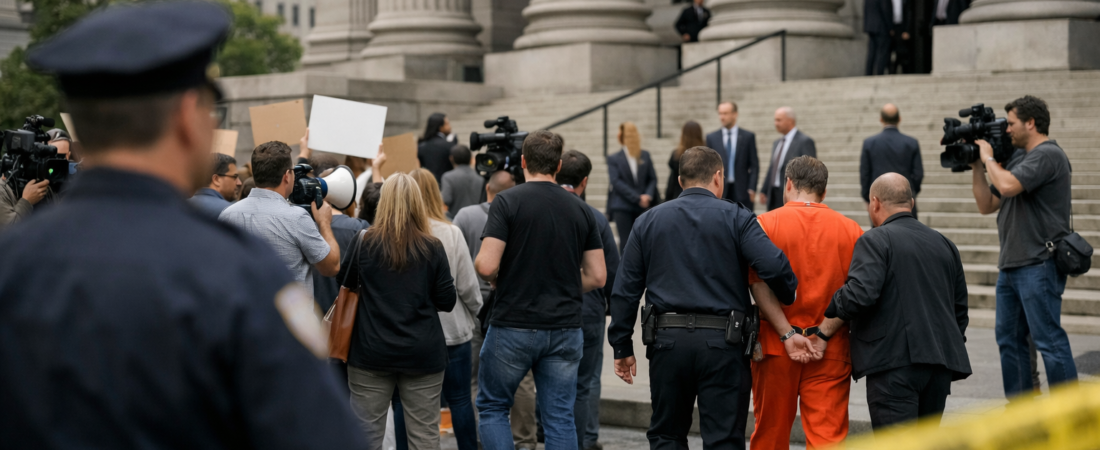
Korea’s Criminal Procedure Act dates back to 1945. Since then, prosecutors have held direct investigative authority alongside their power to prosecute. That dual role has defined Korean criminal justice for generations.
Why does this history matter? Because prosecutors here have long functioned differently from their counterparts in many Western democracies. In the United States or the United Kingdom, police typically investigate and prosecutors mainly decide whether to charge. Korea’s system blurred that line, giving prosecutors enormous influence over both stages.
That structure became a major political flashpoint over the past decade. Reformers argued concentrated power in prosecutors’ hands invited abuse and reduced accountability. This new Criminal Procedure Act amendment removes prosecutorial investigative power entirely and eliminates supplementary investigation authority too, leaving police with only a request-based system for asking prosecutors to review additional evidence.
Courts also gained a new tool under this amendment. Judges can now dismiss a prosecution outright if investigators committed serious illegal conduct or grossly abused their discretion in deciding to charge someone. That is a meaningful shift in checks and balances, one that puts judicial oversight closer to the investigation stage itself rather than only the trial.
Two Parties, Two Realities: The Political Fallout
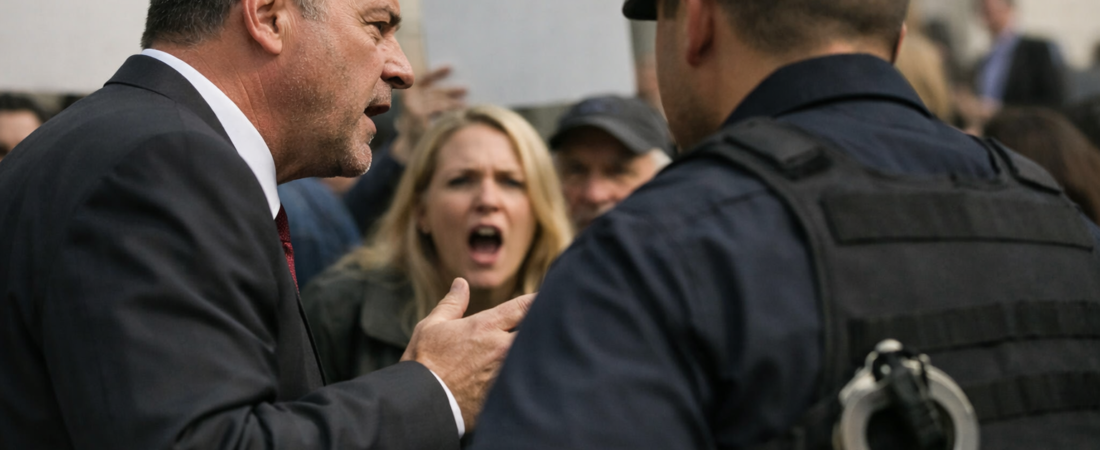
Ask any Democratic Party lawmaker about this bill, and you will hear the word “historic.” Han Byung-do, the party’s floor leader, framed it as separating investigation from prosecution once and for all. He called it a turning point that places prosecutorial power under constitutional and public control.
Ask the People Power Party the same question, and you get a completely different answer. Floor leader Jung Jum-sik argued that a majority of citizens actually opposed eliminating supplementary investigation powers. In his view, the ruling party is moving against public sentiment, not toward it.
The People Power Party is not stopping at floor speeches. The party is now pushing the president to exercise a veto and has signaled plans to file a constitutional appeal challenging the law. That sets up a potential collision between the legislature, the executive, and the Constitutional Court in the weeks ahead.
Meanwhile, the presidential office offered a more measured response. It said it “respects the National Assembly’s final decision” and suggested that separating investigation from prosecution would prevent the concentration of power while strengthening protections for victims and citizens. That is a notably softer tone than either party used, and it leaves open the question of whether a veto is actually likely.
For readers following Korea’s political landscape from abroad, this kind of institutional power struggle is worth watching closely. You can track ongoing developments through outlets like SBS News, which has covered the vote and its aftermath in detail.
What Comes Next for Korea’s Justice System
This fight over the Criminal Procedure Act amendment is not the only procedural battle happening in the National Assembly right now. A related National Assembly Act amendment was also introduced during the same session. It would shorten the review period for fast-track bills from as long as 330 days down to just 90 days.
The People Power Party filibustered that bill too, but the extraordinary session for July ended at midnight, cutting the filibuster short automatically. Expect the ruling party to push this fast-track bill through at the very first plenary session of the August extraordinary session. If that happens, future contested legislation could move through the Assembly much faster than it does today.
So what does all this mean for you, even if you live far from Seoul? Korea’s balance of power between prosecutors, police, courts, and lawmakers shapes how citizens experience justice, how corruption cases get handled, and how much trust the public places in state institutions. When a democracy this size rewrites 72 years of legal structure in one legislative session, it offers a real-time case study in how fast institutional change can move when one side controls the votes.
Whether you see this as an overdue reform or a rushed overreach may depend on which side of Korea’s political divide you’re standing on. But the underlying question is universal: how much investigative power should belong to prosecutors, and who should watch the watchers? What do you think about Korea’s decision to strip prosecutors of their investigative authority after seven decades?
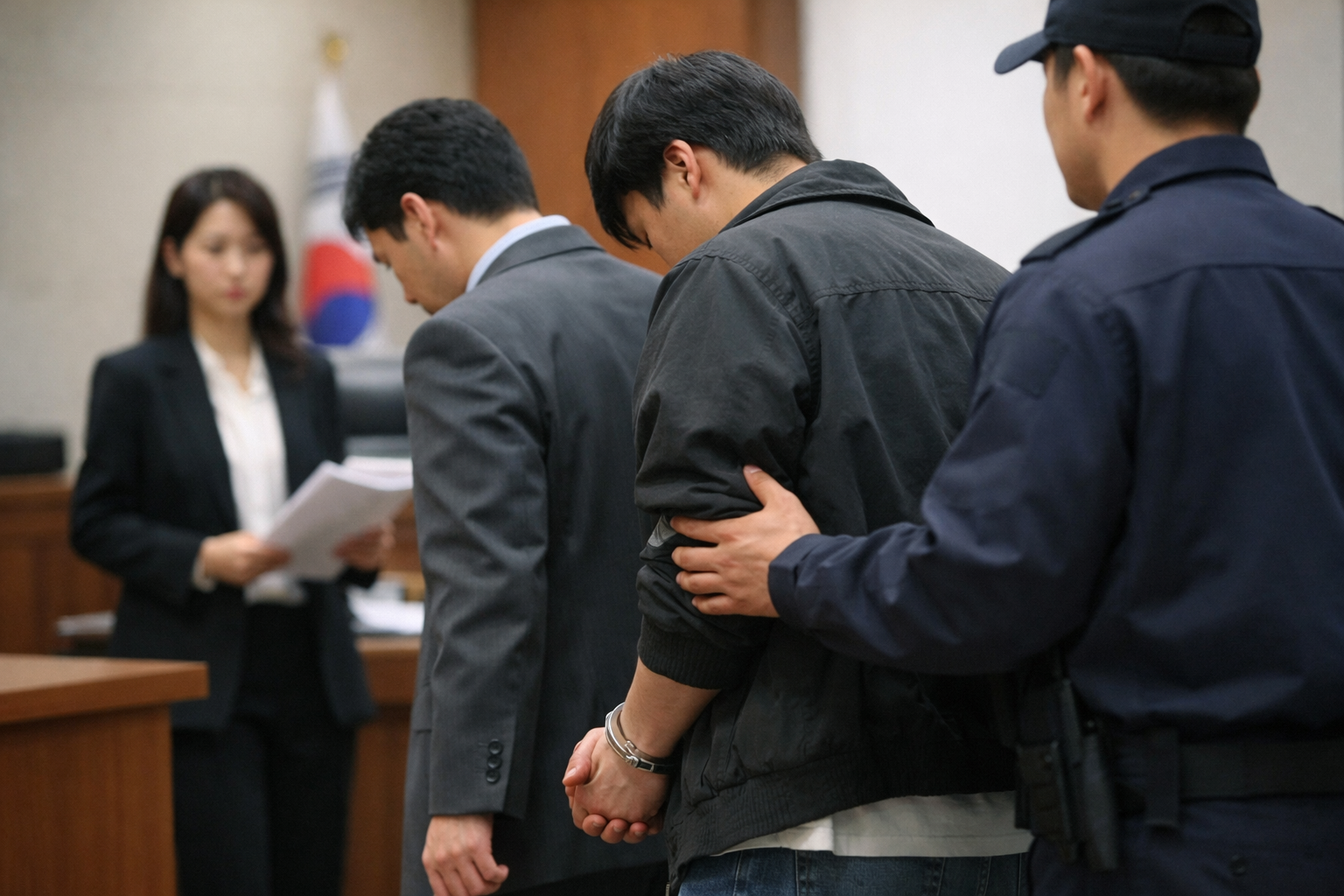
AI-Generated Photorealistic Image — All people, scenes, and details in this image are entirely AI-generated and fictional. Not a real photograph of an actual person or event. 이 이미지는 AI로 생성된 가상 이미지입니다.

Leave a Reply